In real estate development, few decisions carry more weight than land acquisition. Long before architectural concepts are drawn, contractors are appointed, or marketing campaigns are launched, developers face a choice that defines the entire lifecycle of a project: where to build.
Traditionally, land is evaluated through a familiar set of criteria, location, zoning, accessibility, infrastructure, acquisition cost, and projected returns. While essential, these inputs alone do not confirm whether a site will remain relevant when a project finally reaches the market years later.
The most forward-thinking developers therefore begin with a more strategic question:
Who will want to be here in five years?
This question shifts the focus from present conditions to future demand. It requires developers to interpret not only what a location is today, but what it is becoming.
In real estate, this distinction is critical. Development is not a response to the present, it is a commitment to the future.
Traditionally, land is evaluated through a familiar set of criteria, location, zoning, accessibility, infrastructure, acquisition cost, and projected returns. While essential, these inputs alone do not confirm whether a site will remain relevant when a project finally reaches the market years later.
The most forward-thinking developers therefore begin with a more strategic question:
Who will want to be here in five years?
This question shifts the focus from present conditions to future demand. It requires developers to interpret not only what a location is today, but what it is becoming.
In real estate, this distinction is critical. Development is not a response to the present, it is a commitment to the future.
Developing for tomorrow, not today
Unlike many industries, real estate operates on extended timelines. From acquisition to completion, large-scale projects often take several years. During this period, cities evolve, infrastructure expands, and demographic patterns shift.
As a result, developers are not building for current demand. They are building for future demand.
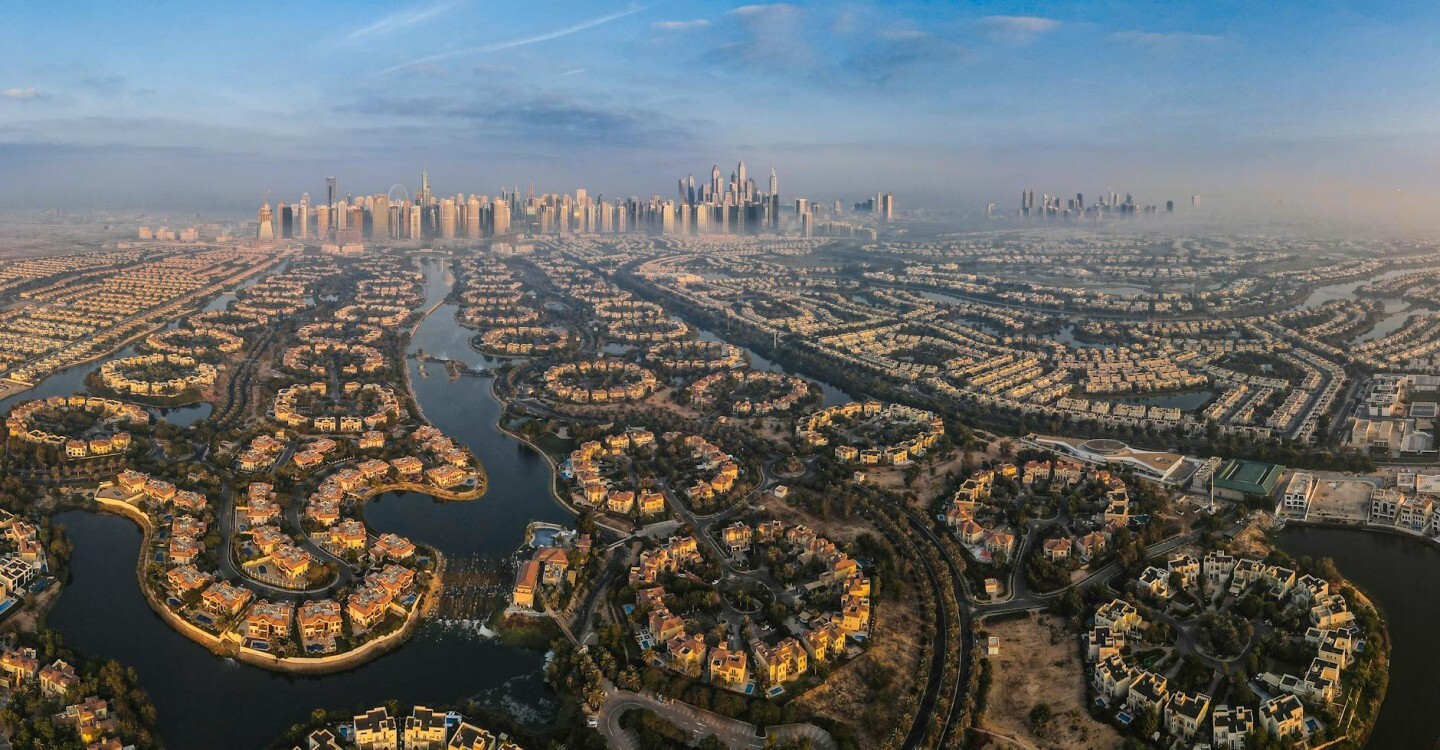
Dubai illustrates this clearly. Districts such as Dubai Marina, Business Bay, Dubai Creek Harbour, and Dubai South were not always established destinations. Their growth was shaped by long-term planning, infrastructure investment, and economic diversification strategies.
Developers who recognized this early were not reacting to existing demand, they were anticipating it. This ability to align with future urban direction is what separates reactive development from strategic land acquisition.
As a result, developers are not building for current demand. They are building for future demand.
Dubai illustrates this clearly. Districts such as Dubai Marina, Business Bay, Dubai Creek Harbour, and Dubai South were not always established destinations. Their growth was shaped by long-term planning, infrastructure investment, and economic diversification strategies.
Developers who recognized this early were not reacting to existing demand, they were anticipating it. This ability to align with future urban direction is what separates reactive development from strategic land acquisition.
Demographics define demand
Every development ultimately serves people. Understanding who your audience will be is essential to evaluating land correctly.
Population growth alone is not enough. The key lies in composition, who is moving into a city and why.
In Dubai, for example, continued population growth is driven by a diverse mix of professionals, entrepreneurs, investors, and families. Each group has distinct housing expectations. Young professionals may prioritize connectivity and convenience, while families value schools, space, and community infrastructure.
This diversity has led to equally diverse development typologies, from branded residences and waterfront apartments to integrated family communities.
For developers, the question becomes: does this site align with the lifestyle of future residents?
Population growth alone is not enough. The key lies in composition, who is moving into a city and why.
In Dubai, for example, continued population growth is driven by a diverse mix of professionals, entrepreneurs, investors, and families. Each group has distinct housing expectations. Young professionals may prioritize connectivity and convenience, while families value schools, space, and community infrastructure.
This diversity has led to equally diverse development typologies, from branded residences and waterfront apartments to integrated family communities.
For developers, the question becomes: does this site align with the lifestyle of future residents?
Infrastructure as a value multiplier
Infrastructure remains one of the strongest drivers of long-term real estate value.
Transport networks, metro expansions, road systems, airports, and civic amenities consistently reshape how cities function. Improved connectivity can transform peripheral areas into central lifestyle hubs over time.
In Dubai, ongoing infrastructure expansion has repeatedly redefined accessibility and demand patterns. Areas once considered distant have become integrated into the urban core through improved road networks and planned transit systems.
For land acquisition, this means evaluating not only what exists today, but what is planned for tomorrow. Government masterplans, transportation projects, and urban development strategies often signal where future value will concentrate.
Transport networks, metro expansions, road systems, airports, and civic amenities consistently reshape how cities function. Improved connectivity can transform peripheral areas into central lifestyle hubs over time.
In Dubai, ongoing infrastructure expansion has repeatedly redefined accessibility and demand patterns. Areas once considered distant have become integrated into the urban core through improved road networks and planned transit systems.
For land acquisition, this means evaluating not only what exists today, but what is planned for tomorrow. Government masterplans, transportation projects, and urban development strategies often signal where future value will concentrate.
Employment hubs shape residential success
People generally choose to live near opportunity. As cities grow, employment clusters become powerful anchors for real estate demand.
Business districts, logistics corridors, tourism zones, and innovation hubs all generate consistent demand for nearby residential and mixed-use developments.
In Dubai’s evolving economy, spanning finance, technology, logistics, tourism, and trade, new employment centres continue to emerge across the city. Each creates ripple effects in surrounding real estate markets.
For developers, understanding where jobs are being created is just as important as understanding where land is available.
Business districts, logistics corridors, tourism zones, and innovation hubs all generate consistent demand for nearby residential and mixed-use developments.
In Dubai’s evolving economy, spanning finance, technology, logistics, tourism, and trade, new employment centres continue to emerge across the city. Each creates ripple effects in surrounding real estate markets.
For developers, understanding where jobs are being created is just as important as understanding where land is available.
Lifestyle expectations are evolving
Modern buyers no longer evaluate property based solely on physical specifications. Lifestyle has become a central factor in decision-making.
Walkability, wellness, sustainability, green spaces, community design, and access to leisure amenities now play a significant role in shaping demand.
This shift has changed how developers evaluate land. A site that can support integrated, experience-driven living may hold greater long-term value than one suited only for isolated development.
The strongest projects are those that reflect how people want to live, not just where they can live.
Walkability, wellness, sustainability, green spaces, community design, and access to leisure amenities now play a significant role in shaping demand.
This shift has changed how developers evaluate land. A site that can support integrated, experience-driven living may hold greater long-term value than one suited only for isolated development.
The strongest projects are those that reflect how people want to live, not just where they can live.
The risk of focusing on price alone
One of the most common mistakes in land acquisition is overemphasizing price.
Low-cost land may appear attractive, but without strong demand drivers, it can lead to slower absorption, weaker performance, or limited long-term value creation.
Conversely, land in a high-growth corridor may justify a higher entry cost because of stronger future fundamentals.
Successful developers therefore evaluate land based on potential value creation rather than initial price alone.
Low-cost land may appear attractive, but without strong demand drivers, it can lead to slower absorption, weaker performance, or limited long-term value creation.
Conversely, land in a high-growth corridor may justify a higher entry cost because of stronger future fundamentals.
Successful developers therefore evaluate land based on potential value creation rather than initial price alone.
From land-first to demand-first thinking
Modern development strategy is increasingly shifting from land-first to demand-first thinking.
Instead of asking what can be built on available land, leading developers begin by identifying unmet demand and then seek land that best supports it.
This approach typically includes:
This structured approach reduces speculation and improves alignment between product and market.
Instead of asking what can be built on available land, leading developers begin by identifying unmet demand and then seek land that best supports it.
This approach typically includes:
- Understanding target audiences before acquisition
- Studying macroeconomic and demographic trends
- Evaluating infrastructure and government planning
- Identifying gaps in current supply
- Matching land to long-term demand opportunities
This structured approach reduces speculation and improves alignment between product and market.
The question that defines success
Every development begins with a piece of land, but not every piece of land becomes a successful development.
The difference often lies in the quality of the initial question.
Before evaluating density, returns, or design potential, developers should first understand the future role of the site.
Because ultimately, the most important question is not:
How much can we build here?
But rather:
Who will want to be here in five years?
The answer determines not only what is built, but whether it remains relevant long after completion.
In the UAE, cities are always evolving through infrastructure, investment, and population growth, making this question even more important.
Successful development is no longer about reacting to opportunity, it is about positioning for the future before it becomes visible.
The difference often lies in the quality of the initial question.
Before evaluating density, returns, or design potential, developers should first understand the future role of the site.
Because ultimately, the most important question is not:
How much can we build here?
But rather:
Who will want to be here in five years?
The answer determines not only what is built, but whether it remains relevant long after completion.
In the UAE, cities are always evolving through infrastructure, investment, and population growth, making this question even more important.
Successful development is no longer about reacting to opportunity, it is about positioning for the future before it becomes visible.