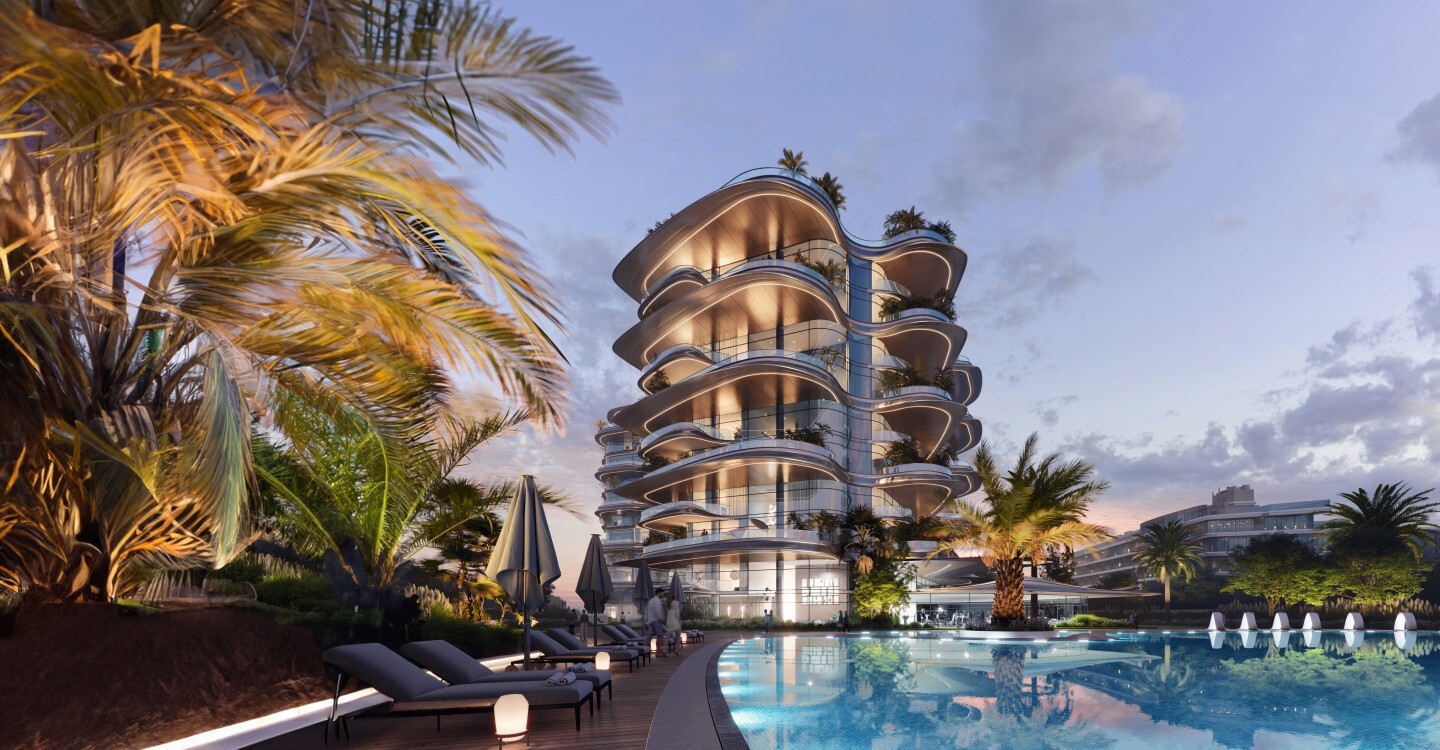
Luxury in real estate has never been static. It shifts with culture, with wealth patterns, and perhaps most importantly, with taste maturing over time. Across the UAE, particularly in Dubai, one of the most noticeable changes in recent years is not an increase in opulence, but a quiet withdrawal from it.
Where once luxury developments leaned heavily on grandeur, ornamentation, and visual excess, there is now a clear movement toward restraint. The most compelling projects today are often the least loud. They speak less in spectacle and more in detail, proportion, materiality, and experience.
This is not a reduction of luxury. It is a redefinition of it.
Where once luxury developments leaned heavily on grandeur, ornamentation, and visual excess, there is now a clear movement toward restraint. The most compelling projects today are often the least loud. They speak less in spectacle and more in detail, proportion, materiality, and experience.
This is not a reduction of luxury. It is a redefinition of it.
The shift from visibility to experience
For years, luxury real estate in markets such as Dubai was closely tied to visibility. Architectural statements were designed to be seen from a distance, not necessarily lived from within.
Today, that definition has expanded far beyond legacy districts. Newer masterplans such as Dubai Creek Harbour are redefining waterfront living through scale and calm rather than spectacle, while Dubai Islands is positioning itself as a next-generation coastal district built around distributed density and long-term spatial balance.
Meanwhile, Mohammed Bin Rashid City has emerged as one of the most important luxury growth corridors in the city, where branded residences and villa communities are shaping a more understated form of exclusivity. Even in more established but evolving zones like Dubai Hills Estate, the architectural language is increasingly defined by proportion, landscape integration, and lived experience rather than statement façades.
Increasingly, buyers are asking not how a building reads from afar, but how it behaves at human scale.
Luxury is becoming less performative and more personal.
Today, that definition has expanded far beyond legacy districts. Newer masterplans such as Dubai Creek Harbour are redefining waterfront living through scale and calm rather than spectacle, while Dubai Islands is positioning itself as a next-generation coastal district built around distributed density and long-term spatial balance.
Meanwhile, Mohammed Bin Rashid City has emerged as one of the most important luxury growth corridors in the city, where branded residences and villa communities are shaping a more understated form of exclusivity. Even in more established but evolving zones like Dubai Hills Estate, the architectural language is increasingly defined by proportion, landscape integration, and lived experience rather than statement façades.
Increasingly, buyers are asking not how a building reads from afar, but how it behaves at human scale.
Luxury is becoming less performative and more personal.
The exhaustion of excess
One of the less discussed reasons behind this shift is aesthetic fatigue. Globally mobile high-net-worth individuals are no longer impressed by excess alone. After repeated exposure to gold-heavy interiors, oversized lobbies, and maximalist detailing across global markets, visual impact alone has lost its power.
In response, restraint has become a new form of distinction.
In Dubai, this is particularly visible in infrastructure-led expansions such as Dubai South, where planning is rooted in function, connectivity, and long-term livability rather than ornamental competition. Similarly, large-scale coastal visions like Palm Jebel Ali reflect a different interpretation of luxury, one defined by space, privacy, and environmental integration rather than visual density.
Luxury is no longer about how much is added, but how intentionally things are removed.
In response, restraint has become a new form of distinction.
In Dubai, this is particularly visible in infrastructure-led expansions such as Dubai South, where planning is rooted in function, connectivity, and long-term livability rather than ornamental competition. Similarly, large-scale coastal visions like Palm Jebel Ali reflect a different interpretation of luxury, one defined by space, privacy, and environmental integration rather than visual density.
Luxury is no longer about how much is added, but how intentionally things are removed.
Global design influence: the rise of quiet architecture
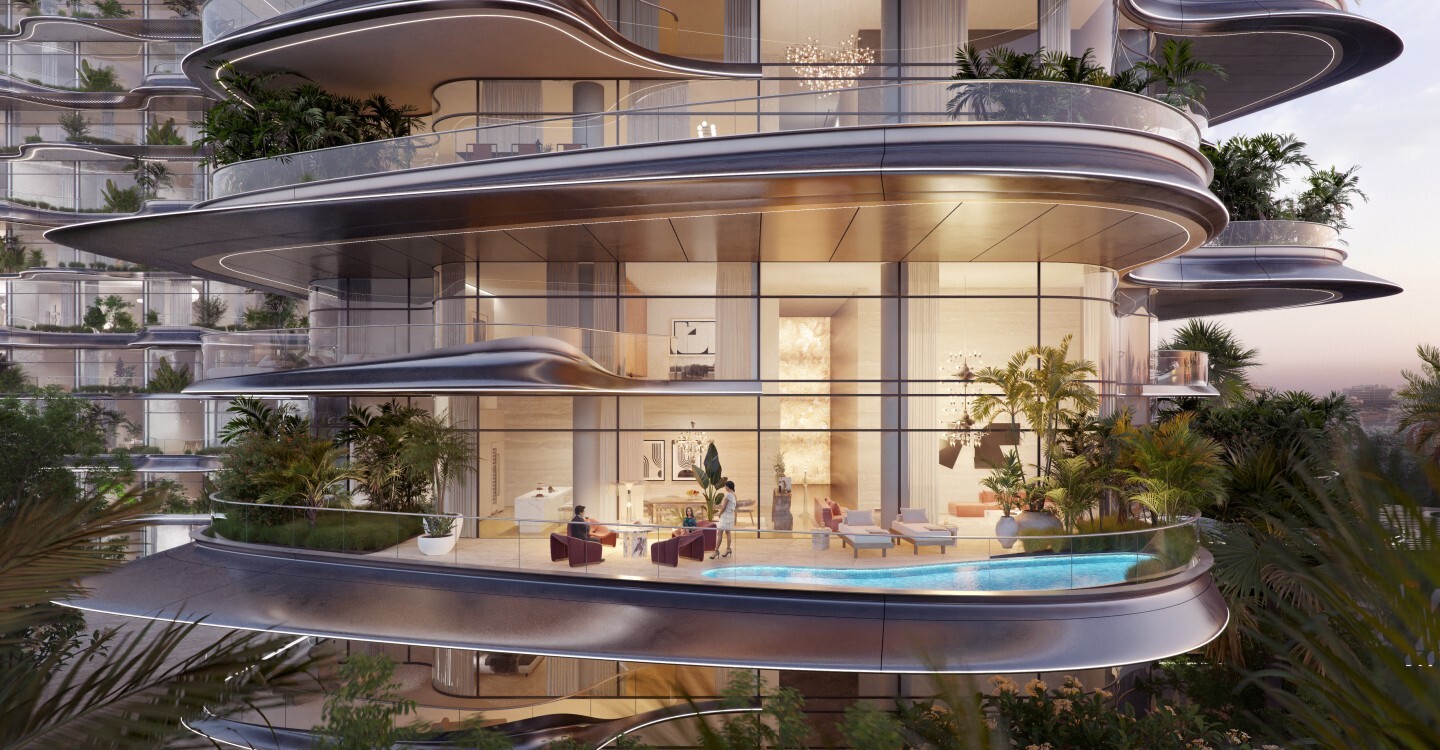
This movement is not isolated to the UAE. It is part of a broader global design evolution influenced by Scandinavian minimalism, Japanese spatial philosophy, and wellness-driven architecture.
Even lifestyle-driven waterfront districts such as Bluewaters Island reflect this shift, where walkability, controlled scale, and spatial rhythm matter as much as skyline views.
And in highly established coastal icons like Palm Jumeirah, the newer wave of development is increasingly defined by material restraint, natural textures, and interior calm rather than external grandeur.
This is luxury designed not to impress at first glance, but to endure over time.
Even lifestyle-driven waterfront districts such as Bluewaters Island reflect this shift, where walkability, controlled scale, and spatial rhythm matter as much as skyline views.
And in highly established coastal icons like Palm Jumeirah, the newer wave of development is increasingly defined by material restraint, natural textures, and interior calm rather than external grandeur.
This is luxury designed not to impress at first glance, but to endure over time.
Regulation, sustainability, and the end of unnecessary excess
Another important driver is the growing influence of sustainability frameworks and building efficiency standards across the UAE. Developers are increasingly required to consider energy performance, material sourcing, and long-term environmental impact.
This naturally discourages excessive, purely decorative elements that add visual complexity but offer little functional value.
In emerging waterfront extensions like Dubai Creek Harbour, façade design is becoming more performance-led, with shading systems integrated into architectural language rather than applied as afterthoughts. Glass usage is more controlled, and massing is shaped as much by climate responsiveness as by aesthetics.
Restraint, in this context, is not aesthetic choice alone. It is architectural responsibility.
This naturally discourages excessive, purely decorative elements that add visual complexity but offer little functional value.
In emerging waterfront extensions like Dubai Creek Harbour, façade design is becoming more performance-led, with shading systems integrated into architectural language rather than applied as afterthoughts. Glass usage is more controlled, and massing is shaped as much by climate responsiveness as by aesthetics.
Restraint, in this context, is not aesthetic choice alone. It is architectural responsibility.
The privacy economy
Luxury buyers today are also far more privacy-conscious than previous generations. Visibility, once a status symbol, is increasingly treated with caution.
This is particularly relevant in master planned enclaves such as Mohammed Bin Rashid City, where residential layouts prioritise controlled sightlines, layered access, and inward-facing spatial design.
Even in culturally and naturally driven destinations like Saadiyat Island in Abu Dhabi, the architectural language reflects a similar shift toward calm permeability, courtyards, shaded thresholds, and private internal landscapes replacing outward display.
Luxury is becoming something you experience fully, not something you broadcast.
This is particularly relevant in master planned enclaves such as Mohammed Bin Rashid City, where residential layouts prioritise controlled sightlines, layered access, and inward-facing spatial design.
Even in culturally and naturally driven destinations like Saadiyat Island in Abu Dhabi, the architectural language reflects a similar shift toward calm permeability, courtyards, shaded thresholds, and private internal landscapes replacing outward display.
Luxury is becoming something you experience fully, not something you broadcast.
Material honesty over decorative noise
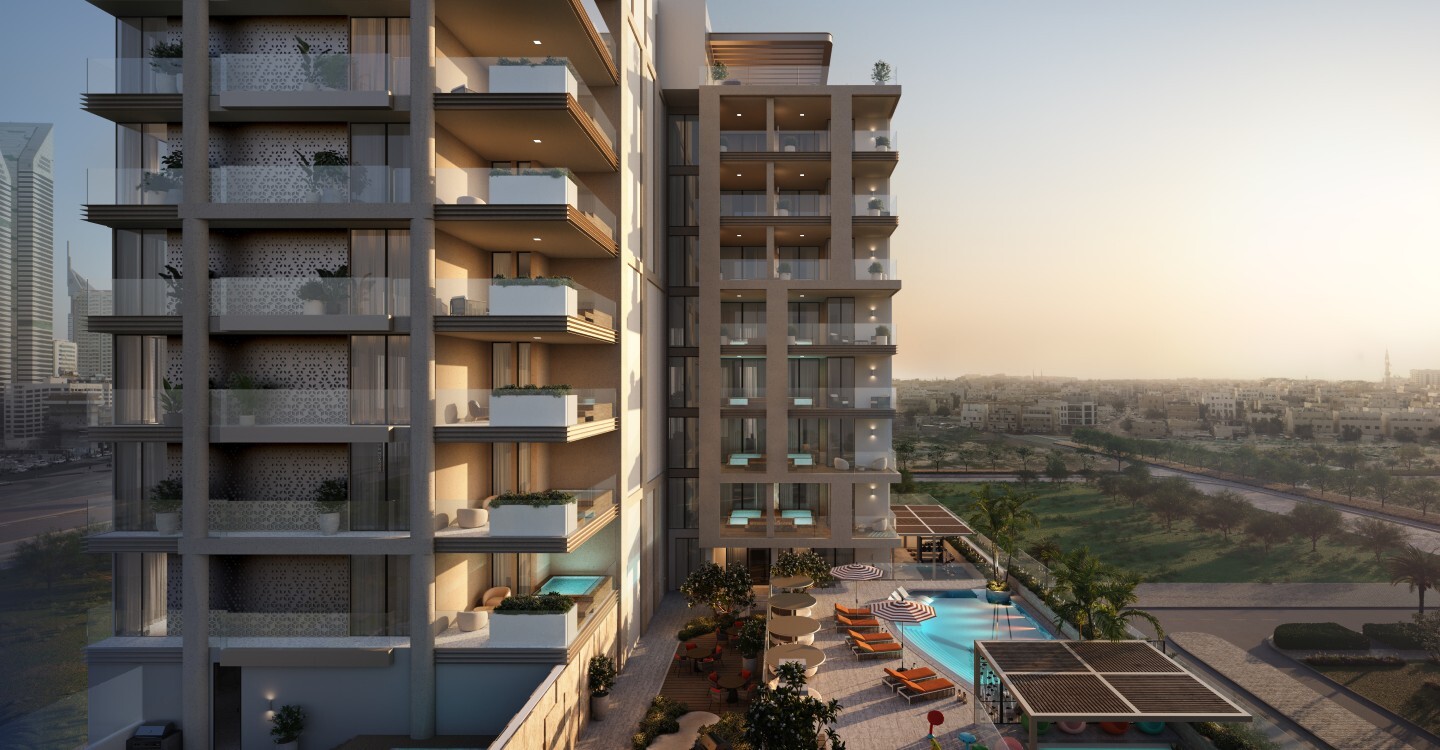
One of the most defining characteristics of this restrained luxury movement is material honesty. Instead of layering finishes to create visual complexity, developers are allowing materials to speak for themselves.
Stone is less polished. Wood is closer to its natural tone. Concrete is sometimes expressed rather than concealed. The goal is not perfection, but authenticity.
This approach is increasingly visible across newer residential concepts in Dubai, where interiors are designed to feel less like staged showrooms and more like curated living environments built for longevity rather than display.
Luxury is no longer about abundance of materials, but about clarity in their selection.
Stone is less polished. Wood is closer to its natural tone. Concrete is sometimes expressed rather than concealed. The goal is not perfection, but authenticity.
This approach is increasingly visible across newer residential concepts in Dubai, where interiors are designed to feel less like staged showrooms and more like curated living environments built for longevity rather than display.
Luxury is no longer about abundance of materials, but about clarity in their selection.
A more mature buyer mindset
At the heart of this transformation is the evolution of the buyer itself. The modern investor or end-user in the UAE is more globally informed, design-literate, and experience-driven than ever before.
For many, luxury is no longer measured by how much is visible, but by how little is necessary. This shift reflects broader lifestyle changes: wellness prioritisation, remote work flexibility, and a growing appreciation for calm environments in fast-paced cities.
As a result, restraint is no longer interpreted as simplicity. It is interpreted as intelligence.
For many, luxury is no longer measured by how much is visible, but by how little is necessary. This shift reflects broader lifestyle changes: wellness prioritisation, remote work flexibility, and a growing appreciation for calm environments in fast-paced cities.
As a result, restraint is no longer interpreted as simplicity. It is interpreted as intelligence.
The future of luxury is intentional
Looking ahead, luxury developments in Dubai and across the UAE are likely to continue refining this language of restraint. The next phase is not about minimalism for its own sake, but about intentionality, where every design decision has a reason beyond aesthetics.
This is where architecture becomes less about expression and more about experience design. Spaces are no longer built to be admired once; they are designed to be lived in deeply, over time, without fatigue.
In this sense, restraint is not a limitation. It is precision.
This is where architecture becomes less about expression and more about experience design. Spaces are no longer built to be admired once; they are designed to be lived in deeply, over time, without fatigue.
In this sense, restraint is not a limitation. It is precision.
The quiet definition of what comes next
Luxury in the region is not becoming less ambitious. It is becoming more thoughtful. It is moving away from loud statements and toward quiet confidence, where value is felt rather than announced.
And in a market as dynamic and competitive as Dubai’s, that quietness may well be the most powerful statement of all.
And in a market as dynamic and competitive as Dubai’s, that quietness may well be the most powerful statement of all.