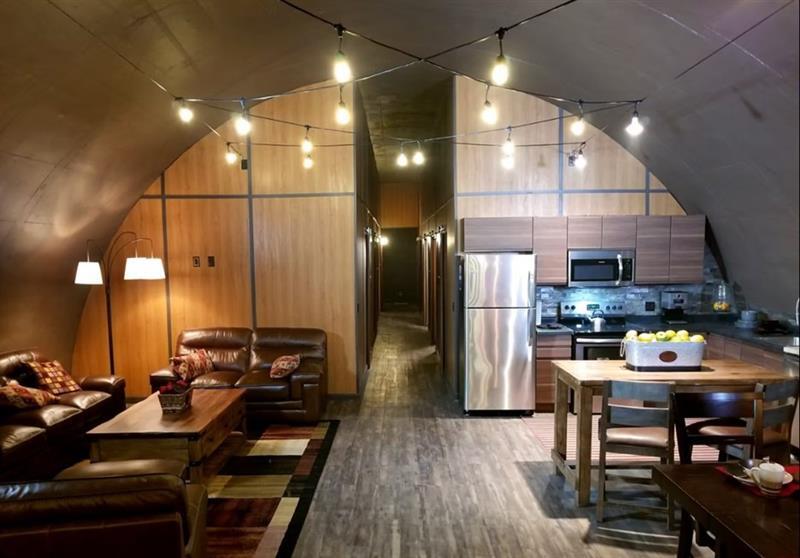
For decades, bunkers were associated with Cold War paranoia; concrete shelters designed to survive nuclear fallout. Today, a new generation of underground shelters has emerged. Built with comfort, technology, and long-term self-sufficiency in mind, modern survival bunkers have evolved into a niche form of luxury real estate.
From converted missile silos to custom-built underground estates, these shelters are designed not just to survive disasters, but to live comfortably through them.
From converted missile silos to custom-built underground estates, these shelters are designed not just to survive disasters, but to live comfortably through them.
The Psychology Behind It
Why are billionaires spending millions on homes they hope to never use?
Part of it is control. The ultra-wealthy are used to dominating their environment, their schedule, their outcomes. A bunker is the ultimate control; insurance against the uncontrollable.
Part of it is exclusivity. Owning a bunker isn't just practical. It's a flex. It says, "I'm prepared for scenarios you haven't even thought about."
And part of it is genuine concern. When you have everything to lose, the idea of losing it becomes unbearable. A bunker offers peace of mind, however irrational that might seem to everyone else.
Part of it is control. The ultra-wealthy are used to dominating their environment, their schedule, their outcomes. A bunker is the ultimate control; insurance against the uncontrollable.
Part of it is exclusivity. Owning a bunker isn't just practical. It's a flex. It says, "I'm prepared for scenarios you haven't even thought about."
And part of it is genuine concern. When you have everything to lose, the idea of losing it becomes unbearable. A bunker offers peace of mind, however irrational that might seem to everyone else.
What's Actually Inside These Bunkers
Forget cold concrete and canned food. Modern luxury bunkers are designed to mimic modern and luxury properties.
Living Spaces: Open floor plans, high ceilings, designer furniture. Some bunkers use floor-to-ceiling LED screens that simulate windows with real-time outdoor views, beaches, forests, cityscapes, so residents don't feel trapped underground.
Kitchens: Years' worth of food, vacuum-sealed and chef-quality. Hydroponic gardens grow fresh vegetables. Some bunkers include fish farms for protein.
Entertainment: Home theaters, gyms, pools, saunas, game rooms. Some include libraries, wine cellars, and art galleries.
Security & Infrastructure: Biometric entry systems, blast-proof doors, independent power grids, advanced air filtration, water purification, backup generators. These systems can sustain residents for years without outside contact.
It's a self-sustaining luxury home that happens to be built to withstand nuclear war, pandemics, or societal collapse.
Living Spaces: Open floor plans, high ceilings, designer furniture. Some bunkers use floor-to-ceiling LED screens that simulate windows with real-time outdoor views, beaches, forests, cityscapes, so residents don't feel trapped underground.
Kitchens: Years' worth of food, vacuum-sealed and chef-quality. Hydroponic gardens grow fresh vegetables. Some bunkers include fish farms for protein.
Entertainment: Home theaters, gyms, pools, saunas, game rooms. Some include libraries, wine cellars, and art galleries.
Security & Infrastructure: Biometric entry systems, blast-proof doors, independent power grids, advanced air filtration, water purification, backup generators. These systems can sustain residents for years without outside contact.
It's a self-sustaining luxury home that happens to be built to withstand nuclear war, pandemics, or societal collapse.
Examples From the Real World
1.Survival Condo Project - Kansas, USA
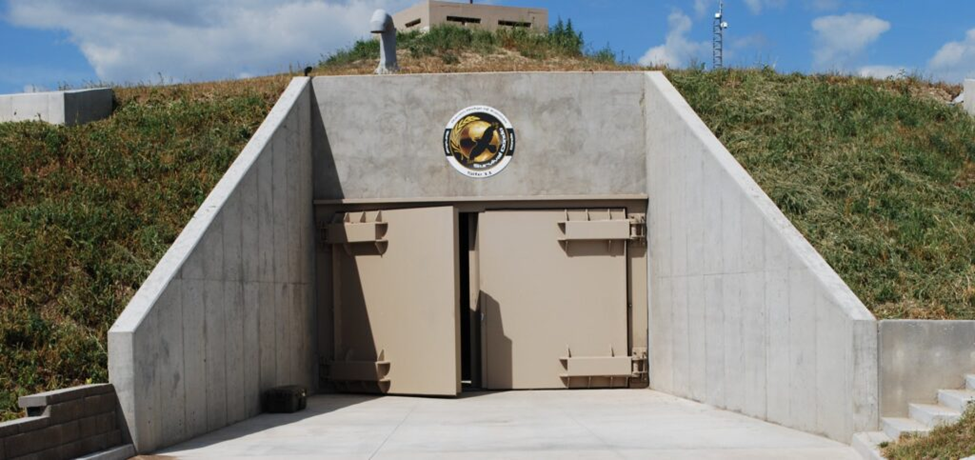
One of the most famous examples is the Survival Condo Project, built inside a decommissioned Atlas missile silo from the 1960s. The structure was transformed into a 15-story vertical underground complex.
Units sold for $1.5 million to $4.5 million.
Inside, residents have access to a swimming pool, gym, cinema, library, rock climbing wall, and a hydroponic farm capable of producing fresh vegetables underground. The entire complex can sustain 75 people for five years without outside contact.
The walls can survive a direct nuclear strike. The air filtration handles biological and chemical threats. Digital "windows" display real-time landscapes and changing skies to help residents avoid the psychological strain of living underground.
Units sold for $1.5 million to $4.5 million.
Inside, residents have access to a swimming pool, gym, cinema, library, rock climbing wall, and a hydroponic farm capable of producing fresh vegetables underground. The entire complex can sustain 75 people for five years without outside contact.
The walls can survive a direct nuclear strike. The air filtration handles biological and chemical threats. Digital "windows" display real-time landscapes and changing skies to help residents avoid the psychological strain of living underground.
2.Vivos Europa One – Germany
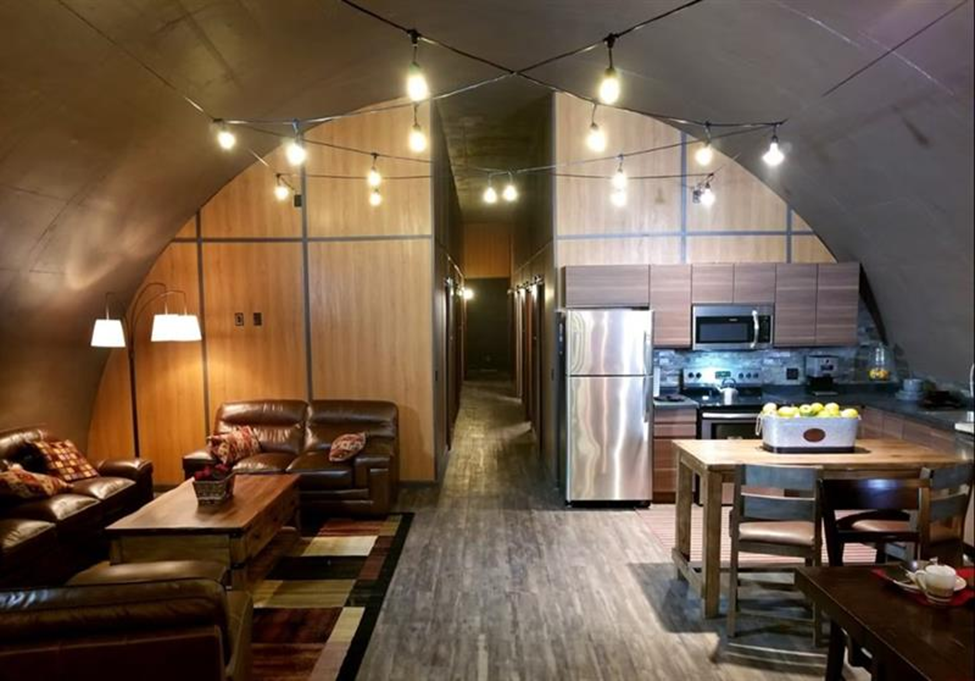
A Cold War bunker converted into a private survival community. Families purchase individual apartments and customize them to their specifications; wine cellars, art galleries, luxury bedrooms.
The complex sits deep inside a mountain with blast-proof doors, independent power, and years of food storage. It's designed to house hundreds of people for months or longer.
The complex sits deep inside a mountain with blast-proof doors, independent power, and years of food storage. It's designed to house hundreds of people for months or longer.
The Rise of Custom Luxury Bunkers
Beyond converted military structures, several companies now specialize in designing high-end underground shelters for wealthy clients.
One of them is Oppidum, a firm that builds high-end underground compounds across Europe and beyond. Their bunkers are designed to operate completely off-grid, with independent energy systems, water supplies, and advanced air filtration capable of protecting against chemical or nuclear threats.
But survival is only part of the concept. Some designs include indoor gardens, spas, wine cellars, and art galleries; spaces intended to make underground living more comfortable.
One of them is Oppidum, a firm that builds high-end underground compounds across Europe and beyond. Their bunkers are designed to operate completely off-grid, with independent energy systems, water supplies, and advanced air filtration capable of protecting against chemical or nuclear threats.
But survival is only part of the concept. Some designs include indoor gardens, spas, wine cellars, and art galleries; spaces intended to make underground living more comfortable.
Why Demand Is Growing
The growing interest in luxury bunkers is often linked to recent global events. The COVID-19 pandemic, rising geopolitical tensions, and increasing climate concerns have pushed some wealthy buyers to invest in private contingency plans.
While the likelihood of needing such shelters remains uncertain, the idea of a secure, self-sufficient refuge has gained traction among buyers seeking long-term resilience.
Once just Cold War shelters, bunkers today are secure, self-sufficient homes. From converted missile sites to custom underground residences, they blend safety with comfort. In a world full of uncertainty, bunkers have become the new way to live safely and independently.
While the likelihood of needing such shelters remains uncertain, the idea of a secure, self-sufficient refuge has gained traction among buyers seeking long-term resilience.
Once just Cold War shelters, bunkers today are secure, self-sufficient homes. From converted missile sites to custom underground residences, they blend safety with comfort. In a world full of uncertainty, bunkers have become the new way to live safely and independently.