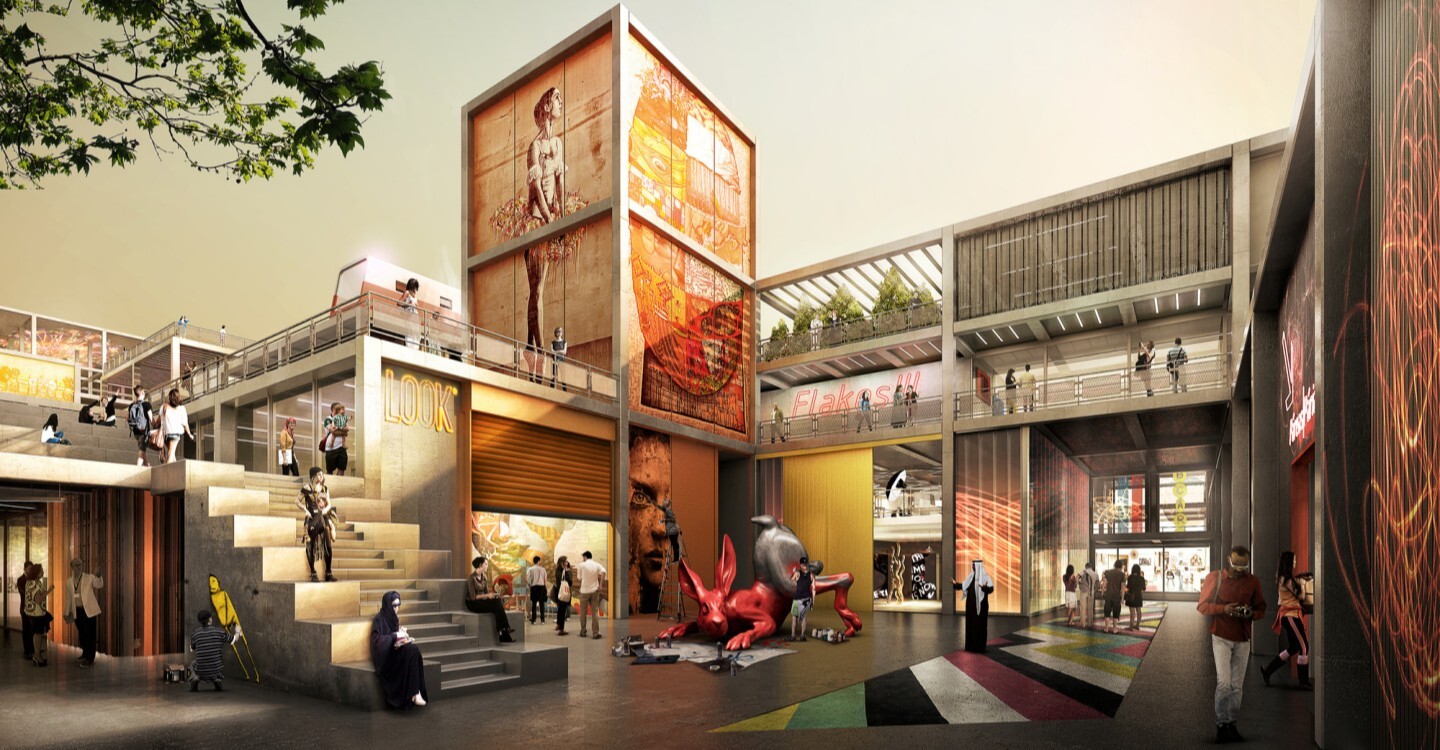
For much of the twentieth century, urban success was measured by what cities could build.
More roads. More towers. More parking. More infrastructure.
Today, many of the world's most ambitious cities are asking a different question: what happens between the buildings?
The answer has triggered a remarkable shift in urban planning. Across continents, governments, developers, and city authorities are reinvesting in parks, waterfront promenades, public plazas, pedestrian corridors, and community gathering spaces. These places, once viewed as amenities, are increasingly being treated as critical infrastructure.
The renewed focus is not driven by aesthetics alone. It reflects a growing understanding that successful cities are not defined solely by architecture or economic output. They are defined by the quality of everyday life they create.
As populations grow and urban environments become denser, public spaces are emerging as some of the most valuable assets a city can possess.
More roads. More towers. More parking. More infrastructure.
Today, many of the world's most ambitious cities are asking a different question: what happens between the buildings?
The answer has triggered a remarkable shift in urban planning. Across continents, governments, developers, and city authorities are reinvesting in parks, waterfront promenades, public plazas, pedestrian corridors, and community gathering spaces. These places, once viewed as amenities, are increasingly being treated as critical infrastructure.
The renewed focus is not driven by aesthetics alone. It reflects a growing understanding that successful cities are not defined solely by architecture or economic output. They are defined by the quality of everyday life they create.
As populations grow and urban environments become denser, public spaces are emerging as some of the most valuable assets a city can possess.
The Return of the Human-Centred City
The modern city has undergone several transformations over the past century.
Many urban centres were shaped around automobiles, prioritising movement and efficiency above social interaction. Wide roads, sprawling parking areas, and isolated developments often reduced opportunities for spontaneous encounters and community life.
In recent decades, planners have begun reversing parts of this model.
Research consistently shows that walkable environments contribute to higher levels of physical activity, stronger social connections, and greater overall wellbeing. Public spaces create opportunities for people to gather, exercise, relax, celebrate, and interact regardless of age, income, or background.
Cities are increasingly recognising that human experiences cannot be confined to private homes, offices, shopping centres, or vehicles. Vibrant urban life depends on shared spaces where communities can naturally come together.
This realisation has become one of the defining principles of contemporary urban development.
Many urban centres were shaped around automobiles, prioritising movement and efficiency above social interaction. Wide roads, sprawling parking areas, and isolated developments often reduced opportunities for spontaneous encounters and community life.
In recent decades, planners have begun reversing parts of this model.
Research consistently shows that walkable environments contribute to higher levels of physical activity, stronger social connections, and greater overall wellbeing. Public spaces create opportunities for people to gather, exercise, relax, celebrate, and interact regardless of age, income, or background.
Cities are increasingly recognising that human experiences cannot be confined to private homes, offices, shopping centres, or vehicles. Vibrant urban life depends on shared spaces where communities can naturally come together.
This realisation has become one of the defining principles of contemporary urban development.
Public Space as Economic Infrastructure
One of the most significant misconceptions about parks and plazas is that they are simply recreational investments.
In reality, they often generate substantial economic value.
Well-designed public spaces attract foot traffic, support local businesses, increase tourism activity, and contribute to stronger property values. Areas with high-quality public realms frequently become magnets for restaurants, retail concepts, cultural institutions, and new investment.
The transformation of waterfront districts around the world illustrates this clearly. Former industrial zones that were once disconnected from public life have been reimagined into thriving destinations centred around pedestrian access, landscaping, leisure activities, and cultural programming.
The lesson is increasingly clear: people gravitate toward places that offer experiences, not just buildings.
As a result, cities are beginning to view public spaces not as costs, but as long-term economic catalysts.
In reality, they often generate substantial economic value.
Well-designed public spaces attract foot traffic, support local businesses, increase tourism activity, and contribute to stronger property values. Areas with high-quality public realms frequently become magnets for restaurants, retail concepts, cultural institutions, and new investment.
The transformation of waterfront districts around the world illustrates this clearly. Former industrial zones that were once disconnected from public life have been reimagined into thriving destinations centred around pedestrian access, landscaping, leisure activities, and cultural programming.
The lesson is increasingly clear: people gravitate toward places that offer experiences, not just buildings.
As a result, cities are beginning to view public spaces not as costs, but as long-term economic catalysts.
The Growing Importance of Urban Wellbeing
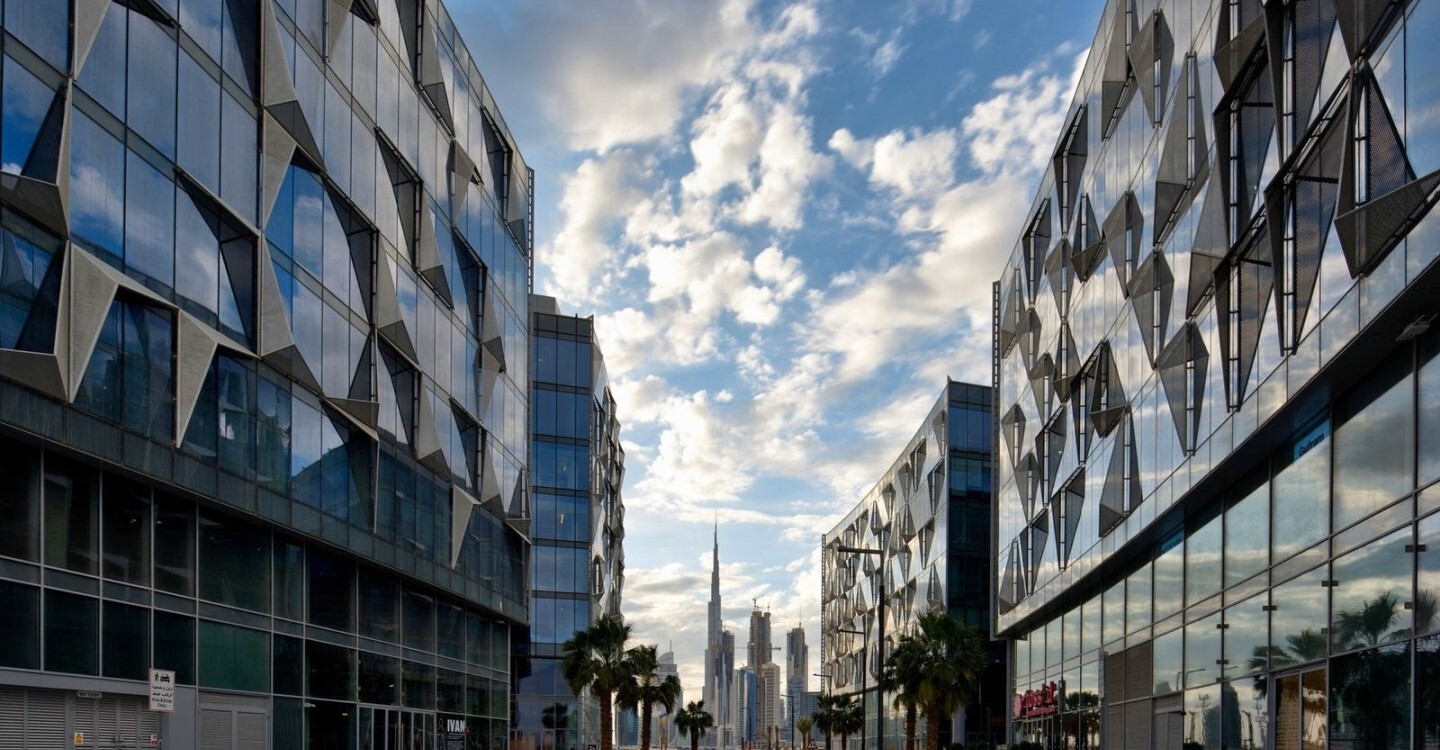
The global pandemic accelerated conversations about the value of accessible outdoor environments.
During periods of restrictions and social distancing, parks, walking trails, and open-air gathering areas became essential parts of daily life. Many cities discovered that access to quality public spaces was directly connected to residents' physical and mental wellbeing.
The experience reinforced something urban researchers had been observing for years.
Green spaces can help reduce stress levels, improve air quality, mitigate urban heat, encourage physical activity, and create healthier living environments. In dense urban settings, these benefits become even more important.
Today, investments in public spaces are often discussed alongside healthcare, sustainability, and quality-of-life strategies.
They are no longer viewed as optional enhancements.
They are increasingly considered essential urban infrastructure.
During periods of restrictions and social distancing, parks, walking trails, and open-air gathering areas became essential parts of daily life. Many cities discovered that access to quality public spaces was directly connected to residents' physical and mental wellbeing.
The experience reinforced something urban researchers had been observing for years.
Green spaces can help reduce stress levels, improve air quality, mitigate urban heat, encourage physical activity, and create healthier living environments. In dense urban settings, these benefits become even more important.
Today, investments in public spaces are often discussed alongside healthcare, sustainability, and quality-of-life strategies.
They are no longer viewed as optional enhancements.
They are increasingly considered essential urban infrastructure.
Why Younger Generations Expect More
A notable shift in residential demand is also influencing public-space investment.
Younger generations are placing greater emphasis on experiences, walkability, and community engagement when choosing where to live. Access to parks, outdoor activities, cycling routes, cultural venues, and public gathering spaces often ranks alongside traditional considerations such as location and property size.
This changing mindset has encouraged cities and developers to think beyond individual buildings.
Residents increasingly evaluate entire neighbourhoods rather than isolated projects. They want environments that support daily routines, social interaction, wellness, and convenience.
In many cases, the strength of the surrounding public realm has become as influential as the architecture itself.
Younger generations are placing greater emphasis on experiences, walkability, and community engagement when choosing where to live. Access to parks, outdoor activities, cycling routes, cultural venues, and public gathering spaces often ranks alongside traditional considerations such as location and property size.
This changing mindset has encouraged cities and developers to think beyond individual buildings.
Residents increasingly evaluate entire neighbourhoods rather than isolated projects. They want environments that support daily routines, social interaction, wellness, and convenience.
In many cases, the strength of the surrounding public realm has become as influential as the architecture itself.
Global Cities Are Competing Through Public Space
The world's leading cities are investing heavily in public spaces because they understand their role in attracting talent, visitors, and investment.
Cities such as Copenhagen, Singapore, Melbourne, and Barcelona have spent decades refining pedestrian networks, waterfront experiences, cycling infrastructure, and community-oriented public environments.
These investments have become part of their global identities.
Increasingly, urban competitiveness is not measured solely by skylines or economic statistics. It is measured by how enjoyable, accessible, and livable a city feels on a daily basis.
The quality of public life has become a strategic advantage.
Cities such as Copenhagen, Singapore, Melbourne, and Barcelona have spent decades refining pedestrian networks, waterfront experiences, cycling infrastructure, and community-oriented public environments.
These investments have become part of their global identities.
Increasingly, urban competitiveness is not measured solely by skylines or economic statistics. It is measured by how enjoyable, accessible, and livable a city feels on a daily basis.
The quality of public life has become a strategic advantage.
Dubai's Evolving Public Realm
Dubai's urban evolution offers an interesting example of this global trend.
While the city is internationally recognised for its architecture and large-scale developments, recent years have seen a growing emphasis on creating more accessible and engaging public environments.
Projects such as Dubai Harbour, Dubai Creek Harbour, Jumeirah Beach Residence Walk, and Expo City Dubai demonstrate a broader focus on walkability, waterfront access, outdoor experiences, and community interaction.
The city's expanding network of cycling tracks, beachfront destinations, landscaped corridors, and public gathering areas reflects a growing understanding that successful urban environments require more than iconic structures.
They require meaningful places where people can spend time without a specific agenda.
Places to walk.
Places to meet.
Places to simply be.
While the city is internationally recognised for its architecture and large-scale developments, recent years have seen a growing emphasis on creating more accessible and engaging public environments.
Projects such as Dubai Harbour, Dubai Creek Harbour, Jumeirah Beach Residence Walk, and Expo City Dubai demonstrate a broader focus on walkability, waterfront access, outdoor experiences, and community interaction.
The city's expanding network of cycling tracks, beachfront destinations, landscaped corridors, and public gathering areas reflects a growing understanding that successful urban environments require more than iconic structures.
They require meaningful places where people can spend time without a specific agenda.
Places to walk.
Places to meet.
Places to simply be.
The Future of Development Lies Between the Buildings
As cities continue to grow, the conversation around urban success is changing.
Developers will continue to create remarkable buildings. Architects will continue to push design boundaries. Infrastructure will continue to evolve.
Yet some of the most important investments may not be the structures themselves.
They may be the spaces that connect them.
The park where neighbours become friends.
The promenade that encourages evening walks.
The plaza that hosts celebrations, markets, and cultural events.
These spaces create the social fabric that transforms collections of buildings into genuine communities.
Perhaps that is why cities around the world are investing in public spaces once again. Not because they have rediscovered landscaping or urban design, but because they have rediscovered something more fundamental.
Great cities are ultimately built for people.
Developers will continue to create remarkable buildings. Architects will continue to push design boundaries. Infrastructure will continue to evolve.
Yet some of the most important investments may not be the structures themselves.
They may be the spaces that connect them.
The park where neighbours become friends.
The promenade that encourages evening walks.
The plaza that hosts celebrations, markets, and cultural events.
These spaces create the social fabric that transforms collections of buildings into genuine communities.
Perhaps that is why cities around the world are investing in public spaces once again. Not because they have rediscovered landscaping or urban design, but because they have rediscovered something more fundamental.
Great cities are ultimately built for people.