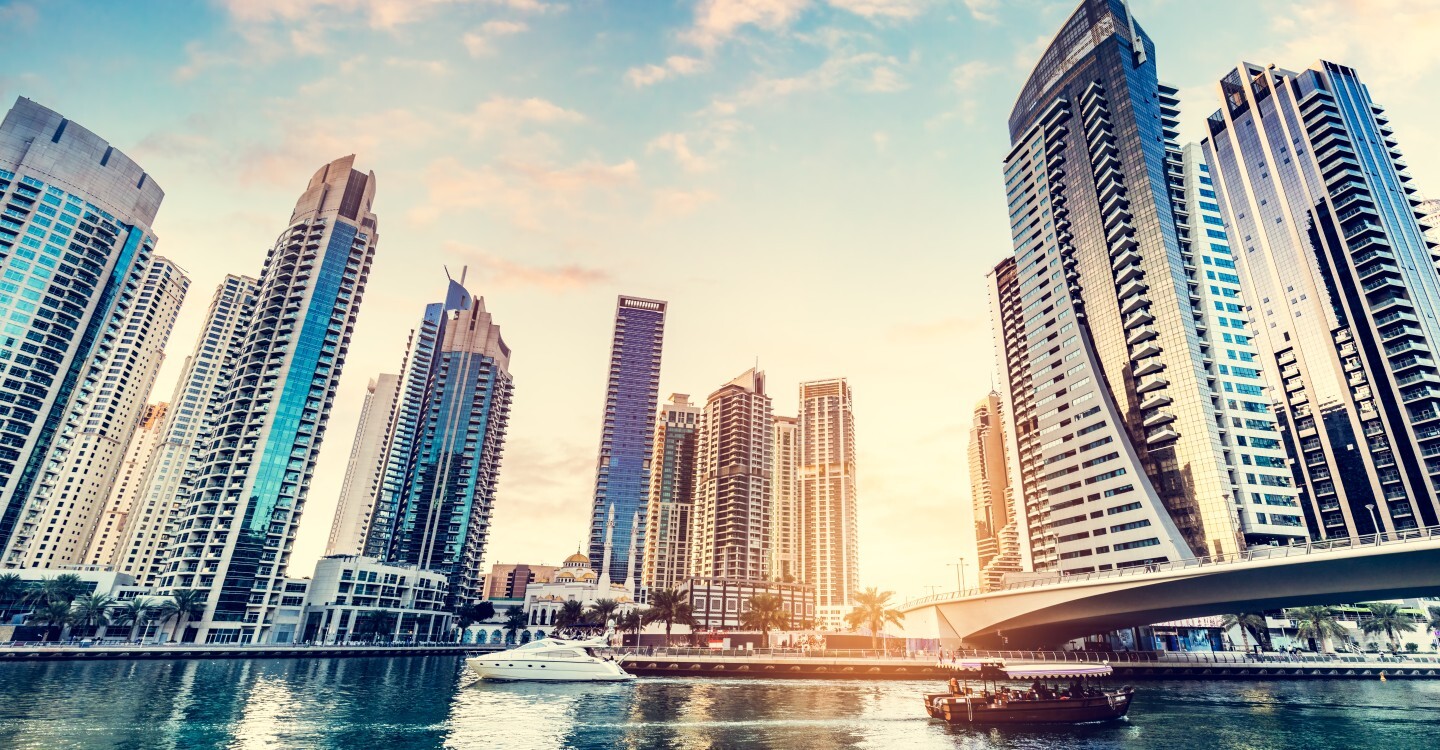
For most of human history, we lived horizontally. Villages spread outward, homes touched the ground, and community life unfolded at eye level. Then cities grew denser, land grew scarcer, and we began building upward.
But vertical living is not simply a response to space constraints – it is a complex social, psychological, and architectural experiment. And when done right, it works beautifully.
So, what truly makes high-rise communities thrive? The answer lies at the intersection of design, behaviour, and science.
But vertical living is not simply a response to space constraints – it is a complex social, psychological, and architectural experiment. And when done right, it works beautifully.
So, what truly makes high-rise communities thrive? The answer lies at the intersection of design, behaviour, and science.
Height Changes Behaviour – But Not How You Think
Living higher above ground subtly alters the way we perceive space and ourselves within it. Studies in environmental psychology suggest that elevation can increase feelings of privacy, security, and control, when properly designed.
However, poorly planned towers can produce the opposite effect: isolation, disconnection, and anonymity. The difference is not the height itself, but how humans are considered within the vertical equation.
Successful high-rise living respects a simple truth:
However, poorly planned towers can produce the opposite effect: isolation, disconnection, and anonymity. The difference is not the height itself, but how humans are considered within the vertical equation.
Successful high-rise living respects a simple truth:
People don’t want to live above others; they want to live among them.
Density Needs Design, Not Just Structure
High-rise living is dense by default, but density is not the problem; unmanaged density is. When towers become nothing more than stacked units and endless corridors, people don’t live together, they merely pass each other by. Space is shared, yet experience is not. What follows is not efficiency, but silent disconnection.
Great vertical communities rewrite this narrative. Here, density is treated as an opportunity, not a compromise. Shared spaces are intentional and clearly defined, designed to be destinations rather than afterthoughts.
Life is carefully layered – noise, leisure, and rest are zoned across vertical planes so daily rhythms flow without friction.
And then there are the pauses. Inviting lobbies, sky lounges, and shared terraces are placed where movement naturally slows. Because community doesn’t happen in transit, it happens in moments of pause.
These spaces act as social buffers, softening the pressure of density while preserving personal choice. Connection is never forced, yet always within reach, and that balance is where high-rise living truly begins to work.
Great vertical communities rewrite this narrative. Here, density is treated as an opportunity, not a compromise. Shared spaces are intentional and clearly defined, designed to be destinations rather than afterthoughts.
Life is carefully layered – noise, leisure, and rest are zoned across vertical planes so daily rhythms flow without friction.
And then there are the pauses. Inviting lobbies, sky lounges, and shared terraces are placed where movement naturally slows. Because community doesn’t happen in transit, it happens in moments of pause.
These spaces act as social buffers, softening the pressure of density while preserving personal choice. Connection is never forced, yet always within reach, and that balance is where high-rise living truly begins to work.
The Elevator is More Important Than You Realise
In horizontal neighbourhoods, streets shape community life. In vertical living, the elevator replaces the street.
Its design, speed, visibility, and even waiting experience affect how residents feel about their building. Long waits, overcrowding, or poor flow create stress before people even reach their homes.
Well-designed vertical circulation:
When vertical movement feels effortless, the building feels liveable.
Its design, speed, visibility, and even waiting experience affect how residents feel about their building. Long waits, overcrowding, or poor flow create stress before people even reach their homes.
Well-designed vertical circulation:
- Minimizes wait times through smart traffic planning
- Separates service, residential, and amenity movement
- Uses natural light, views, or visual openness to reduce claustrophobia
When vertical movement feels effortless, the building feels liveable.
Light, Air & the Human Nervous System
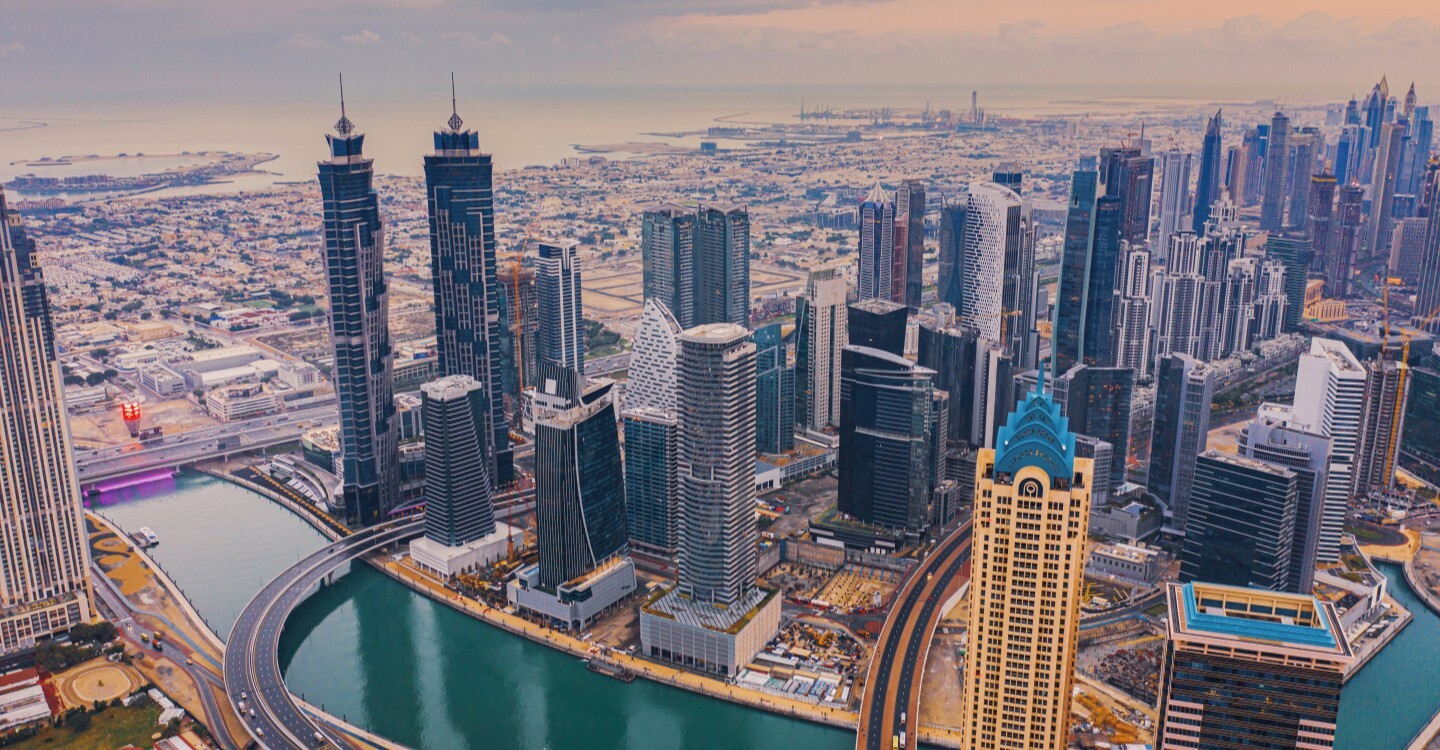
One of the biggest misconceptions about high-rise living is that height compensates for comfort. It does not.
What truly sustains well-being is access to daylight, fresh air, and visual depth. Research consistently shows that exposure to natural light regulates sleep cycles, reduces stress, and improves cognitive function.
This is why effective towers prioritize:
In places like Dubai, where heat is a constant factor, vertical living succeeds only when architecture works with the climate, not against it.
What truly sustains well-being is access to daylight, fresh air, and visual depth. Research consistently shows that exposure to natural light regulates sleep cycles, reduces stress, and improves cognitive function.
This is why effective towers prioritize:
- Floor-to-ceiling glazing with proper shading
- Cross-ventilation where climate allows
- Orientation that balances views with thermal performance
In places like Dubai, where heat is a constant factor, vertical living succeeds only when architecture works with the climate, not against it.
Communities Are Built in Layers, Not Floors
A high-rise is not one community; it is many micro-communities stacked vertically.
Smart developments recognize this and design in layers:
Each layer serves a psychological function, allowing residents to choose how social, or private, they want to be at any moment.
Choice, more than luxury, is what defines comfort.
Smart developments recognize this and design in layers:
- Private (home)
- Semi-private (floor lounges, shared terraces)
- Communal (amenities, gardens, co-working spaces)
- Public-facing (retail, cafés, street-level activation)
Each layer serves a psychological function, allowing residents to choose how social, or private, they want to be at any moment.
Choice, more than luxury, is what defines comfort.
Amenities Don’t Create Community – Usage Does
Gyms, pools, cinemas, and lounges are now standard in high-rise developments. Yet many remain underused. Why?
Because amenities only succeed when they are:
A shared workspace that sits near elevators will outperform one hidden on a rooftop. A children’s play area visible from seating encourages parents to stay longer.
Community happens where friction is lowest.
Because amenities only succeed when they are:
- Easy to access
- Naturally integrated into daily routines
- Designed for real behaviour, not brochure imagery
A shared workspace that sits near elevators will outperform one hidden on a rooftop. A children’s play area visible from seating encourages parents to stay longer.
Community happens where friction is lowest.
The Psychological Need for Ground – Even in the Sky
Humans evolved with a relationship to the ground. High-rise living must acknowledge this instinct rather than deny it.
That’s why the best vertical communities recreate grounding elements:
These elements reconnect residents to nature, even dozens of floors above it. Biophilic design is not aesthetic; it is neurological.
In the end, the science of vertical living is not about engineering taller buildings, it is about designing better lives, layer by layer.
And when done right, living above the city doesn’t distance us from it, it gives us a clearer view of what community can truly be.
That’s why the best vertical communities recreate grounding elements:
- Sky gardens
- Elevated parks
- Terraces with planting and water features
- Materials that soften the experience - wood, stone, texture
These elements reconnect residents to nature, even dozens of floors above it. Biophilic design is not aesthetic; it is neurological.
In the end, the science of vertical living is not about engineering taller buildings, it is about designing better lives, layer by layer.
And when done right, living above the city doesn’t distance us from it, it gives us a clearer view of what community can truly be.