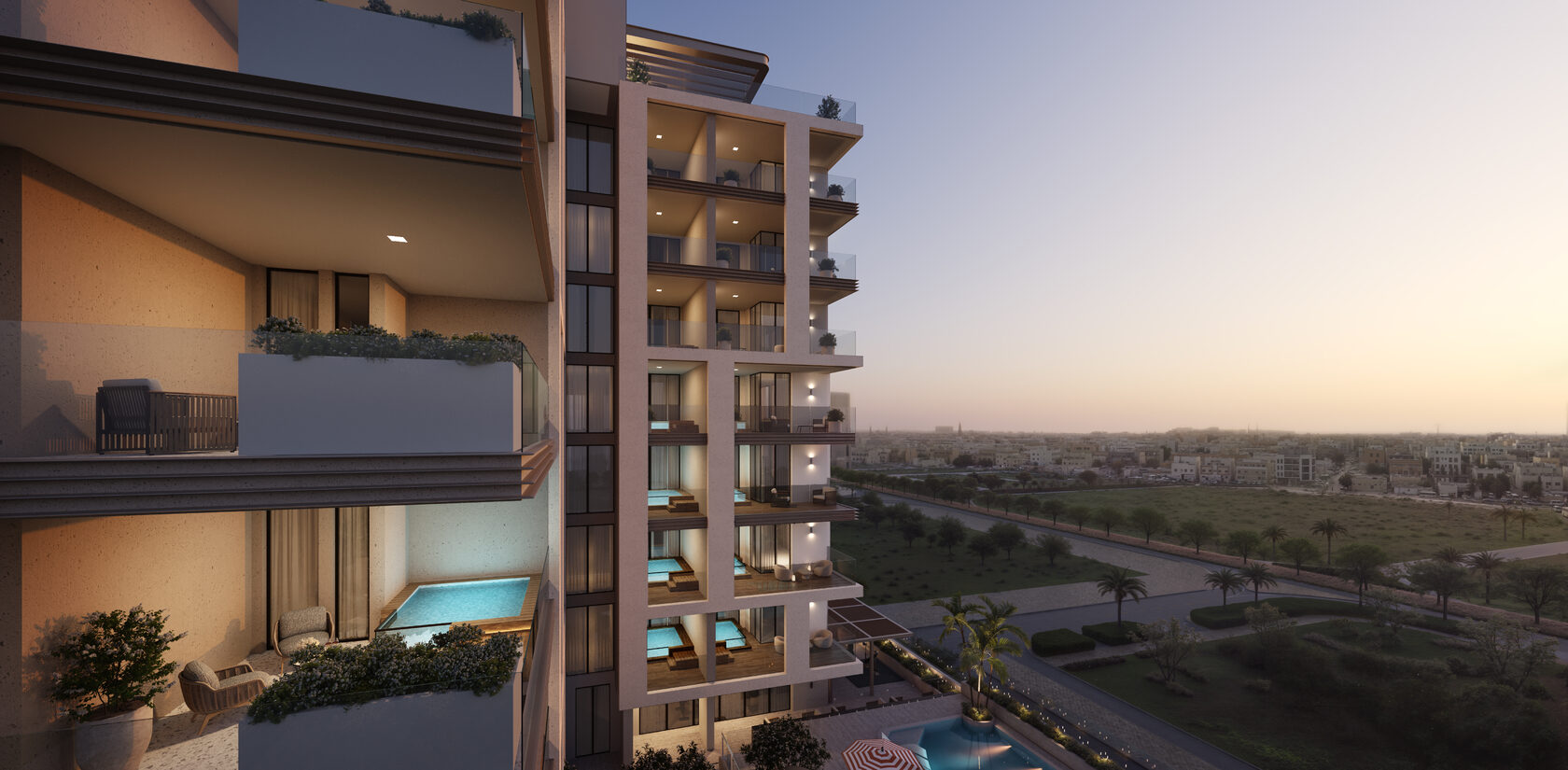
Balconies are often marketed as premium features in residential buildings, promising outdoor living, fresh air, and a connection to the community. Yet many balconies end up underused.
The difference between a balcony that becomes an everyday extension of the home and one that serves as little more than storage lies less in its size and more in three environmental factors: orientation, shade, and wind patterns. Understanding these elements is essential for architects, developers, and residents who want balconies to be genuinely usable rather than symbolic.
The difference between a balcony that becomes an everyday extension of the home and one that serves as little more than storage lies less in its size and more in three environmental factors: orientation, shade, and wind patterns. Understanding these elements is essential for architects, developers, and residents who want balconies to be genuinely usable rather than symbolic.
Orientation: Sun as an Asset or a Liability
Orientation determines how much sunlight a balcony receives throughout the day and across seasons. A well-oriented balcony can offer warmth in winter, pleasant light in the morning, and protection from harsh afternoon sun. A balcony that lacks proper orientation can be unusable for long stretches of the year.
In many climates, southeast-facing balconies strike a favorable balance.
Morning sun makes the space inviting for breakfast or early work hours, while avoiding the intense heat of late afternoon. West-facing balconies, on the other hand, often suffer from excessive heat and glare, especially in summer. Even with outdoor furniture, tenants may avoid these spaces simply because they are uncomfortable at peak hours. North-facing balconies can be cooler and more consistent but may lack sufficient sunlight, making them less appealing in colder months.
Orientation also affects how people perceive time and rhythm in their space. A balcony that catches the sunrise encourages early use and feels alive; one that remains in shadow for most of the day can feel detached and inert. The real value of orientation lies in aligning natural light with human habits, not just meeting a checklist requirement for “outdoor space”.
In many climates, southeast-facing balconies strike a favorable balance.
Morning sun makes the space inviting for breakfast or early work hours, while avoiding the intense heat of late afternoon. West-facing balconies, on the other hand, often suffer from excessive heat and glare, especially in summer. Even with outdoor furniture, tenants may avoid these spaces simply because they are uncomfortable at peak hours. North-facing balconies can be cooler and more consistent but may lack sufficient sunlight, making them less appealing in colder months.
Orientation also affects how people perceive time and rhythm in their space. A balcony that catches the sunrise encourages early use and feels alive; one that remains in shadow for most of the day can feel detached and inert. The real value of orientation lies in aligning natural light with human habits, not just meeting a checklist requirement for “outdoor space”.
Shade: Making Sunlight Manageable
Sunlight alone does not guarantee comfort. Shade is what turns raw exposure into controlled usability. Effective shading allows residents to enjoy a balcony regardless of the time of day, across more seasons, and during more hours of the day.
Permanent architectural shading, such as overhangs, recessed balconies, louvers, or vertical fins, provide predictable protection and requires no daily effort. These elements can be carefully designed to block high summer sun while allowing lower winter sun to penetrate, improving both comfort and energy performance. Temporary or user-controlled solutions, such as awnings, umbrellas, or screens, add flexibility but rely on active use and maintenance.
Without shade, balconies in sunny orientations become heat traps. Surface temperatures rise, furniture degrades quickly, and plants struggle to survive. As a result, residents retreat indoors, even on otherwise pleasant days. With proper shading, the same balcony can function as an outdoor living room, workspace, or dining area.
Shade also contributes to privacy. Screens and fins reduce visual exposure from neighboring buildings, making users more comfortable spending time outdoors. In dense urban environments, this psychological comfort is just as important as thermal comfort in determining whether a balcony is used.
Permanent architectural shading, such as overhangs, recessed balconies, louvers, or vertical fins, provide predictable protection and requires no daily effort. These elements can be carefully designed to block high summer sun while allowing lower winter sun to penetrate, improving both comfort and energy performance. Temporary or user-controlled solutions, such as awnings, umbrellas, or screens, add flexibility but rely on active use and maintenance.
Without shade, balconies in sunny orientations become heat traps. Surface temperatures rise, furniture degrades quickly, and plants struggle to survive. As a result, residents retreat indoors, even on otherwise pleasant days. With proper shading, the same balcony can function as an outdoor living room, workspace, or dining area.
Shade also contributes to privacy. Screens and fins reduce visual exposure from neighboring buildings, making users more comfortable spending time outdoors. In dense urban environments, this psychological comfort is just as important as thermal comfort in determining whether a balcony is used.
Wind Patterns: The Invisible Deal-Breaker
Wind is often the most underestimated factor in balcony usability. While light breezes can enhance comfort in warm weather, strong or turbulent winds can make a balcony unpleasant or even unsafe. Wind affects not only comfort but also noise levels, dust accumulation, and the stability of furniture and plants.
Wind behavior around buildings is complex. High-rise structures, corners, and narrow gaps between buildings can create acceleration zones and downdrafts that funnel wind directly onto balconies. A balcony that looks appealing on a floor plan may be exposed to constant gusts that discourage any meaningful use.
Orientation plays a role here as well. Balconies facing prevailing winds are more likely to experience discomfort, while those shielded by the building mass or neighboring structures tend to be calmer. Design strategies such as side walls, partial enclosures, perforated screens, and glass balustrades can significantly reduce wind impact without fully enclosing the space.
Importantly, wind comfort is highly context specific. What works in a low-rise suburban setting may fail in a dense, high-rise urban environment. Assessing wind patterns early in the design process, rather than treating balconies as leftover façade elements, can prevent costly mistakes and underperforming spaces.
Wind behavior around buildings is complex. High-rise structures, corners, and narrow gaps between buildings can create acceleration zones and downdrafts that funnel wind directly onto balconies. A balcony that looks appealing on a floor plan may be exposed to constant gusts that discourage any meaningful use.
Orientation plays a role here as well. Balconies facing prevailing winds are more likely to experience discomfort, while those shielded by the building mass or neighboring structures tend to be calmer. Design strategies such as side walls, partial enclosures, perforated screens, and glass balustrades can significantly reduce wind impact without fully enclosing the space.
Importantly, wind comfort is highly context specific. What works in a low-rise suburban setting may fail in a dense, high-rise urban environment. Assessing wind patterns early in the design process, rather than treating balconies as leftover façade elements, can prevent costly mistakes and underperforming spaces.
Usability as a Measure of Value
The true value of a balcony is not measured in square meters but in hours of use. A small, well-oriented, shaded, and wind-protected balcony may be used daily, while a larger but poorly designed one may sit empty year-round. From a real estate perspective, this difference matters. Buyers and renters quickly recognize whether a balcony feels comfortable and practical, even if they cannot articulate why.
For residents, a usable balcony improves quality of life. It offers a semi-private outdoor retreat, supports mental well-being, and provides flexibility for work, leisure, and social interaction. During periods when access to public outdoor spaces is limited, the importance of a functional balcony becomes even more apparent.
For residents, a usable balcony improves quality of life. It offers a semi-private outdoor retreat, supports mental well-being, and provides flexibility for work, leisure, and social interaction. During periods when access to public outdoor spaces is limited, the importance of a functional balcony becomes even more apparent.
Designing for Real Life
Balcony usability is not an aesthetic afterthought; it is an environmental and behavioral issue. Orientation determines when and how sunlight is experienced. Shade moderates that sunlight into something livable. Wind patterns decide whether the space feels calm or hostile. When these factors are considered together, balconies become true extensions of the home rather than decorative add-ons.
Ultimately, good balcony design respects the realities of climate, context, and human behavior.
Ultimately, good balcony design respects the realities of climate, context, and human behavior.