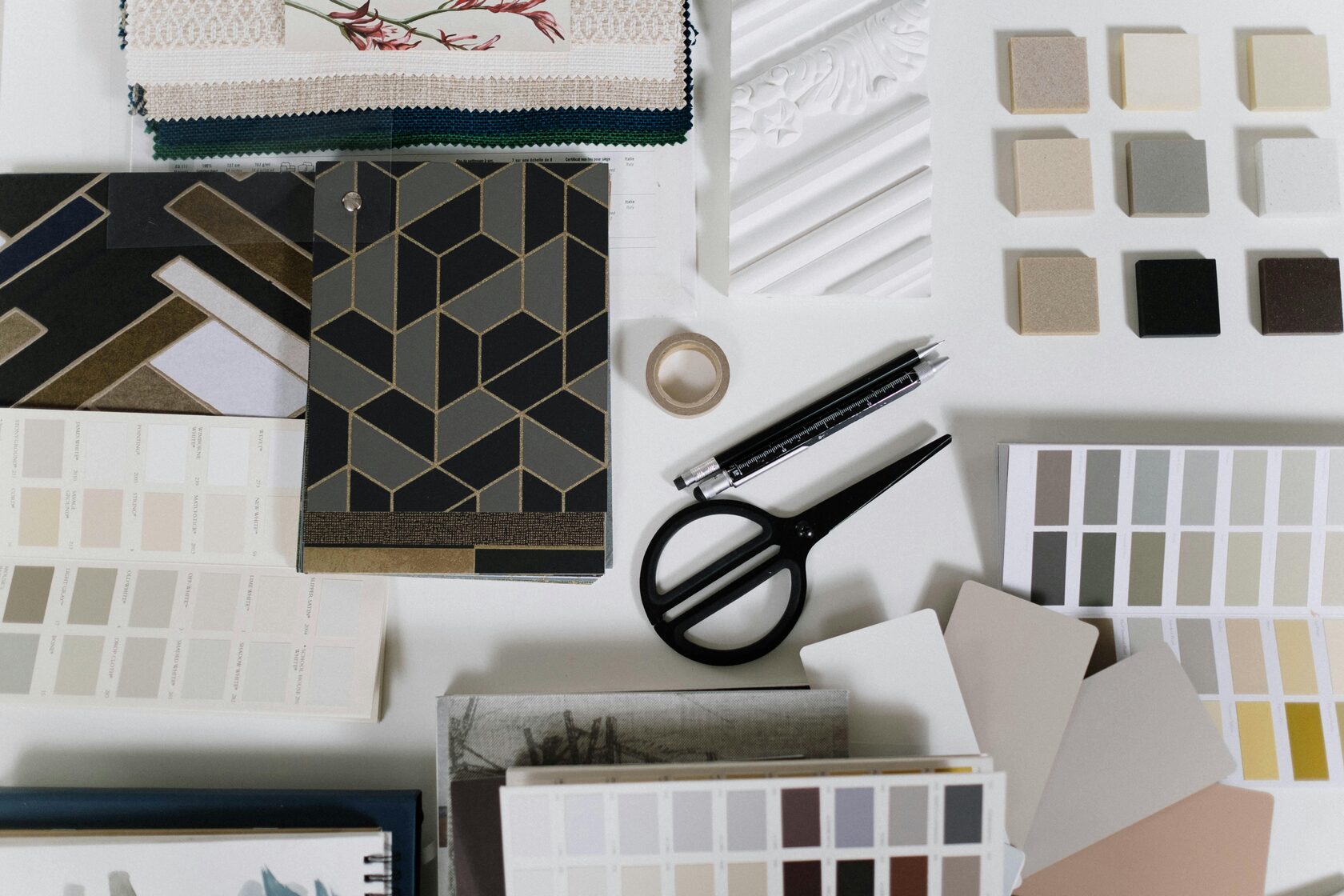
As we move toward 2026, interior design is witnessing a transformation defined by adaptability, authenticity, and intentional living. Homeowners are rethinking how their spaces function, feel, and support their everyday lives. From multifunctional layouts that flex with changing routines to the resurgence of sculptural Brutalism, from wellness-driven sanctuaries to deeply sustainable material choices, this year’s trends reflect a collective shift toward homes that are expressive and purposeful. The result is a design landscape that balances beauty with meaning; spaces that ground us, energize us, and evolve with us.
Multifunctional Spaces
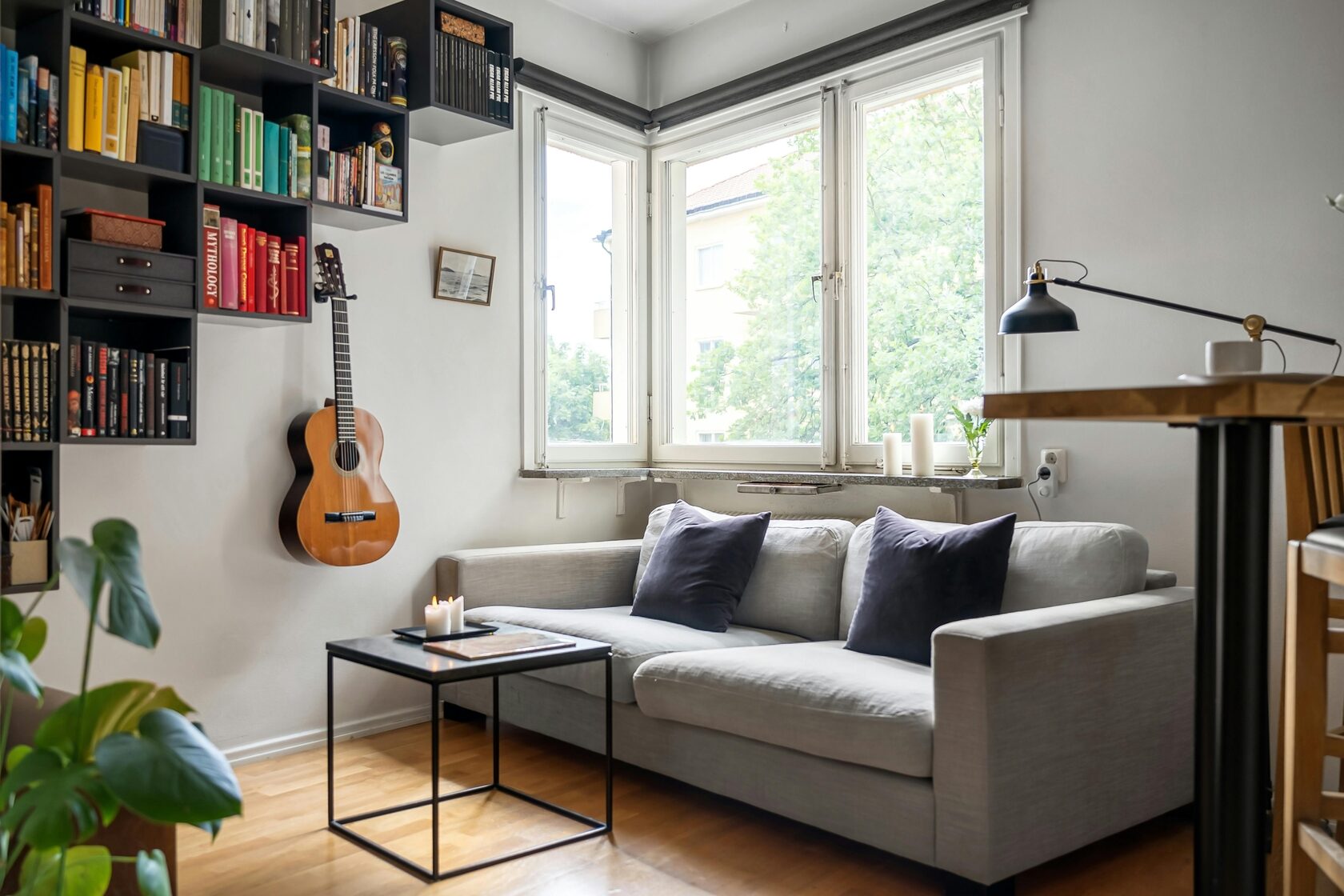
One of 2026’s most defining interior trends is the rise of multifunctional living, as homes continue to adapt to the overlapping demands of work, wellness, entertainment, and rest.
Rather than dedicating rooms to single purposes, designers are prioritizing flexible layouts, modular furniture, and smart zoning techniques that allow spaces to effortlessly shift throughout the day. Like guest rooms that transform into offices, dining areas that double as creative studios, and living rooms equipped with concealed storage and movable partitions.
This shift is also shaping the surge in adaptive design solutions; from foldaway desks and expandable tables to sliding wall systems and built-in tech that allows lighting, acoustics, and privacy to be adjusted with ease. Designers are leaning into durable materials that hold up to constant reconfiguration while still feeling warm and inviting. The goal is to create interiors that respond intuitively, eliminating the friction between work, leisure, and daily living.
Culturally, the multifunctional trend reflects a broader re-evaluation of how people want to live. With hybrid work models and households becoming more intergenerational, homeowners are prioritizing purposeful flexibility.
Rather than dedicating rooms to single purposes, designers are prioritizing flexible layouts, modular furniture, and smart zoning techniques that allow spaces to effortlessly shift throughout the day. Like guest rooms that transform into offices, dining areas that double as creative studios, and living rooms equipped with concealed storage and movable partitions.
This shift is also shaping the surge in adaptive design solutions; from foldaway desks and expandable tables to sliding wall systems and built-in tech that allows lighting, acoustics, and privacy to be adjusted with ease. Designers are leaning into durable materials that hold up to constant reconfiguration while still feeling warm and inviting. The goal is to create interiors that respond intuitively, eliminating the friction between work, leisure, and daily living.
Culturally, the multifunctional trend reflects a broader re-evaluation of how people want to live. With hybrid work models and households becoming more intergenerational, homeowners are prioritizing purposeful flexibility.
Brutalist Design
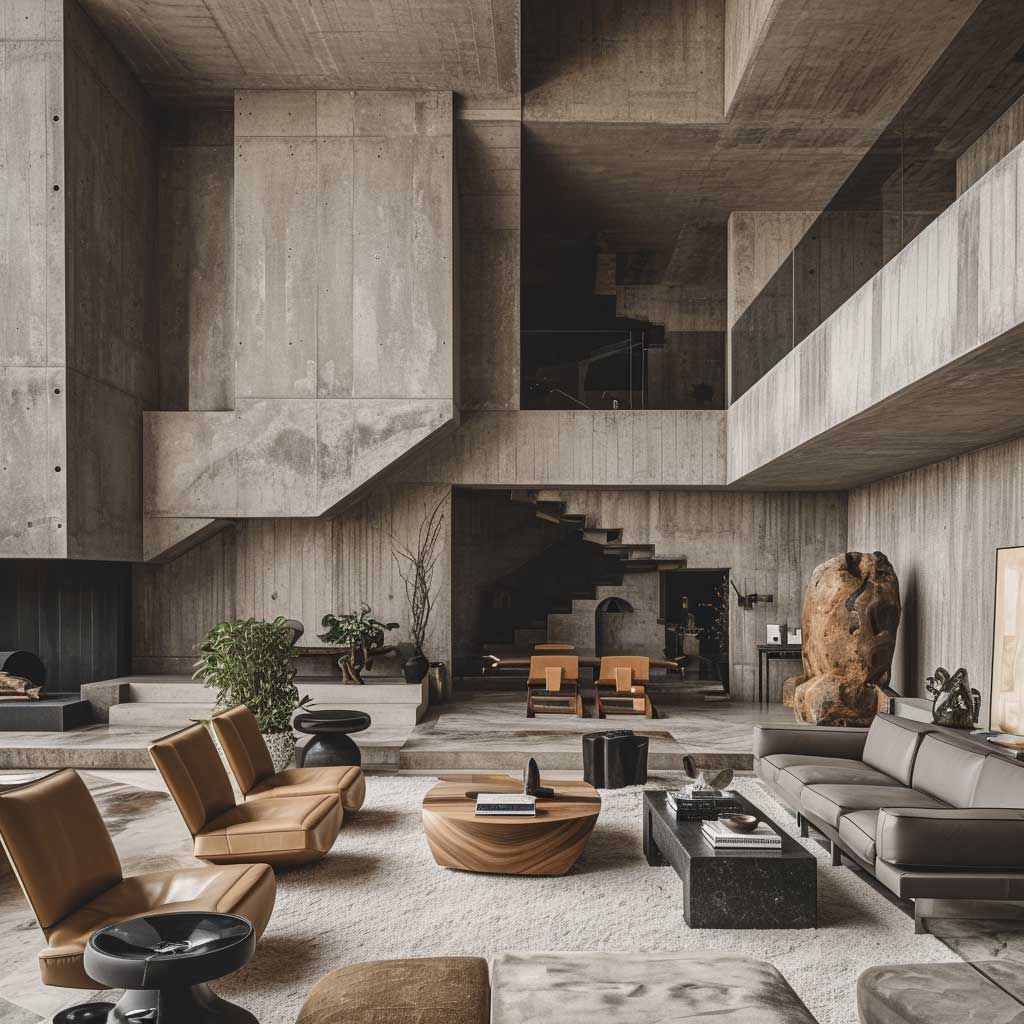
Brutalist design is making a notable comeback in 2026. Once associated with stark architecture and heavy concrete, the style is being reimagined for modern living, embracing its signature raw textures and sculptural forms while softening the overall aesthetic. Homeowners are gravitating toward interiors that feel grounded and intentional; favoring exposed materials and a palette centered on stone, charcoal, and warm neutrals. This new-wave Brutalism retains its bold identity but introduces a more livable, refined edge.
This resurgence is renewing an appreciation for material authenticity. Designers in 2026 will be leaning into concrete, plaster, and natural stone, pairing them with warm woods, textured fabrics, and matte metal finishes to create balance. Rather than feeling bland, these spaces achieve depth through layering: shadow, texture, and form become the primary tools of decoration, replacing traditional decoration.
Homeowners are gravitating toward designs that feel substantial and timeless, prioritizing longevity over fleeting trends. Brutalist elements offer a sense of permanence and clarity, creating environments that are both visually impactful and emotionally stabilizing. In 2026, this aesthetic is about embracing simplicity, strength, and sculptural beauty in a way that feels deeply modern and unexpectedly inviting.
This resurgence is renewing an appreciation for material authenticity. Designers in 2026 will be leaning into concrete, plaster, and natural stone, pairing them with warm woods, textured fabrics, and matte metal finishes to create balance. Rather than feeling bland, these spaces achieve depth through layering: shadow, texture, and form become the primary tools of decoration, replacing traditional decoration.
Homeowners are gravitating toward designs that feel substantial and timeless, prioritizing longevity over fleeting trends. Brutalist elements offer a sense of permanence and clarity, creating environments that are both visually impactful and emotionally stabilizing. In 2026, this aesthetic is about embracing simplicity, strength, and sculptural beauty in a way that feels deeply modern and unexpectedly inviting.
Wellness Spaces
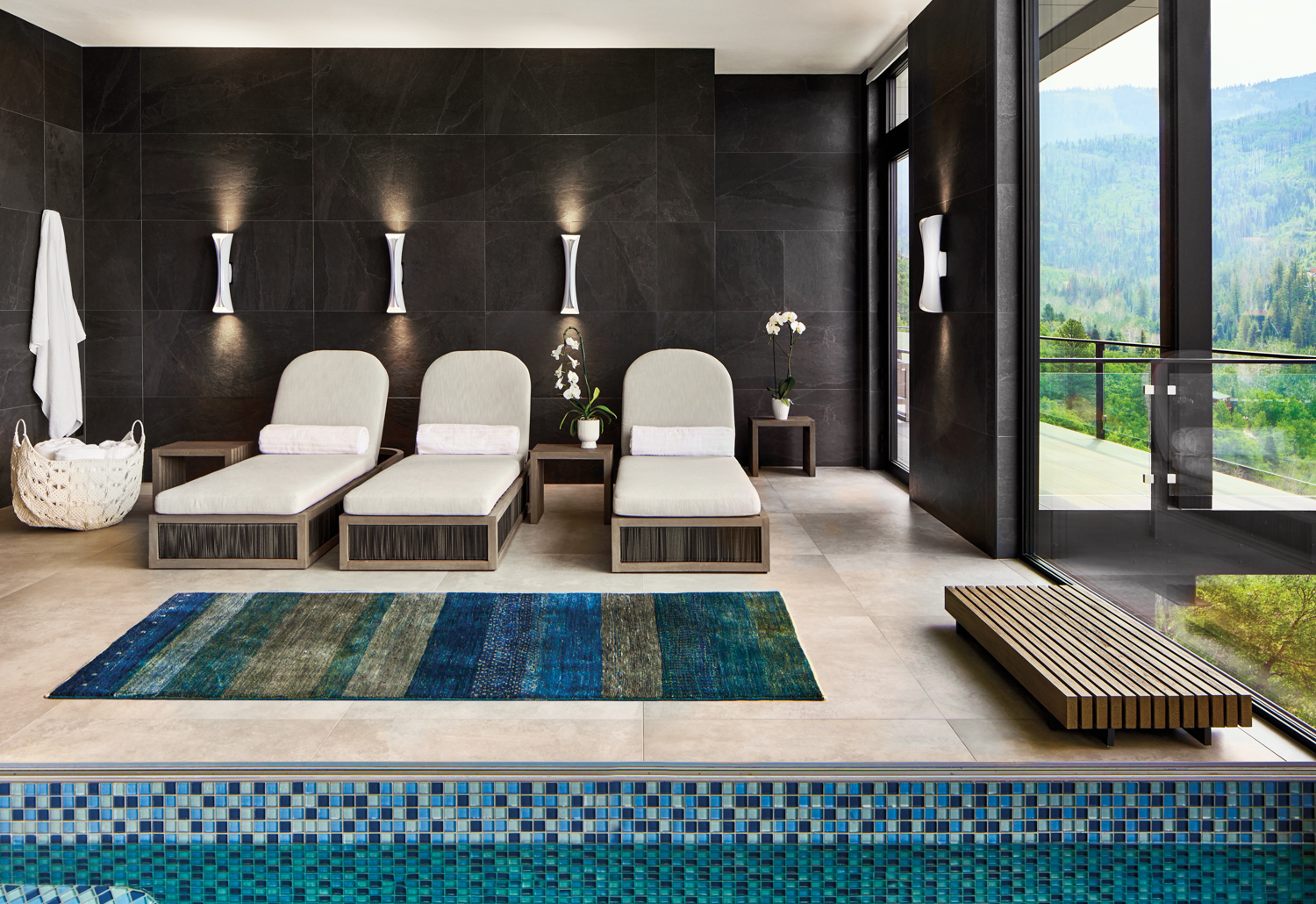
Wellness-focused interiors are set to become one of 2026’s most meaningful design trends, as homeowners increasingly seek environments that support mental clarity, physical health, and emotional balance. These areas are designed with intention, whether it’s a meditation corner bathed in natural light, a home spa accented with organic textures, or a fitness zone seamlessly integrated into the home’s layout. The emphasis is on creating restorative environments that feel calm, nurturing, and deeply personalized.
This trend also reflects a cultural shift toward prioritizing slower living and holistic self-care. With the demands of daily life becoming increasingly complex, homeowners are actively carving out spaces that help them decompress, reflect, and recharge. In 2026, wellness design is about creating homes that actively promote well-being, from morning routines to nighttime rituals. The result is a new standard for living: interiors that support health as seamlessly as they support style.
This trend also reflects a cultural shift toward prioritizing slower living and holistic self-care. With the demands of daily life becoming increasingly complex, homeowners are actively carving out spaces that help them decompress, reflect, and recharge. In 2026, wellness design is about creating homes that actively promote well-being, from morning routines to nighttime rituals. The result is a new standard for living: interiors that support health as seamlessly as they support style.
Sustainability
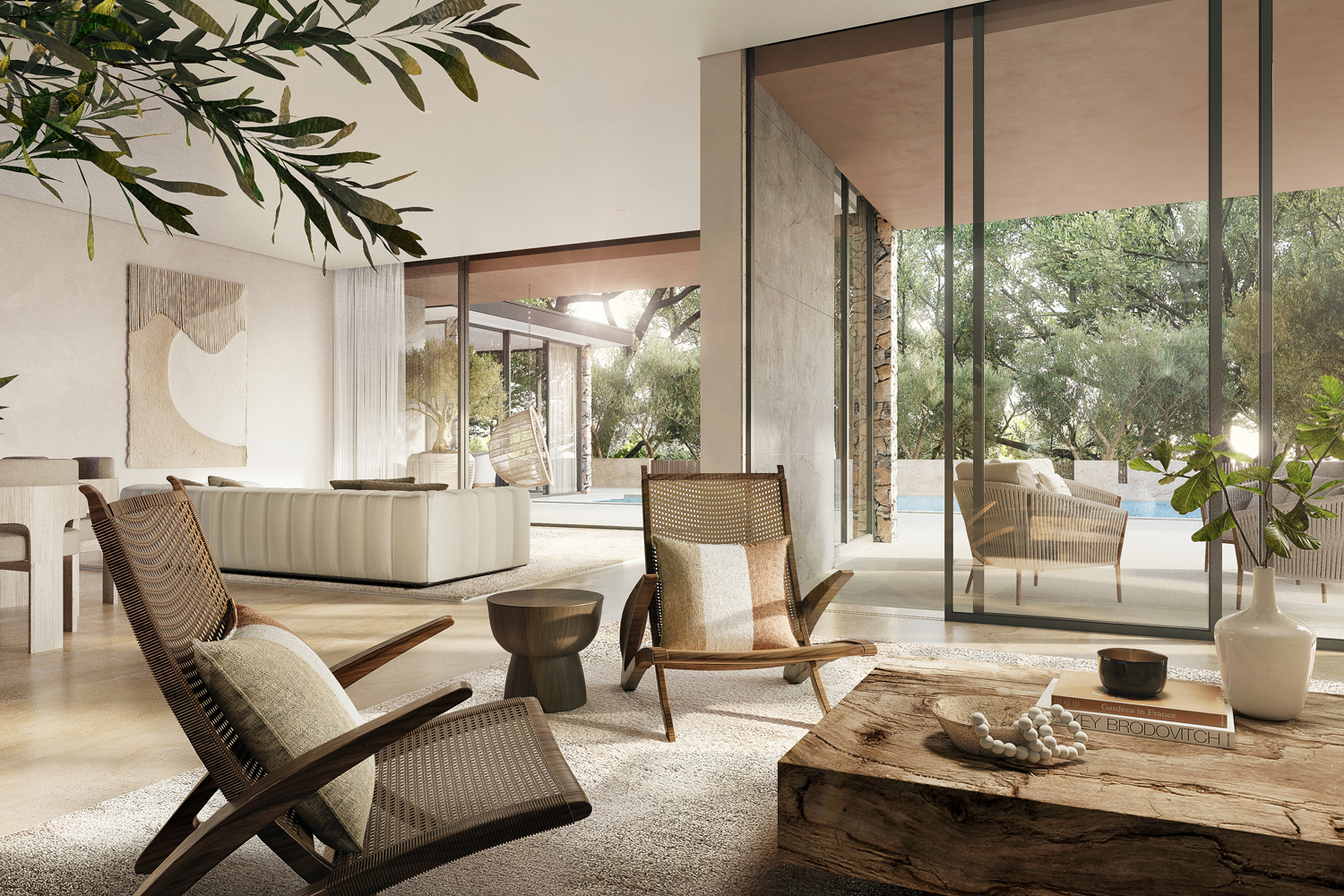
Sustainability is taking center stage in 2026, evolving from a desirable feature to a core principle of interior design. Homeowners are increasingly seeking spaces that reflect their environmental values, pushing designers to prioritize low-impact materials, ethical sourcing, and circular design solutions. This year’s sustainable interiors move beyond the aesthetic of “eco-friendly” and dive into meaningful choices; recycled composites, reclaimed woods, natural fibers, and finishes free of toxins. The result is a look that feels warm, grounded, and authentic while carrying a significantly lighter environmental footprint.
Innovation is also driving this trend. Designers are embracing closed-loop materials, biodegradable textiles, and high-performance eco alternatives, alongside smart energy systems that reduce consumption quietly and efficiently. Waste-conscious construction methods, modular furnishings, and repairable design components are becoming standard, not special features. Homes are increasingly incorporating indoor gardens, enhanced natural ventilation, and daylight-maximizing layouts, proving that sustainability and aesthetic can work in harmony.
As climate awareness grows, so does the desire for interiors that feel connected to nature and respectful of the environment. In 2026, sustainable design is creating thoughtful, enduring spaces that celebrate craftsmanship and prioritize well-being.
Innovation is also driving this trend. Designers are embracing closed-loop materials, biodegradable textiles, and high-performance eco alternatives, alongside smart energy systems that reduce consumption quietly and efficiently. Waste-conscious construction methods, modular furnishings, and repairable design components are becoming standard, not special features. Homes are increasingly incorporating indoor gardens, enhanced natural ventilation, and daylight-maximizing layouts, proving that sustainability and aesthetic can work in harmony.
As climate awareness grows, so does the desire for interiors that feel connected to nature and respectful of the environment. In 2026, sustainable design is creating thoughtful, enduring spaces that celebrate craftsmanship and prioritize well-being.