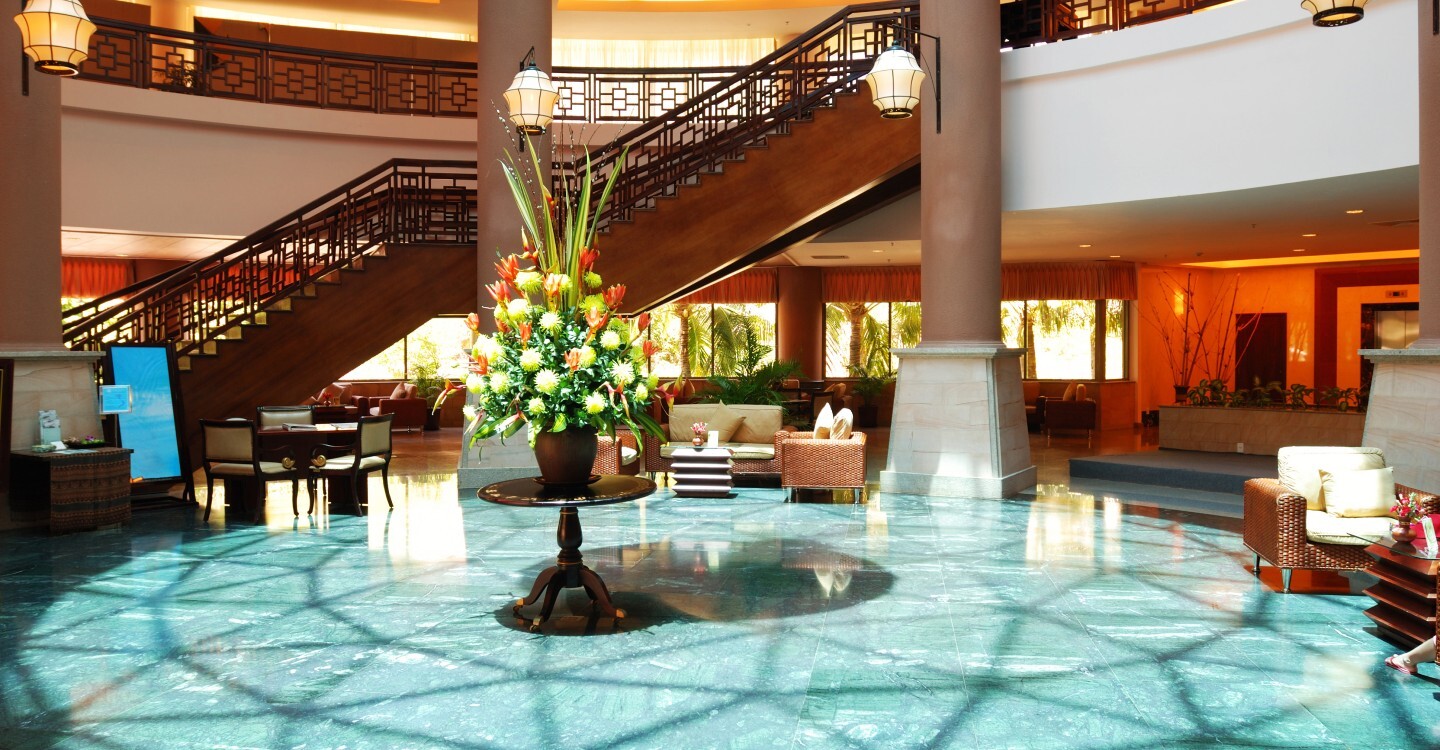
Long before a buyer steps into a living room or looks out from a balcony, a decision is already forming. It doesn’t happen consciously. It doesn’t wait for square footage or price-per-foot calculations. It happens at the moment of arrival.
The entrance is not a transition; it is a statement. And in real estate, statements shape belief.
The entrance is not a transition; it is a statement. And in real estate, statements shape belief.
First Impressions Are Neurological, Not Emotional
The human brain forms judgments within seconds of entering a new environment. Neuroscience tells us that before logic engages, the brain scans for cues of safety, quality, and belonging. Light levels, ceiling height, sound, scent, and spatial clarity are processed instantly, quietly deciding whether a place feels trustworthy, or forgettable.
This is why lobbies matter so profoundly. They do not persuade; they signal. And the signal is either strong or weak.
A buyer may not articulate why a space feels right, but the nervous system always knows.
This is why lobbies matter so profoundly. They do not persuade; they signal. And the signal is either strong or weak.
A buyer may not articulate why a space feels right, but the nervous system always knows.
Arrival Sets the Value Before the Price Is Spoken
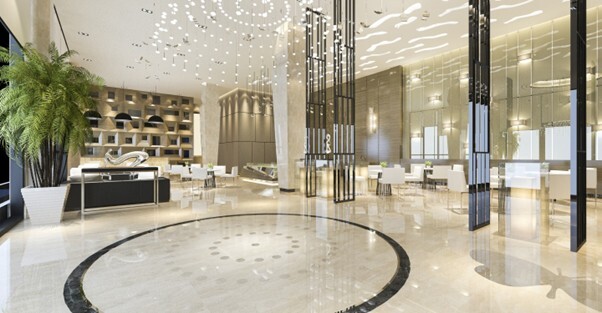
An entrance frames everything that follows. A compressed, dim, or confusing arrival lowers perceived value, no matter how beautiful the apartments above may be. Conversely, a calm, generous, well-composed lobby elevates expectation instantly.
When a buyer enters a building that feels intentional, composed, and effortless, the mind subconsciously justifies a higher standard throughout the rest of the journey. The price no longer feels ambitious; it feels aligned.
Value is felt before it is measured.
When a buyer enters a building that feels intentional, composed, and effortless, the mind subconsciously justifies a higher standard throughout the rest of the journey. The price no longer feels ambitious; it feels aligned.
The Lobby is the Building’s Body Language
Just as posture communicates confidence before words are spoken, lobby’s express identity without explanation. Materials speak of permanence or compromise. Proportions reveal whether a space is generous or merely functional. Lighting either soothes or unsettles.
Great lobbies do not try to impress, they reassure.
They say: you belong here.
They say: this was thought through.
They say: this building respects you.
And respect, more than luxury, is what buyers respond to.
Great lobbies do not try to impress, they reassure.
They say: you belong here.
They say: this was thought through.
They say: this building respects you.
And respect, more than luxury, is what buyers respond to.
Transition is Where Emotion is Built
Arrival is a psychological shift, from city to sanctuary, from public to personal. When this transition is rushed or ignored, the experience feels abrupt. When it is carefully choreographed, it becomes memorable.
This is why the most successful entrances slow you down. They create a gentle decompression through layered thresholds, canopies, setbacks, changes in texture, light, or sound. They allow the mind to arrive before the body does.
Emotion needs time. Great entrances give it space.
This is why the most successful entrances slow you down. They create a gentle decompression through layered thresholds, canopies, setbacks, changes in texture, light, or sound. They allow the mind to arrive before the body does.
Emotion needs time. Great entrances give it space.
Scale, Silence & the Power of Pause
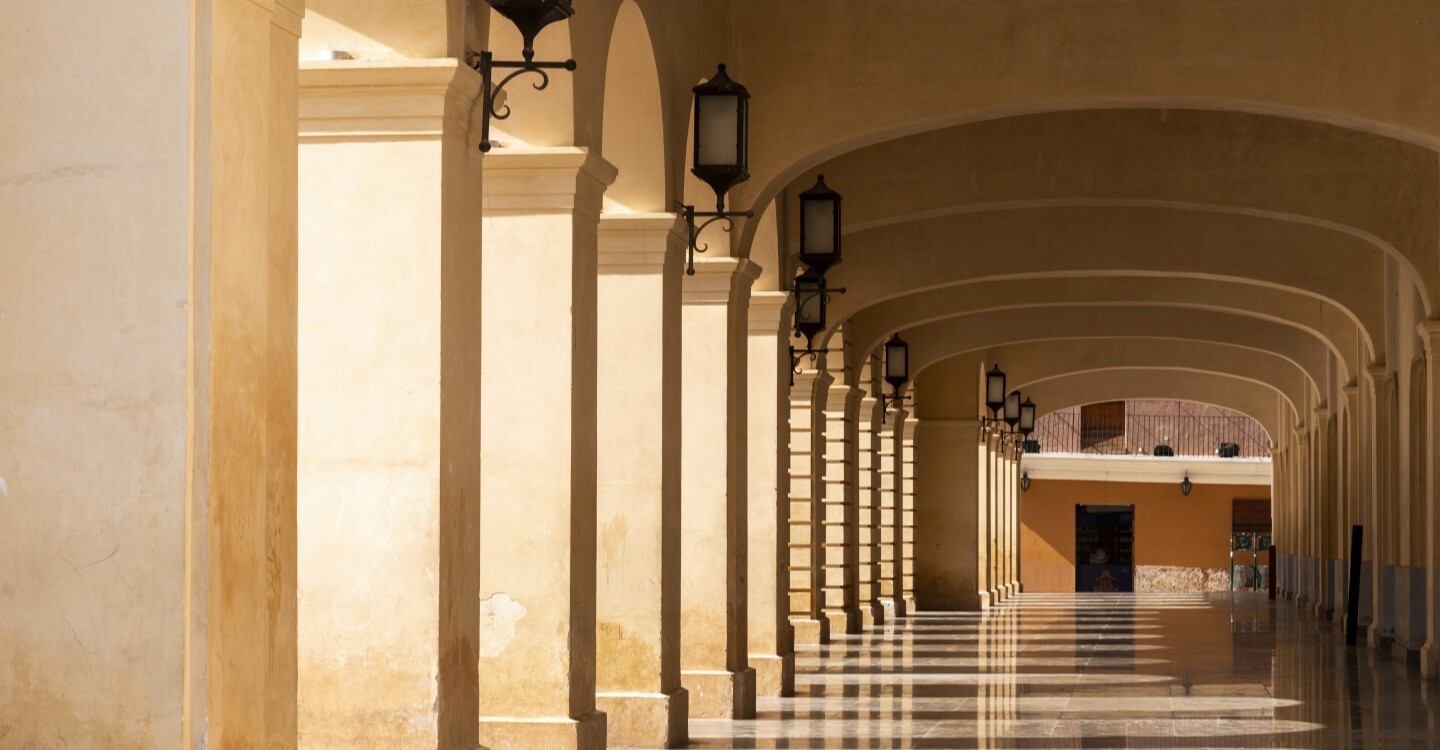
One of the most underestimated elements of lobby design is silence, not the absence of sound, but the absence of chaos. Clear sightlines, uncluttered layouts, and controlled acoustics create a sense of calm that buyers instinctively associate with quality living.
Double-height spaces, softened lighting, and tactile materials work together to create a pause, a moment where the buyer feels grounded, present, and open. That pause is where connection forms.
A well-designed lobby does not rush you forward; it invites you inward.
Double-height spaces, softened lighting, and tactile materials work together to create a pause, a moment where the buyer feels grounded, present, and open. That pause is where connection forms.
Why Buyers Remember How a Building Made Them Feel
People forget floor plans. They forget specifications. They even forget numbers. But they never forget how a place made them feel upon arrival.
This is because entrances anchor memory. They become the emotional reference point the brain returns to when comparing options. A strong arrival doesn’t shout; it lingers.
This is because entrances anchor memory. They become the emotional reference point the brain returns to when comparing options. A strong arrival doesn’t shout; it lingers.
If the entrance feels right, the rest of the building is given permission to succeed.
Arrival is Not an Add-On, it is the Beginning of the Story
In truly successful developments, the lobby is not treated as a leftover space or a decorative gesture. It is designed as the opening chapter of a lived experience. One that sets tone, expectation, and emotional trust.
Because in real estate, buyers don’t fall in love with layouts first. They fall in love with how a place welcomes them.
And once that feeling is established, everything else simply follows.
Because in real estate, buyers don’t fall in love with layouts first. They fall in love with how a place welcomes them.
And once that feeling is established, everything else simply follows.