
For most of history, cities were built around the distance people could comfortably walk. Before cars reshaped urban life in the 20th century, daily needs; markets, schools, workplaces and public squares; were typically located within a short radius of homes. These were called “walkable cities” where proximity defined how neighbourhoods functioned and how communities formed. Today, that same principle is being reconsidered through what planners call the 2km rule: the idea that when essential services and amenities sit within roughly two kilometres of where people live, it can significantly influence residents’ mobility, wellbeing and connection to their neighbourhood.
In urban real estate, location has always been one of the most powerful drivers of property value. But in fast-growing global cities, the definition of a “good location” is evolving. Today, proximity to daily life is what truly determines long-term demand.
The 2-kilometer rule suggests that properties located within roughly two kilometres of everyday essentials consistently outperform others in both buyer demand and resident retention. For investors, developers, and homeowners alike, this distance represents a practical threshold where convenience meets liveability.
In urban real estate, location has always been one of the most powerful drivers of property value. But in fast-growing global cities, the definition of a “good location” is evolving. Today, proximity to daily life is what truly determines long-term demand.
The 2-kilometer rule suggests that properties located within roughly two kilometres of everyday essentials consistently outperform others in both buyer demand and resident retention. For investors, developers, and homeowners alike, this distance represents a practical threshold where convenience meets liveability.
Why Two Kilometers Matters
Two kilometers might sound arbitrary at first, but in urban planning and real estate analysis it represents a powerful sweet spot. Within this range, residents can easily reach the services and destinations they use frequently.
In practical terms, two kilometers typically translates to:
This range allows residents to access essential amenities without committing to long commutes or heavy traffic. At the same time, it places homes just far enough away from the busiest zones to maintain comfort, privacy, and quieter living environments.
In a city like Dubai, where mobility, infrastructure, and mixed-use development are central to urban planning, the 2KM radius has become a reliable indicator of neighborhood performance.
In practical terms, two kilometers typically translates to:
- 5 to 7 minutes by car
- 10 to 15 minutes by bicycle
- 20 to 25 minutes on foot
This range allows residents to access essential amenities without committing to long commutes or heavy traffic. At the same time, it places homes just far enough away from the busiest zones to maintain comfort, privacy, and quieter living environments.
In a city like Dubai, where mobility, infrastructure, and mixed-use development are central to urban planning, the 2KM radius has become a reliable indicator of neighborhood performance.
The Lifestyle Factor in Dubai Real Estate
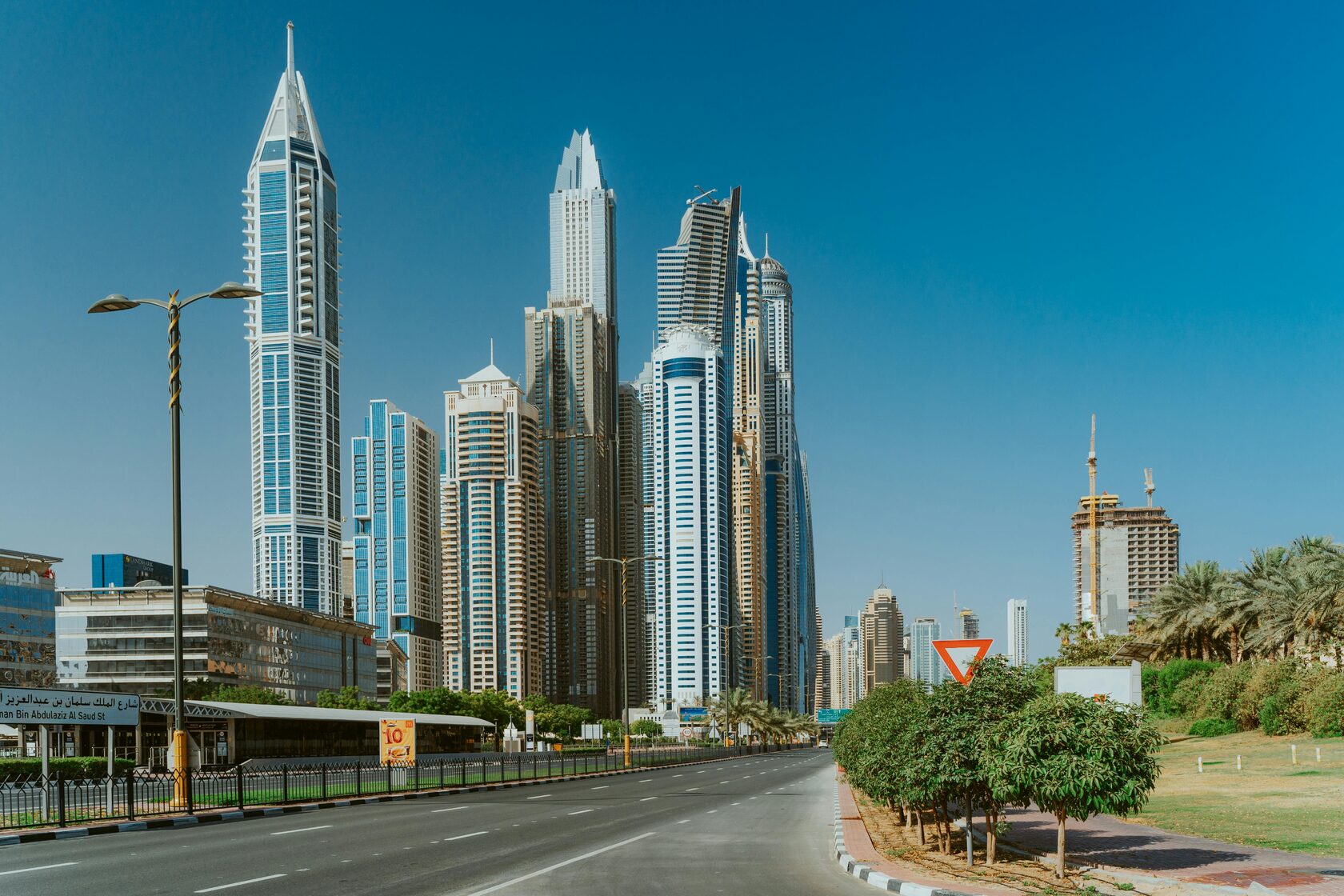
Dubai’s residential demand is heavily shaped by lifestyle considerations. Residents value efficiency and accessibility in their routines. With many professionals balancing demanding work schedules and family life, the ability to complete everyday tasks within minutes can significantly improve quality of life.
When destinations are nearby, residents spend less time commuting and more time enjoying their surroundings. This shift toward convenience is one reason why integrated communities across the city continue to see strong occupancy and stability.
Within Dubai, the highest-performing residential areas typically sit within two kilometers of several key amenities.
Business Hubs
Proximity to employment centers remains a major driver of residential demand. Communities located near major commercial districts allow professionals to significantly reduce commuting times.
Areas close to Dubai International Financial Centre, Dubai Internet City, and Business Bay consistently attract strong interest from both tenants and buyers because they offer quick access to workplaces while still maintaining residential comfort.
For many residents, the ability to reach the office in under ten minutes significantly improves work-life balance.
Schools and Education
Families prioritize access to reputable schools when selecting a home. Living within a short distance of educational institutions simplifies daily routines and reduces transportation stress.
Communities near leading schools, particularly in areas such as Dubai Knowledge Park, tend to retain residents for longer periods because families prefer stability once children are enrolled. This proximity often becomes a deciding factor for long-term renters and homeowners.
Supermarkets and Daily Retail
Everyday errands form a significant portion of daily life. Grocery shopping, pharmacy visits, and small household purchases become far easier when stores are located nearby.
Dubai’s integrated communities frequently include retail clusters anchored by supermarkets and convenience stores. Developments located close to shopping destinations such as Dubai Marina Mall or neighborhood retail centers offer residents the ability to complete routine tasks quickly without travelling across the city.
Healthcare Facilities
Access to healthcare is another essential component of residential desirability. Families, professionals, and retirees alike value living within a short distance of hospitals and clinics.
Properties located near medical hubs such as Dubai Healthcare City benefit from increased confidence among residents who appreciate knowing that healthcare services are readily accessible when needed.
Public Transport Connectivity
Despite Dubai’s car-centric infrastructure, public transport accessibility remains an important asset. Proximity to metro stations increases mobility, especially for professionals commuting to central business districts.
Communities near the Dubai Metro, particularly stations along Sheikh Zayed Road, tend to experience stronger rental demand because they provide an alternative to driving during peak hours.
Easy access to metro stations also broadens the tenant pool by appealing to both residents and corporate renters.
Lifestyle and Social Amenities
Finally, lifestyle offerings play a major role in shaping neighborhood appeal. Restaurants, cafés, fitness studios, and leisure destinations create vibrant environments where residents can relax and socialize close to home.
Locations near destinations such as City Walk and The Beach at JBR demonstrate how entertainment and lifestyle amenities can enhance residential demand by creating walkable, engaging communities.
These areas combine residential comfort with a lively social atmosphere that attracts both long-term residents and short-term visitors.
When destinations are nearby, residents spend less time commuting and more time enjoying their surroundings. This shift toward convenience is one reason why integrated communities across the city continue to see strong occupancy and stability.
Within Dubai, the highest-performing residential areas typically sit within two kilometers of several key amenities.
Business Hubs
Proximity to employment centers remains a major driver of residential demand. Communities located near major commercial districts allow professionals to significantly reduce commuting times.
Areas close to Dubai International Financial Centre, Dubai Internet City, and Business Bay consistently attract strong interest from both tenants and buyers because they offer quick access to workplaces while still maintaining residential comfort.
For many residents, the ability to reach the office in under ten minutes significantly improves work-life balance.
Schools and Education
Families prioritize access to reputable schools when selecting a home. Living within a short distance of educational institutions simplifies daily routines and reduces transportation stress.
Communities near leading schools, particularly in areas such as Dubai Knowledge Park, tend to retain residents for longer periods because families prefer stability once children are enrolled. This proximity often becomes a deciding factor for long-term renters and homeowners.
Supermarkets and Daily Retail
Everyday errands form a significant portion of daily life. Grocery shopping, pharmacy visits, and small household purchases become far easier when stores are located nearby.
Dubai’s integrated communities frequently include retail clusters anchored by supermarkets and convenience stores. Developments located close to shopping destinations such as Dubai Marina Mall or neighborhood retail centers offer residents the ability to complete routine tasks quickly without travelling across the city.
Healthcare Facilities
Access to healthcare is another essential component of residential desirability. Families, professionals, and retirees alike value living within a short distance of hospitals and clinics.
Properties located near medical hubs such as Dubai Healthcare City benefit from increased confidence among residents who appreciate knowing that healthcare services are readily accessible when needed.
Public Transport Connectivity
Despite Dubai’s car-centric infrastructure, public transport accessibility remains an important asset. Proximity to metro stations increases mobility, especially for professionals commuting to central business districts.
Communities near the Dubai Metro, particularly stations along Sheikh Zayed Road, tend to experience stronger rental demand because they provide an alternative to driving during peak hours.
Easy access to metro stations also broadens the tenant pool by appealing to both residents and corporate renters.
Lifestyle and Social Amenities
Finally, lifestyle offerings play a major role in shaping neighborhood appeal. Restaurants, cafés, fitness studios, and leisure destinations create vibrant environments where residents can relax and socialize close to home.
Locations near destinations such as City Walk and The Beach at JBR demonstrate how entertainment and lifestyle amenities can enhance residential demand by creating walkable, engaging communities.
These areas combine residential comfort with a lively social atmosphere that attracts both long-term residents and short-term visitors.
The Retention Advantage
Perhaps the most important benefit of the 2KM principle is resident retention. When daily errands can be completed within ten minutes, the overall living experience becomes significantly smoother.
Shorter travel times reduce stress, simplify routines, and allow residents to spend more time with family or pursuing personal interests. Over time, these small conveniences accumulate into a major lifestyle advantage.
For landlords and developers, this translates into lower tenant turnover and more stable occupancy levels. In a competitive real estate market, convenience becomes one of the most powerful drivers of loyalty.
Shorter travel times reduce stress, simplify routines, and allow residents to spend more time with family or pursuing personal interests. Over time, these small conveniences accumulate into a major lifestyle advantage.
For landlords and developers, this translates into lower tenant turnover and more stable occupancy levels. In a competitive real estate market, convenience becomes one of the most powerful drivers of loyalty.
A Simple Rule With Strong Impact
Dubai’s real estate market is known for its iconic architecture and ambitious developments, but long-term performance often depends on accessibility to daily life.
The 2KM rule highlights a fundamental truth about modern urban living; residents want their homes to be connected to the places they visit most frequently.
When business hubs, schools, healthcare, supermarkets, transport, and lifestyle amenities all sit within a two-kilometer radius, a community becomes a place where life flows efficiently.
The 2KM rule highlights a fundamental truth about modern urban living; residents want their homes to be connected to the places they visit most frequently.
When business hubs, schools, healthcare, supermarkets, transport, and lifestyle amenities all sit within a two-kilometer radius, a community becomes a place where life flows efficiently.