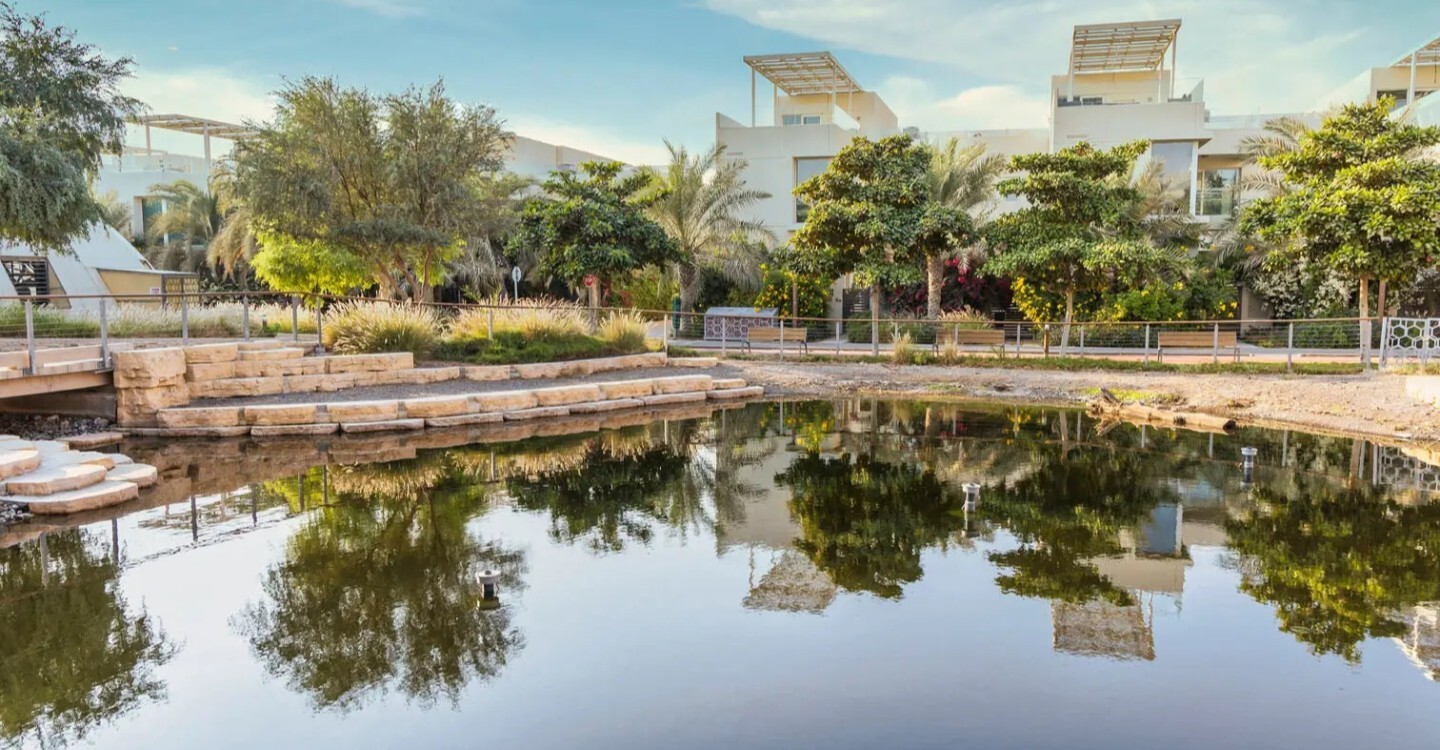
Centuries ago, a home represented shelter. Today, it’s a shared ecosystem that nurtures every form of life within it.
It breathes through its plants, moves with its pets, and reflects the pulse of its people.
The new era of design understands that a home’s vitality depends not just on human comfort, but on the collective well-being of all its inhabitants, whether human, animal, or plant.
Across the world, architecture and interior design are evolving from “human-centred” to life-centred thinking, a philosophy grounded in ecology and empathy. Research by the WELL Building Institute shows that integrating natural elements indoors can reduce stress by up to 30%, while increasing productivity and emotional well-being.
When spaces embrace nature, they don’t just look better, they feel alive.
It breathes through its plants, moves with its pets, and reflects the pulse of its people.
The new era of design understands that a home’s vitality depends not just on human comfort, but on the collective well-being of all its inhabitants, whether human, animal, or plant.
Across the world, architecture and interior design are evolving from “human-centred” to life-centred thinking, a philosophy grounded in ecology and empathy. Research by the WELL Building Institute shows that integrating natural elements indoors can reduce stress by up to 30%, while increasing productivity and emotional well-being.
When spaces embrace nature, they don’t just look better, they feel alive.
The Living Museum Concept
Homes today are being reimagined as living museums, not static galleries of furniture, but dynamic environments that grow and adapt. Walls that once isolated us from the outdoors are giving way to green courtyards, cross-ventilated layouts, and shaded terraces that invite the outside in.
In this new kind of home, every element contributes to the rhythm of life. Plants regulate humidity, filter air, and soften light, NASA’s Clean Air Study found that houseplants can remove up to 87% of airborne toxins within 24 hours.
Pets bring motion, warmth, and companionship into daily life, with studies showing that living with animals can lower blood pressure and reduce anxiety levels by 25%.
Humans, in turn, provide the rhythm of care, the act of watering, feeding, and tending that completes the cycle of coexistence. Together, they create harmony: a living loop of vitality where each being supports the other.
In this new kind of home, every element contributes to the rhythm of life. Plants regulate humidity, filter air, and soften light, NASA’s Clean Air Study found that houseplants can remove up to 87% of airborne toxins within 24 hours.
Pets bring motion, warmth, and companionship into daily life, with studies showing that living with animals can lower blood pressure and reduce anxiety levels by 25%.
Humans, in turn, provide the rhythm of care, the act of watering, feeding, and tending that completes the cycle of coexistence. Together, they create harmony: a living loop of vitality where each being supports the other.
Designing with Life in Mind
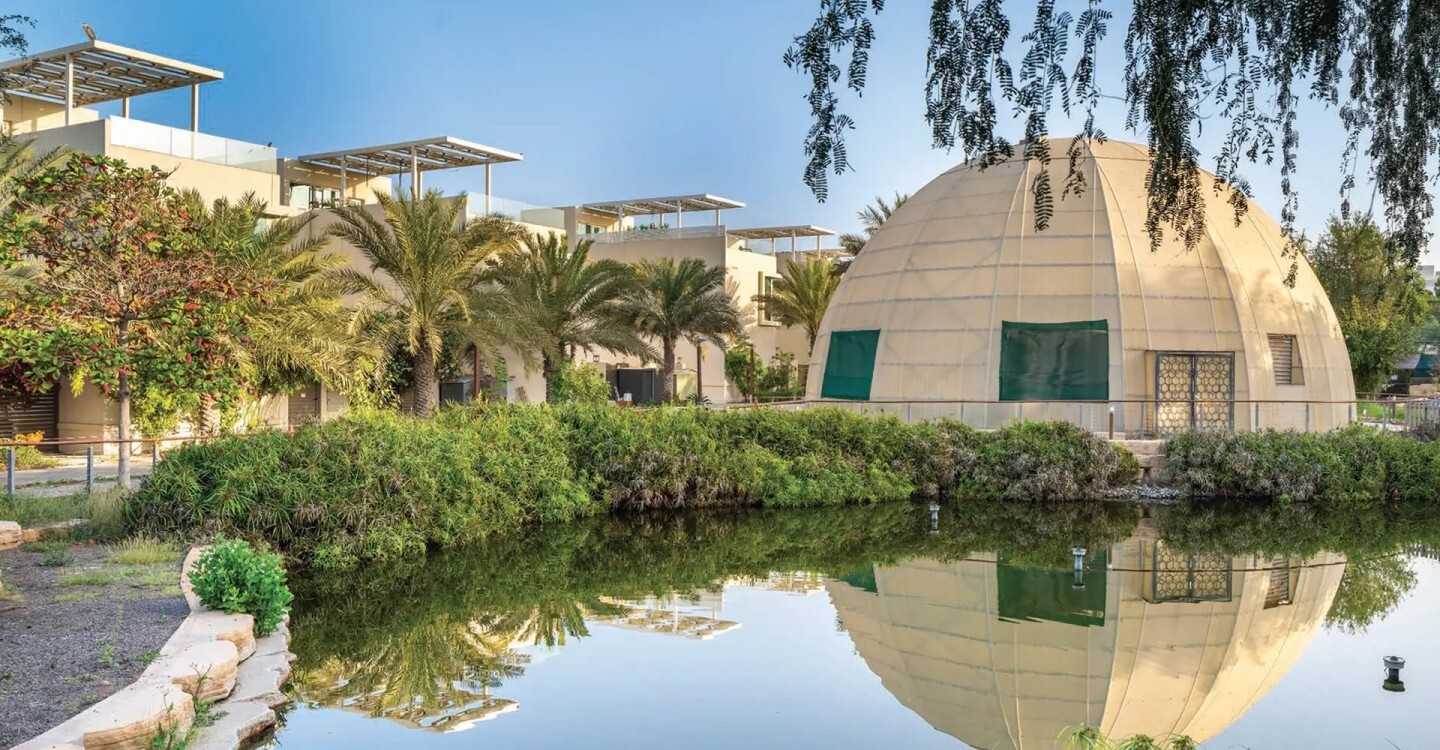
Designers around the world are weaving this philosophy into reality through biophilic design, a discipline that reconnects built spaces with nature. From vertical gardens and smart irrigation systems to sun-responsive facades, architecture is now working with nature rather than against it.
Dubai is embracing this life-first design movement. In communities like Al Barari and The Sustainable City, green corridors, shaded trails, and water features are used to create microclimates that reduce heat while supporting biodiversity.
Rooftop gardens lower indoor temperatures, while natural ventilation strategies minimize energy use. These designs reflect an awareness that sustainability isn’t a distant environmental goal, it begins at home, through the design decisions we make every day.
In Singapore, for example, the Oasia Hotel Downtown replaces conventional cladding with 21 species of vines and flowers, transforming the façade into a vertical ecosystem that cools the city air.
In Tokyo, the trend known as Barkitecture introduces interiors tailored for pets, blending functional animal pathways and play zones seamlessly into modern aesthetics.
Dubai is embracing this life-first design movement. In communities like Al Barari and The Sustainable City, green corridors, shaded trails, and water features are used to create microclimates that reduce heat while supporting biodiversity.
Rooftop gardens lower indoor temperatures, while natural ventilation strategies minimize energy use. These designs reflect an awareness that sustainability isn’t a distant environmental goal, it begins at home, through the design decisions we make every day.
In Singapore, for example, the Oasia Hotel Downtown replaces conventional cladding with 21 species of vines and flowers, transforming the façade into a vertical ecosystem that cools the city air.
In Tokyo, the trend known as Barkitecture introduces interiors tailored for pets, blending functional animal pathways and play zones seamlessly into modern aesthetics.
A Lesson from the Pandemic Years
The global lockdowns changed how we experience our spaces. Confined indoors, people discovered the deep psychological effects of environment. A 2022 study by Harvard’s School of Public Health revealed that access to natural light and indoor greenery during confinement improved mood stability by 40%.
As a result, homeowners began transforming their spaces into ecosystems that supported not just work and leisure, but emotional balance and connection. Comfort, in its truest sense, became synonymous with life.
As a result, homeowners began transforming their spaces into ecosystems that supported not just work and leisure, but emotional balance and connection. Comfort, in its truest sense, became synonymous with life.
Reimagining Comfort and Coexistence
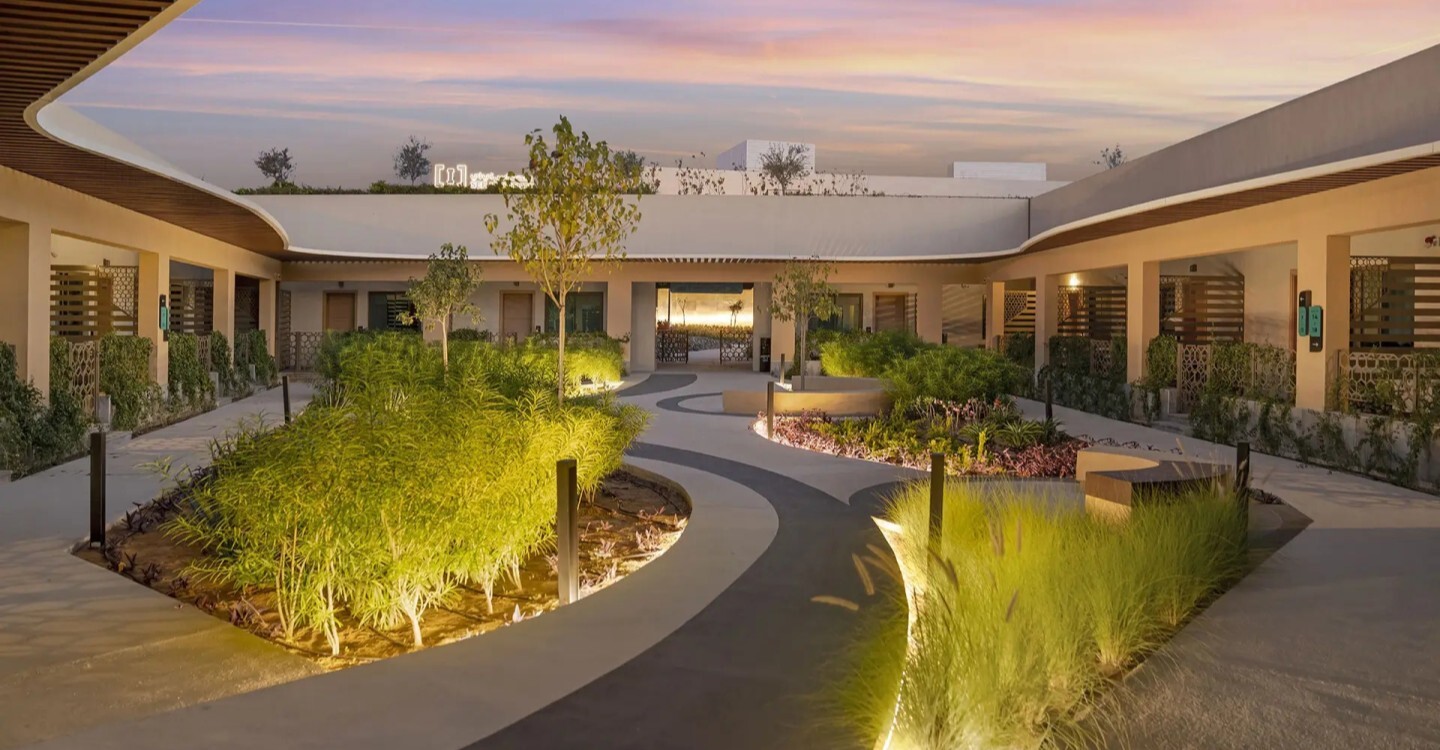
In this new design era, comfort means more than soft furniture or elegant finishes, it means creating environments that breathe, respond, and interact. Pet-inclusive materials such as durable terrazzo and stone flooring merge style with function.
Living walls enhance air quality and aesthetics. Even subtle choices, like orienting furniture toward sunlight, using sound-absorbing organic materials, or positioning greenery near airflow paths, become gestures of empathy toward living beings.
The home, then, becomes a sensorial experience: a place where texture, scent, and movement align to create balance between people, plants, and animals.
Living walls enhance air quality and aesthetics. Even subtle choices, like orienting furniture toward sunlight, using sound-absorbing organic materials, or positioning greenery near airflow paths, become gestures of empathy toward living beings.
The home, then, becomes a sensorial experience: a place where texture, scent, and movement align to create balance between people, plants, and animals.
Homes That Breathe Back
Ultimately, the most advanced homes are not static structures, but responsive organisms. They react to climate, adapt to light, and evolve with their inhabitants. They teach us that sustainability is not just a technical concept, but a living relationship, one that ties our comfort to the vitality of the world around us.
In this balance of people, plants, and animals lies the future of modern living.
Because homes that care don’t simply protect life, they participate in it.
In this balance of people, plants, and animals lies the future of modern living.
Because homes that care don’t simply protect life, they participate in it.