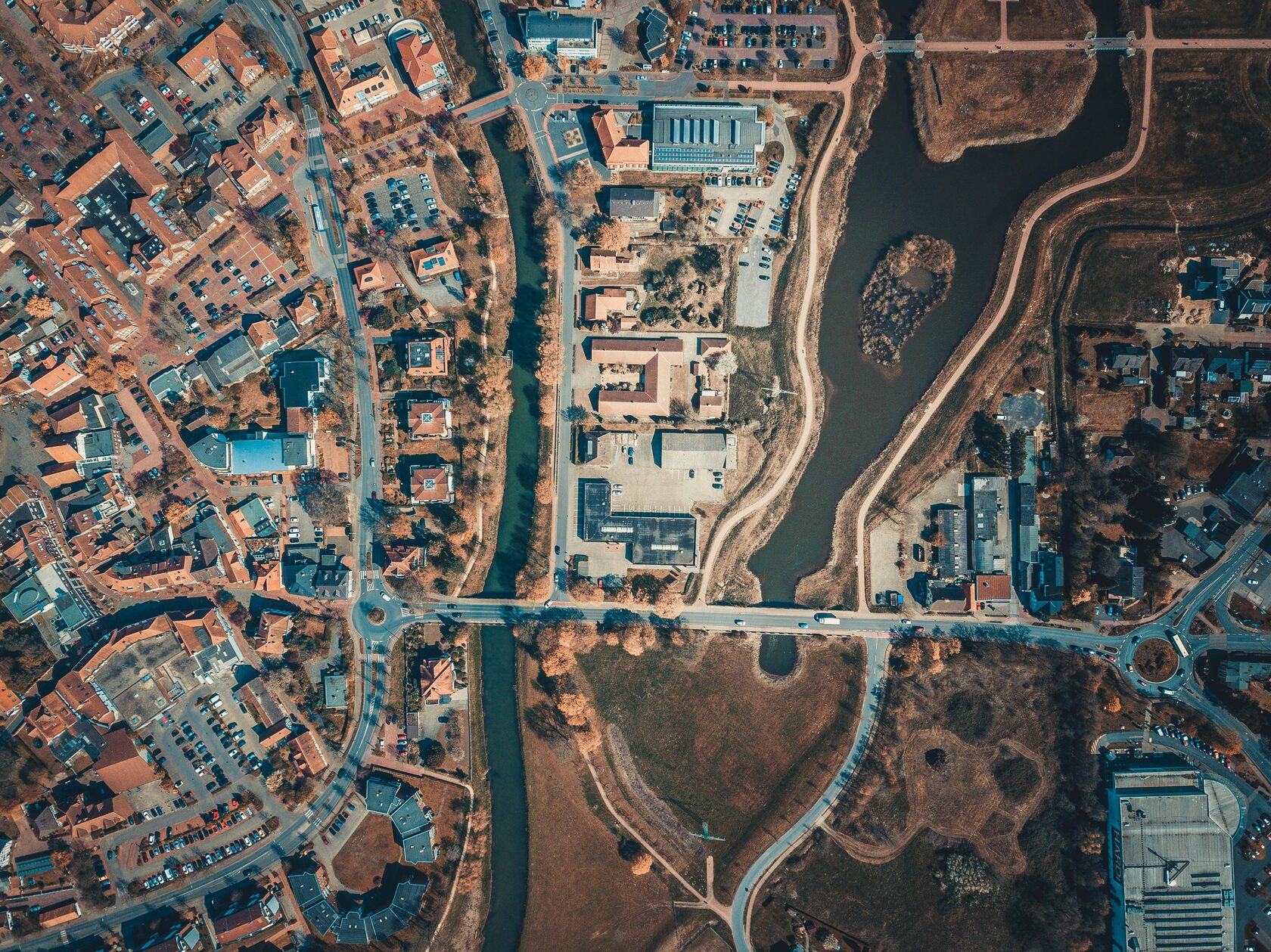
Dubai’s 2040 Urban Master Plan is an ambitious roadmap that sets out how the emirate will grow physically, socially, and economically over two decades. At its core, the strategy reimagines urban space to create vibrant, sustainable, and inclusive communities. But for investors, developers, and homeowners, its most compelling impact is in reshaping Dubai’s real estate market, steering demand, guiding districts, and unveiling value across residential and commercial sectors.
What Is The Dubai 2040 Urban Master Plan?
Launched in 2021 by the Dubai Municipality, the Dubai 2040 Urban Masterplan was designed to guide Dubai’s growth through coordinated land use, infrastructure development, and economic strategy, reinforcing the city’s global competitiveness while enhancing quality of life for residents and investors alike.
Rather than a single project, the plan functions as an overarching framework that directs all subsequent city planning decisions. Its primary goals include optimizing space and infrastructure utilization, fostering vibrant, healthy communities with diverse housing, increasing accessibility and mobility, and strengthening Dubai’s economic land base to attract investment and talent.
Rather than a single project, the plan functions as an overarching framework that directs all subsequent city planning decisions. Its primary goals include optimizing space and infrastructure utilization, fostering vibrant, healthy communities with diverse housing, increasing accessibility and mobility, and strengthening Dubai’s economic land base to attract investment and talent.
Why The Master Plan Was Initiated
Dubai’s leaders initiated the 2040 plan for several strategic reasons:
- Population Growth and Urbanization: Dubai’s population is expected to rise sharply over the next two decades, bringing increased demand for housing, services, and urban amenities. The plan prepares the city for this expansion in a measured and efficient way.
- Economic Diversification: Dubai’s economy, and particularly its real estate sector, must align with broader diversification goals, including tourism, innovation, logistics, and research-based scientific industries.
- Livability and Sustainability: Enhancing livability, through green spaces, walkable neighborhoods, and public transport, was central to the vision. The plan is tied to broader national objectives like the UAE’s 2031 “We the UAE” Vision and Net Zero 2050 ambitions.
Progress Since Its Inception
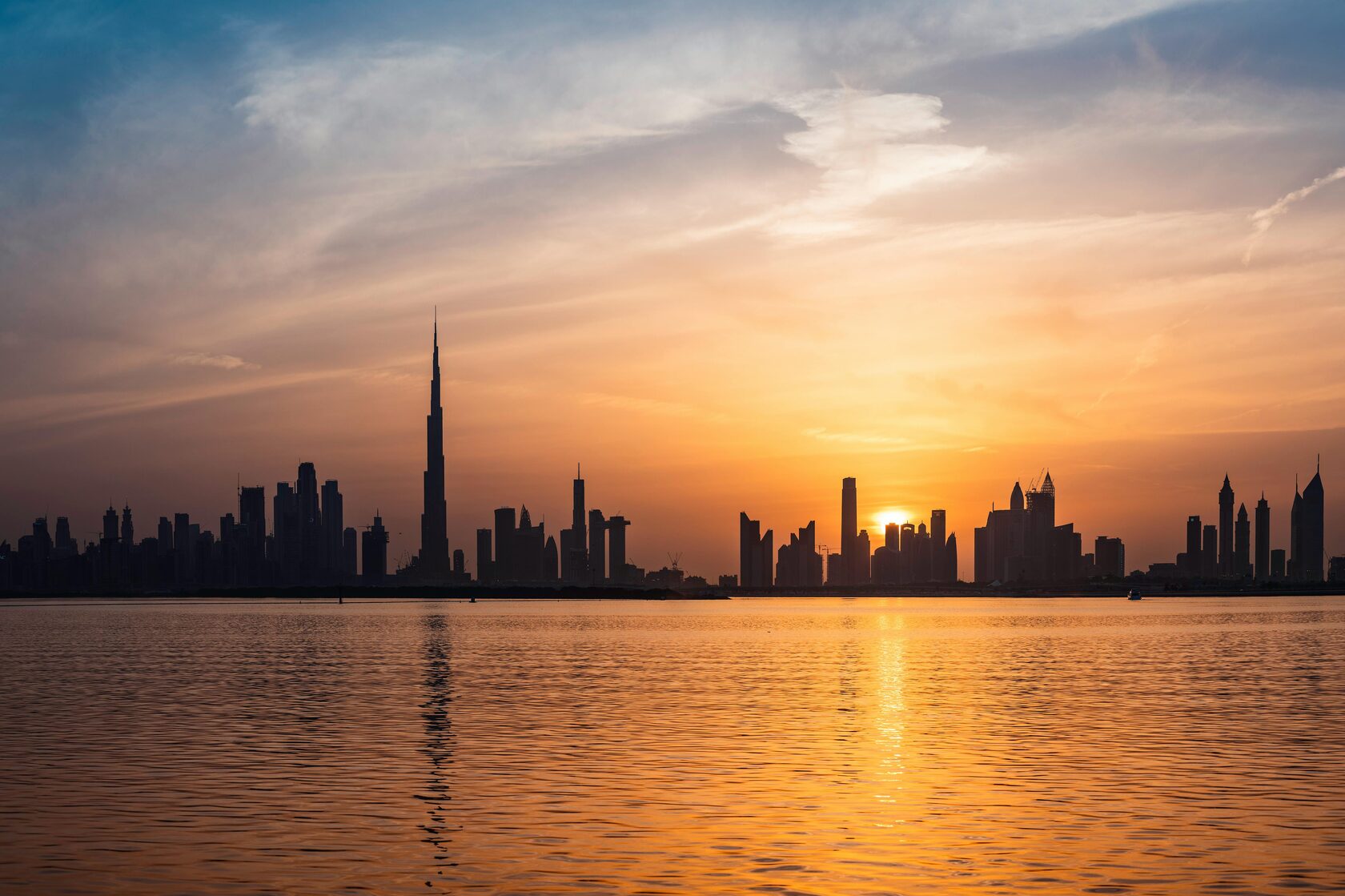
Since its adoption in March 2021, the Dubai 2040 Master Plan has transitioned from concept to tangible change. Progress has unfolded in several layers:
Phase Implementation & Governance
The Supreme Committee for Urban Planning, comprising government authorities and planning experts, is guiding execution. As of late 2025, several key initiatives under Phase 1 have been completed or are nearing completion. These include:
Infrastructure and Transit Progress
Connectivity enhancements are well underway; the blue line metro expansion, comprehensive pedestrian and cycling networks, and transit-oriented developments are being rolled out in line with the city’s 20-minute city concept, where daily needs are accessible within a 20-minute walk or transit trip.
Active Urban Centers and Mixed-Use Hubs
The plan identifies five urban centers, existing hubs like Deira, Downtown, and Dubai Marina, along with ambitious new centers such as Expo City and Dubai Silicon Oasis. These zones are rapidly becoming focal points for economic activity, innovation, and real estate development, attracting both residents and businesses.
Real Estate: The Game-Changer
More than any other sector, real estate sits at the heart of the Dubai 2040 Urban Master Plan. While framed as an urban and social strategy, the plan is fundamentally a long-term land-use and capital-allocation blueprint; one that directly influences where development happens, what is built, and how value is created across the market.
Unlike previous growth cycles driven largely by market momentum, Dubai’s 2040 Masterplan introduces state-led clarity. It designates growth corridors, prioritizes infrastructure investment, and limits urban sprawl — all of which reduces speculative risk for developers and investors. In practical terms, this transforms real estate from opportunistic development into strategic and aligned investment.
Residential Demand Across Segments
The plan’s emphasis on sustainable, mixed-use communities is accelerating residential demand:
Commercial and Mixed-Use Opportunity Zones
Urban centers like Expo City and Dubai Silicon Oasis are now viewed as strategic investment areas, combining residential living, offices, tourism, and technology hubs. Government-backed developments in these districts tend to trade at premiums due to scarcity, early infrastructure delivery, and strong tenant demand.
Phase Implementation & Governance
The Supreme Committee for Urban Planning, comprising government authorities and planning experts, is guiding execution. As of late 2025, several key initiatives under Phase 1 have been completed or are nearing completion. These include:
- Dubai’s National Housing Policy, backed by a historic AED 65 billion budget, has doubled land allocations for citizens’ housing to over 1.7 million square feet.
- Urban legal and regulatory frameworks, including drafting new planning laws and creating data-driven planning tools.
- Expansion of planning frameworks for rural areas, improving connectivity between urban cores and peripheral communities.
Infrastructure and Transit Progress
Connectivity enhancements are well underway; the blue line metro expansion, comprehensive pedestrian and cycling networks, and transit-oriented developments are being rolled out in line with the city’s 20-minute city concept, where daily needs are accessible within a 20-minute walk or transit trip.
Active Urban Centers and Mixed-Use Hubs
The plan identifies five urban centers, existing hubs like Deira, Downtown, and Dubai Marina, along with ambitious new centers such as Expo City and Dubai Silicon Oasis. These zones are rapidly becoming focal points for economic activity, innovation, and real estate development, attracting both residents and businesses.
Real Estate: The Game-Changer
More than any other sector, real estate sits at the heart of the Dubai 2040 Urban Master Plan. While framed as an urban and social strategy, the plan is fundamentally a long-term land-use and capital-allocation blueprint; one that directly influences where development happens, what is built, and how value is created across the market.
Unlike previous growth cycles driven largely by market momentum, Dubai’s 2040 Masterplan introduces state-led clarity. It designates growth corridors, prioritizes infrastructure investment, and limits urban sprawl — all of which reduces speculative risk for developers and investors. In practical terms, this transforms real estate from opportunistic development into strategic and aligned investment.
Residential Demand Across Segments
The plan’s emphasis on sustainable, mixed-use communities is accelerating residential demand:
- Affordable and mid-range housing is being actively developed within integrated communities designed around transport access and essential services.
- Premium and luxury segments continue to benefit from waterfront and amenity-rich developments, especially as beachfront access continues expanding.
- The national housing policy anchored in the masterplan is also expanding homeownership for Emirati citizens, stabilizing long-term demand.
Commercial and Mixed-Use Opportunity Zones
Urban centers like Expo City and Dubai Silicon Oasis are now viewed as strategic investment areas, combining residential living, offices, tourism, and technology hubs. Government-backed developments in these districts tend to trade at premiums due to scarcity, early infrastructure delivery, and strong tenant demand.
Looking Ahead: Real Estate in 2040
By 2040, Dubai’s real estate ecosystem will be deeply shaped by this master plan; in how and where people live, work, and invest. With alignment to broader economic agendas and continued infrastructure rollout, property markets in designated growth zones will likely see sustained appreciation, evolving to strategic, long-term assets.
In essence, the Dubai 2040 Urban Master Plan is a blueprint for real estate transformation, one that many investors around the world are watching closely.
In essence, the Dubai 2040 Urban Master Plan is a blueprint for real estate transformation, one that many investors around the world are watching closely.