Before a building comes to life, it takes years of planning, sketching, designing, debating, and refining. And yet, some of the most iconic structures in the world exist not because everything went according to plan; but because it didn't. These are the beautiful mistakes that became legends.
The Leaning Tower of Pisa, Italy
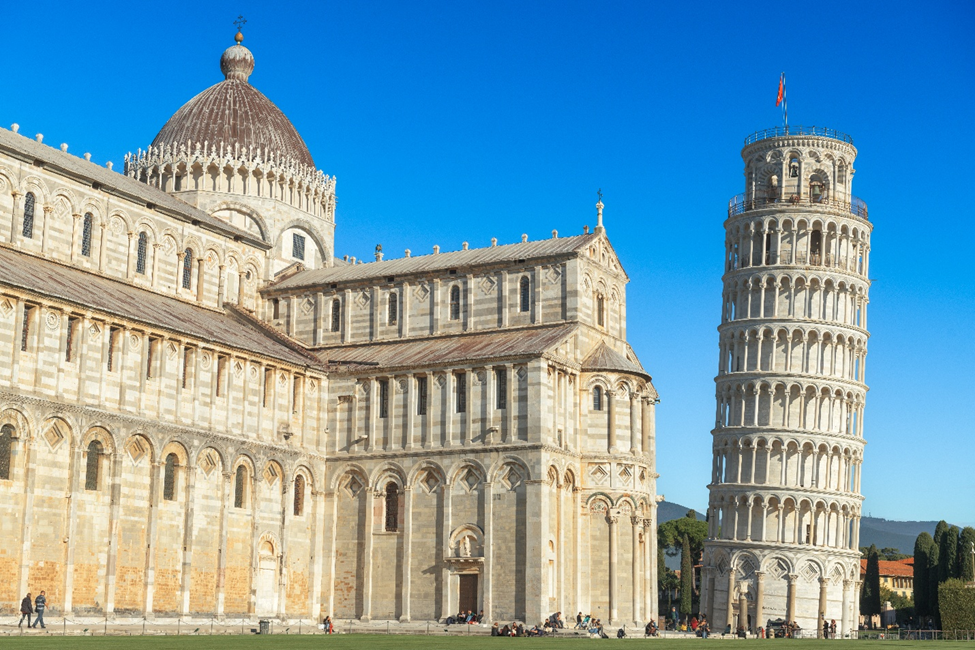
If you’ve ever visited Italy, or even just scrolled through travel photos, you’ve likely seen that iconic shot: people playfully leaning against a tower as if they’re holding it up. But the illusion works both ways. It’s not just the people leaning, the tower itself is famously tilted, turning a simple structure into one of the world’s most recognizable landmarks.
The Leaning Tower of Pisa owes its entire identity to a construction error. Work began in 1173, and within a few floors, the ground beneath one side began to sink. The soil was too soft, too unstable, and the foundation too shallow to compensate. Construction was paused multiple times over nearly 200 years, and by the time it was complete, the tilt was undeniable.
Today, the lean, carefully stabilized but never fully corrected, draws millions of visitors every year. This is a mistake that turned magnificent.
The Leaning Tower of Pisa owes its entire identity to a construction error. Work began in 1173, and within a few floors, the ground beneath one side began to sink. The soil was too soft, too unstable, and the foundation too shallow to compensate. Construction was paused multiple times over nearly 200 years, and by the time it was complete, the tilt was undeniable.
Today, the lean, carefully stabilized but never fully corrected, draws millions of visitors every year. This is a mistake that turned magnificent.
The Eiffel Tower, France
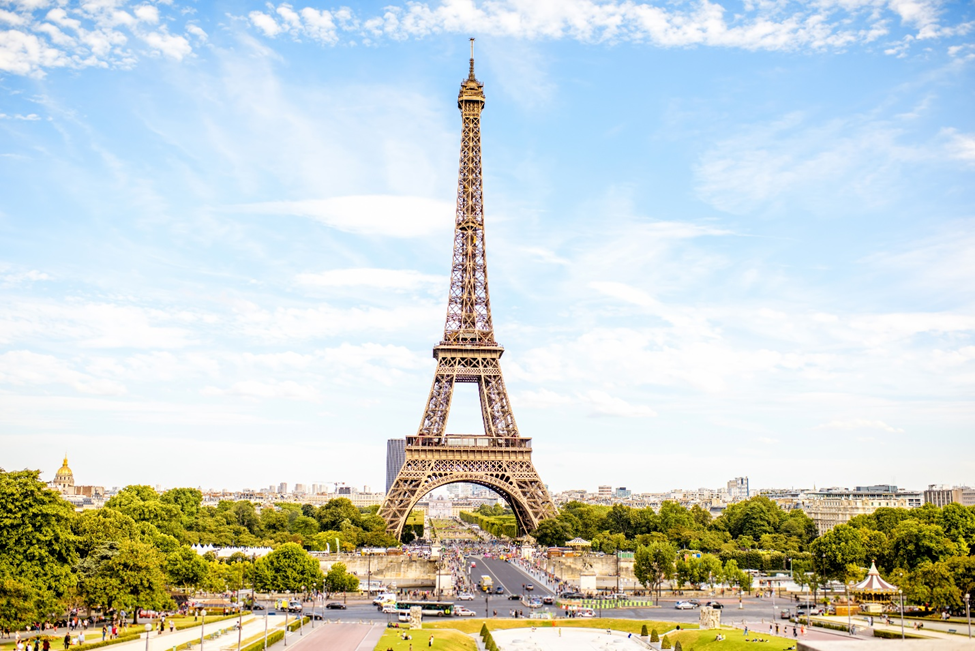
The Eiffel Tower, designed by Gustave Eiffel's company, was initially built to celebrate the 1889 World's Fair in Paris. When the design was first introduced, the crowd wasn’t impressed – in fact they called it an eyesore; an ugly steel structure ruining the Parisian skyline.
The tower was never meant to be permanent. With a permit to stand for 20 years only, it was scheduled for demolition in 1909 but later kept because of its importance for wireless telegraphy.
Today, the Eiffel Tower is one of the most visited places on earth, welcoming nearly seven million people a year.
The tower was never meant to be permanent. With a permit to stand for 20 years only, it was scheduled for demolition in 1909 but later kept because of its importance for wireless telegraphy.
Today, the Eiffel Tower is one of the most visited places on earth, welcoming nearly seven million people a year.
The Walkie Talkie Building, London
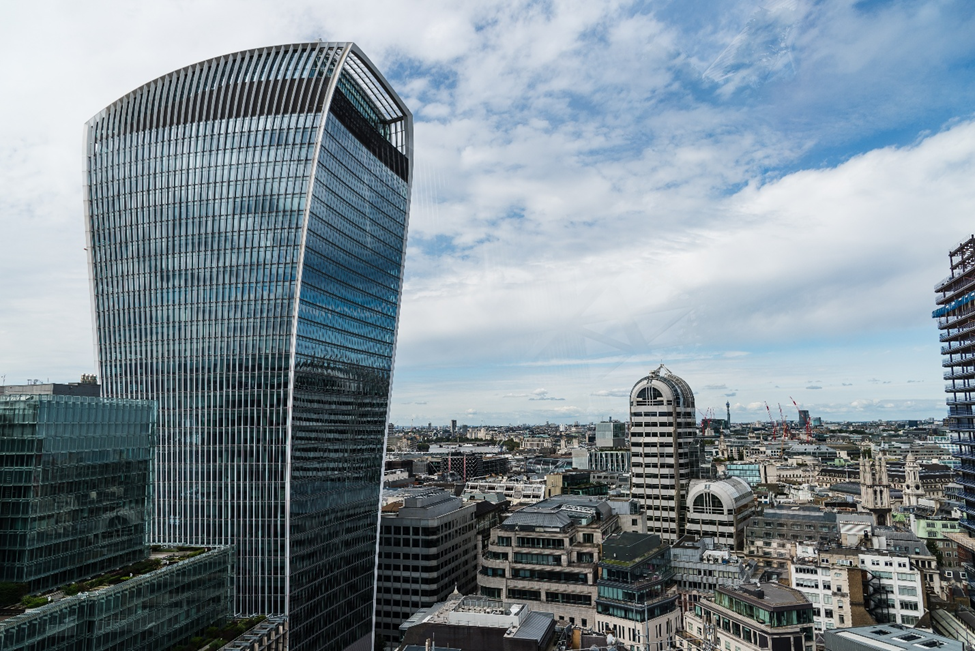
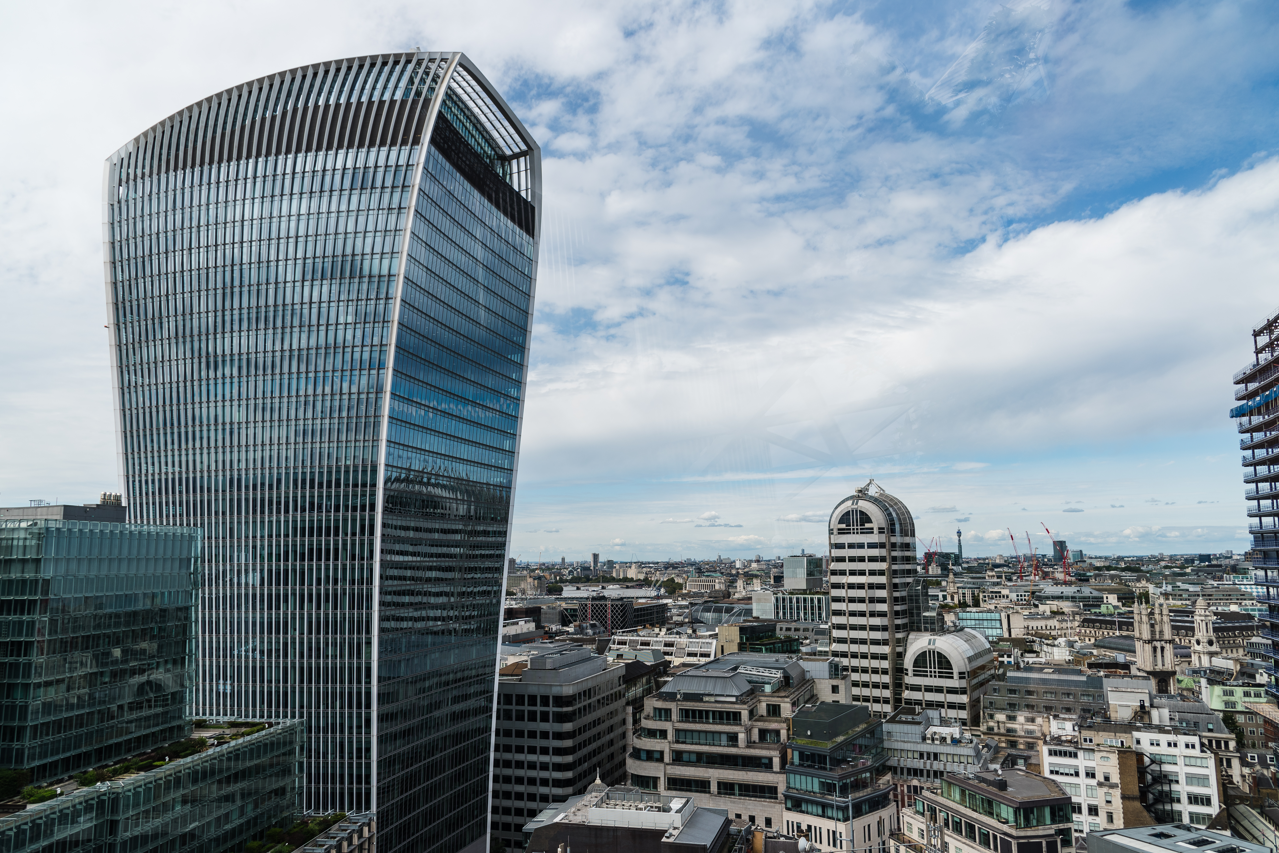
Not all beautiful mistakes are entirely charming. When 20 Fenchurch Street, better known as the Walkie Talkie, was completed in London in 2014, its bold, curved facade was celebrated as a striking addition to the city's skyline. What architects did not fully anticipate was what would happen when the sun hit it at the right angle.
The façade’s shape acts as a giant concave mirror, focusing and intensifying sunlight onto the streets below. Spot temperature readings at street-level including up to 91 °C (196 °F) and 117 °C (243 °F) were observed. In the Summer of 2013, the reflected beam was measured at temperatures hot enough to fry an egg, and reportedly melted parts of a parked vehicle, whose owner was paid compensation by the developer to repair the melted bodywork.
To fix this issue, temporary shading was installed while a permanent solution was engineered.
Conclusion
Not every flaw needs fixing. Sometimes, it needs time. These buildings remind us that perfection isn’t always the goal, and that what begins as an oversight can evolve into identity, character, and even global admiration. In architecture, as in life, some of the most remarkable outcomes are the ones no one planned for.
The façade’s shape acts as a giant concave mirror, focusing and intensifying sunlight onto the streets below. Spot temperature readings at street-level including up to 91 °C (196 °F) and 117 °C (243 °F) were observed. In the Summer of 2013, the reflected beam was measured at temperatures hot enough to fry an egg, and reportedly melted parts of a parked vehicle, whose owner was paid compensation by the developer to repair the melted bodywork.
To fix this issue, temporary shading was installed while a permanent solution was engineered.
Conclusion
Not every flaw needs fixing. Sometimes, it needs time. These buildings remind us that perfection isn’t always the goal, and that what begins as an oversight can evolve into identity, character, and even global admiration. In architecture, as in life, some of the most remarkable outcomes are the ones no one planned for.