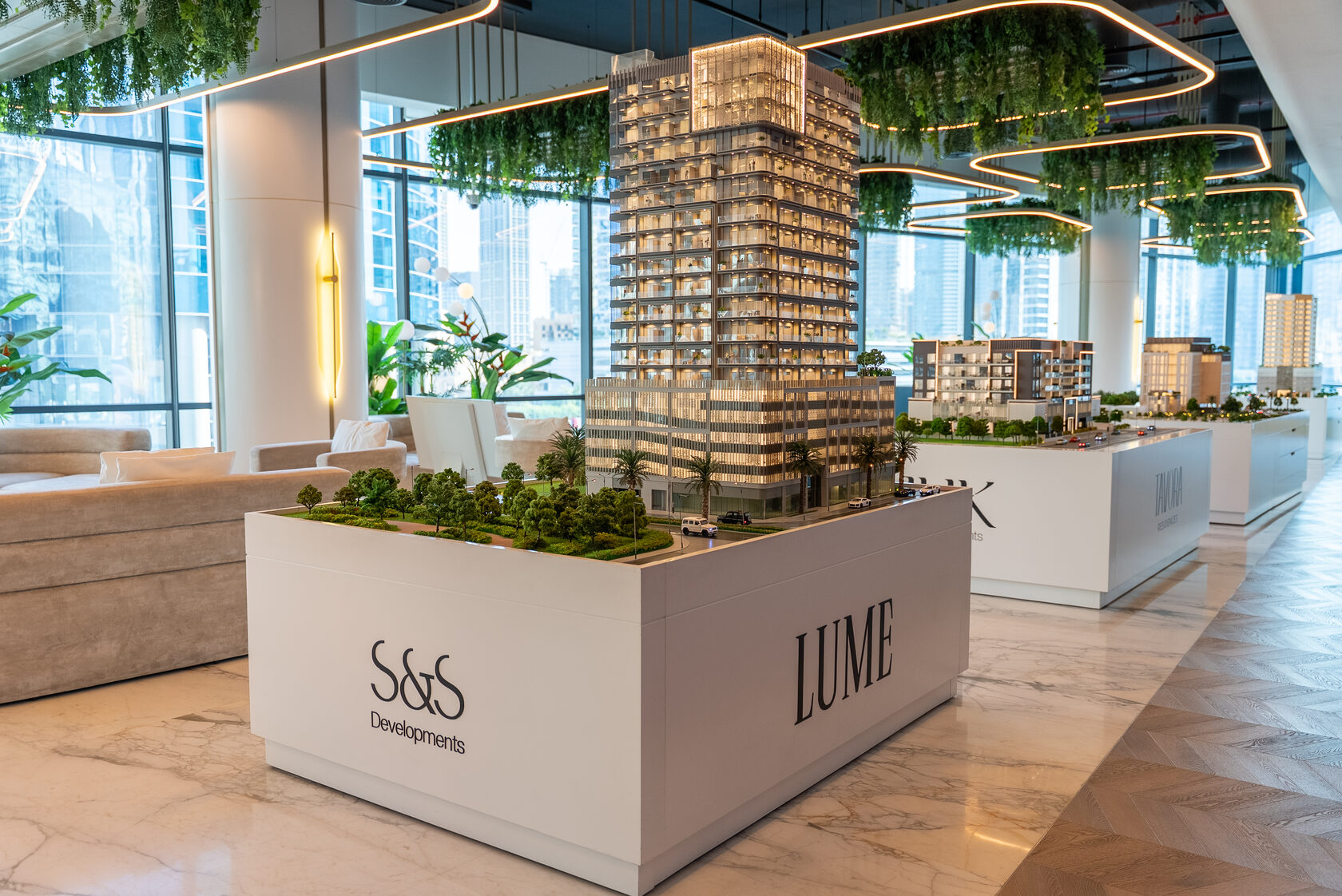
Picture buying your dream home before it’s even built. That’s the magic of mockup models, a foundation of modern real estate development that turns abstract plans into reality. Much more than images, mock-ups help developers, investors and buyers see the future before it happens.
Why Mockups Matter
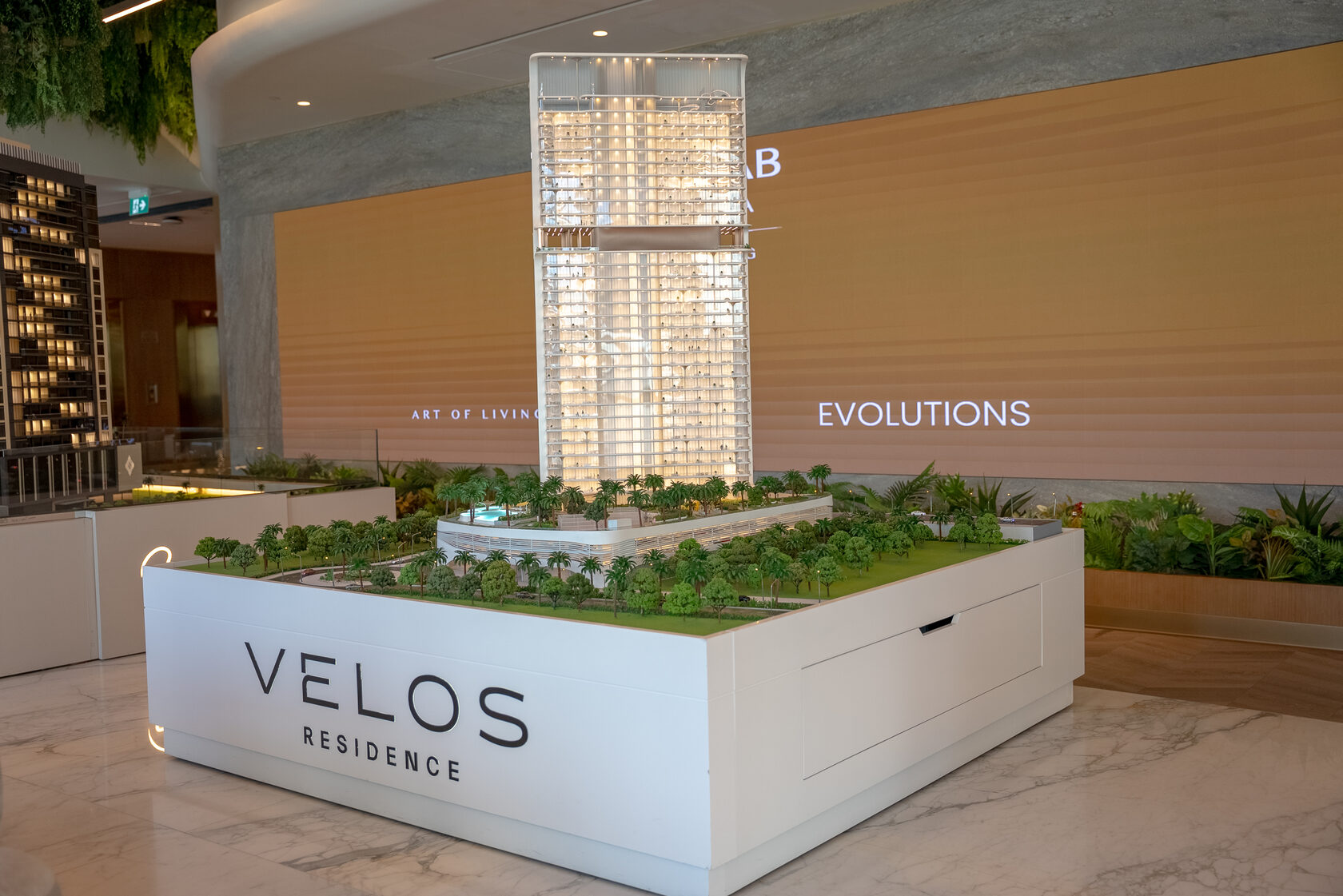
Mockup models have several uses in real estate. For one, they offer the kind of visual clarity necessary for anyone to grasp the size, layouts, design and other details in a project. For investors and buyers, seeing a tangible representation of a development lowers uncertainty provides peace of mind.
As for developers, mockups are a powerful marketing asset that helps showcase the project’s quality and translate the developer’s vision to clients, creating excitement and driving early sales.
As for developers, mockups are a powerful marketing asset that helps showcase the project’s quality and translate the developer’s vision to clients, creating excitement and driving early sales.
Types of Mockup Models
1. Physical Scale Models
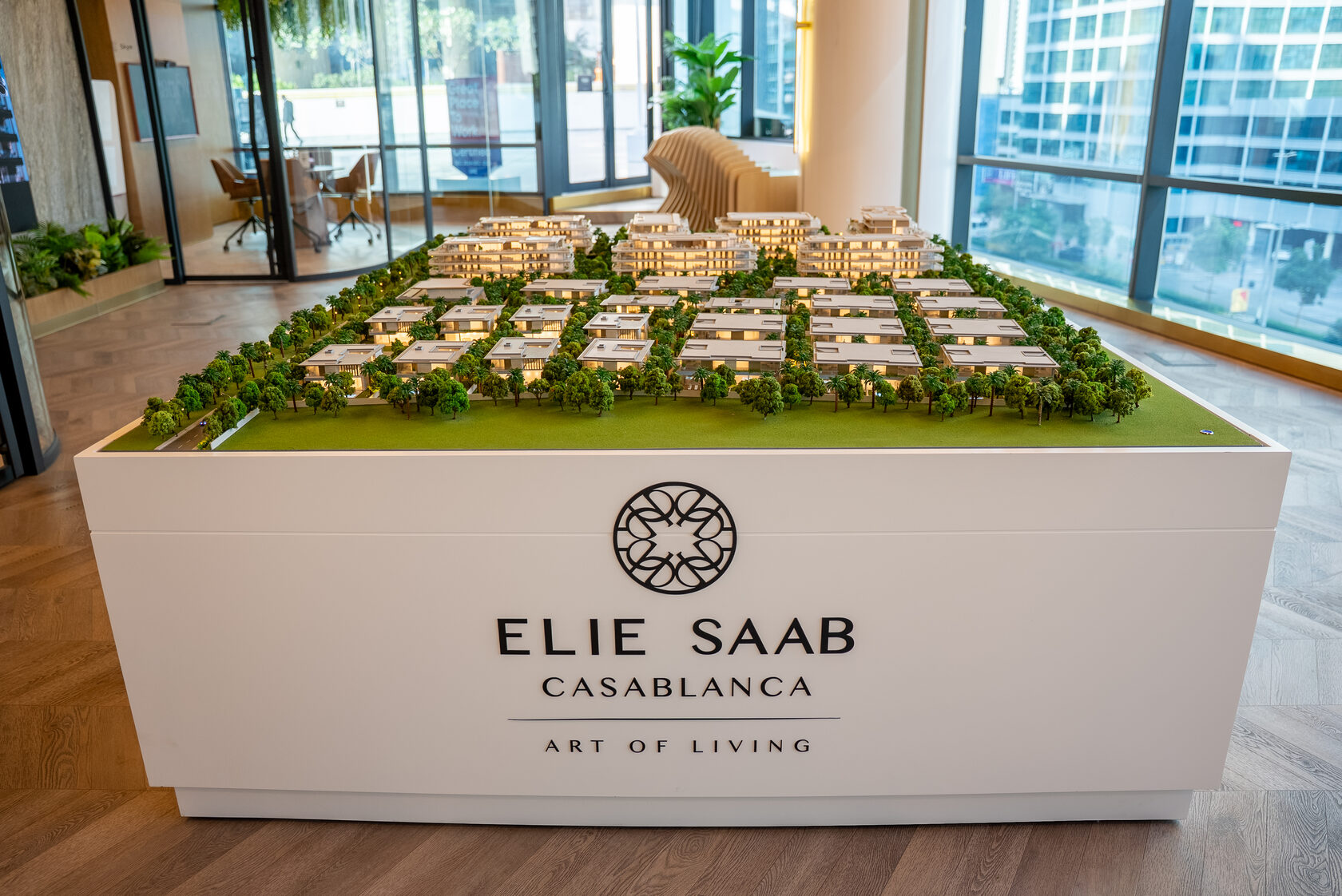
The architecture, landscaping, and surroundings of the building are emphasized by these miniature 3D representations. They provide a sense of proportion, connection, and the general atmosphere of a development.
2. Digital and Virtual Mockups
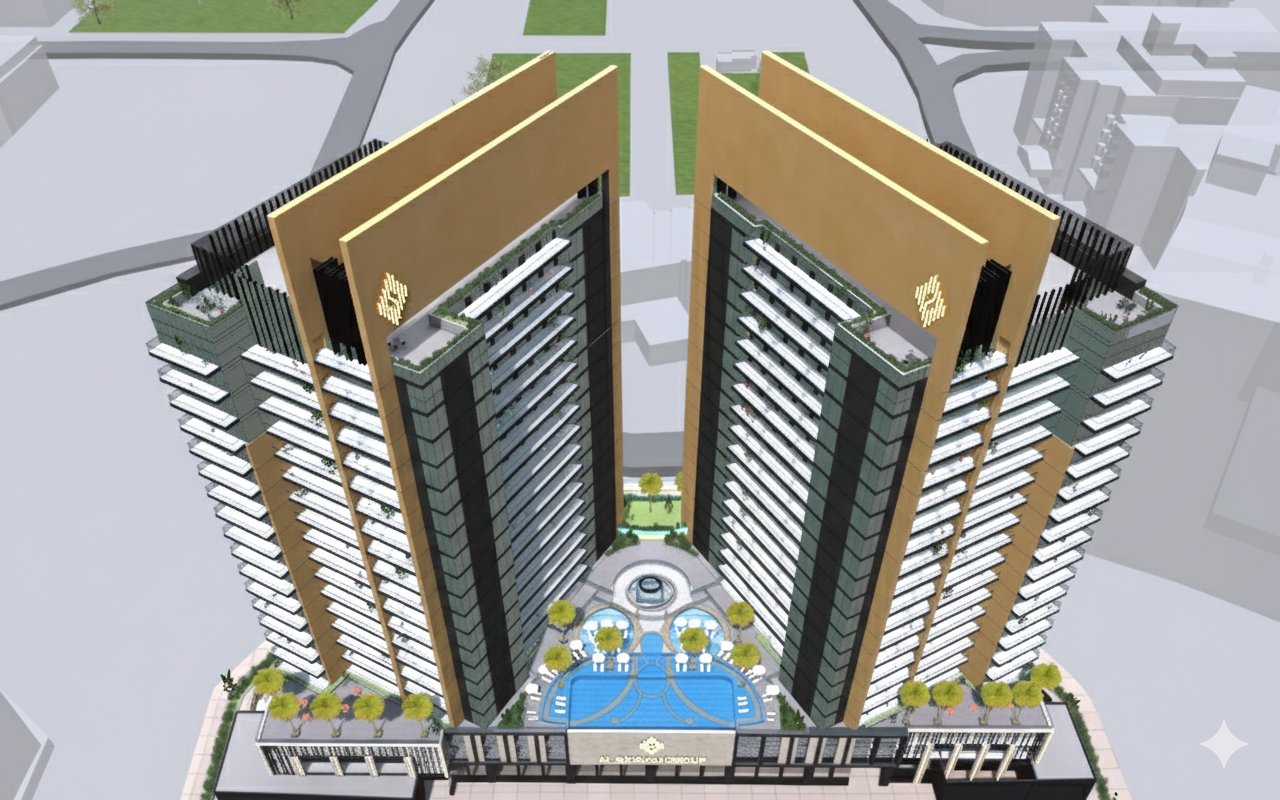
Clients can see the houses remotely with the VR and 3D renders. The interactive features of a 3D model enable users to view layouts, materials and lighting. It’s like taking a tour in your future home without having to leave your chair. A 2020 Matterport study found that listings with virtual tours close 31% faster than listings without.
The Process Behind a Mockup
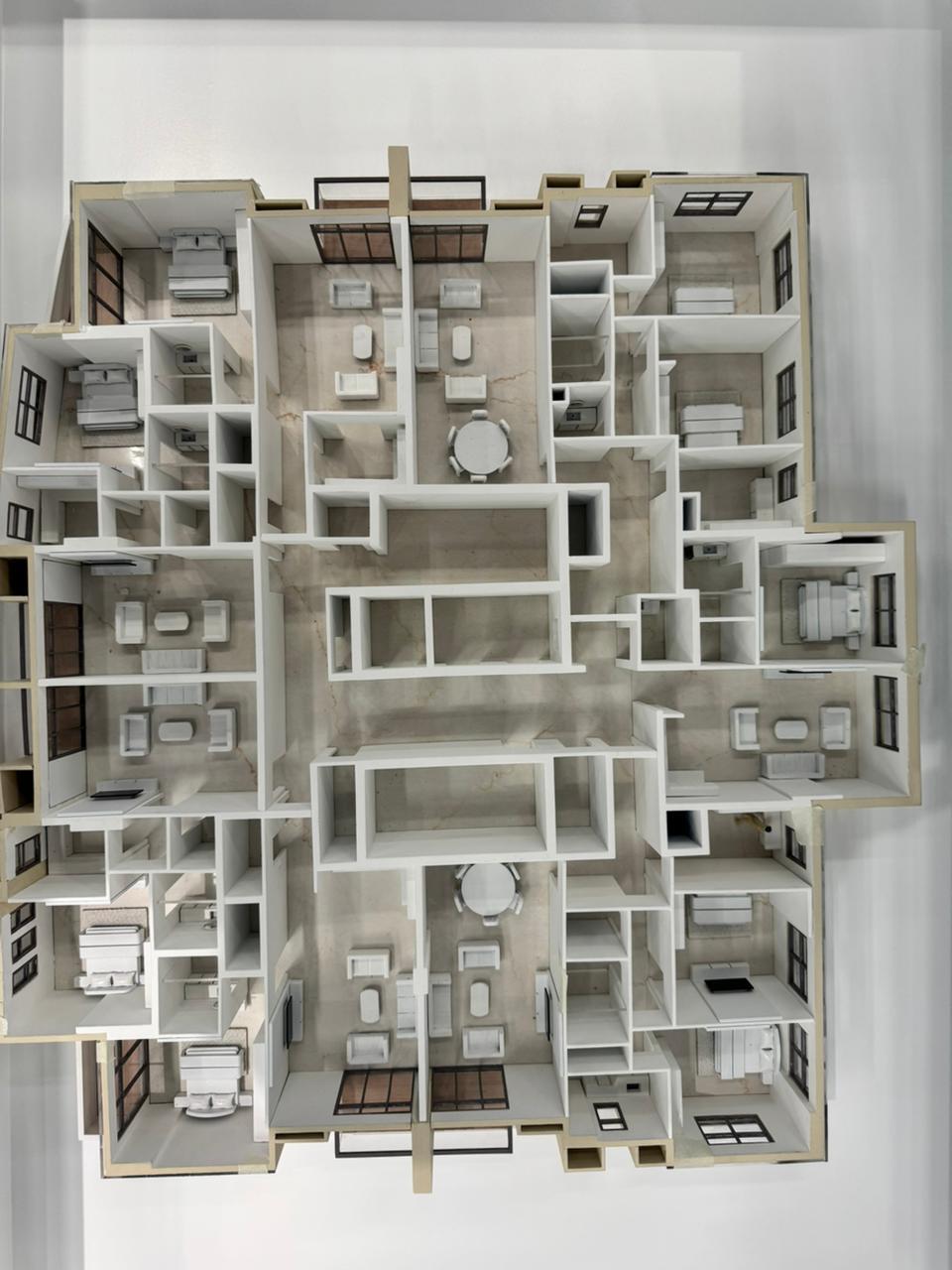
Creating a mockup is a meticulous process:
The outcome is not just a prototype, but a preview of the future.
All in all, Mockup models are the bridge between vision and reality. They transform floor plans into experiences, blueprints into emotional connections, and concepts into tangible assets. In the fast-paced and competitive world of real estate, where clarity and confidence matter, mockups remain a vital tool for shaping the future before it’s even built.
- Design and Planning: Architects and developers identify which elements are essential to showcase, ensuring the model communicates the project’s vision accurately.
- Material Selection: Realistic finishes, colors, and textures are chosen to replicate the final product.
- Construction and Detailing: Whether hand-crafted or digitally rendered, the model must reflect precise scale and meticulous attention to detail. Every corner, fixture, and façade element is carefully considered. Physical scale models can take up to 6–8 weeks to complete, depending on the size and complexity of the development. The process typically involves creating a detailed framework, sculpting or 3D printing architectural elements, painting and finishing surfaces to accurately replicate materials, and adding landscaping, lighting, and miniature fixtures.
The outcome is not just a prototype, but a preview of the future.
All in all, Mockup models are the bridge between vision and reality. They transform floor plans into experiences, blueprints into emotional connections, and concepts into tangible assets. In the fast-paced and competitive world of real estate, where clarity and confidence matter, mockups remain a vital tool for shaping the future before it’s even built.