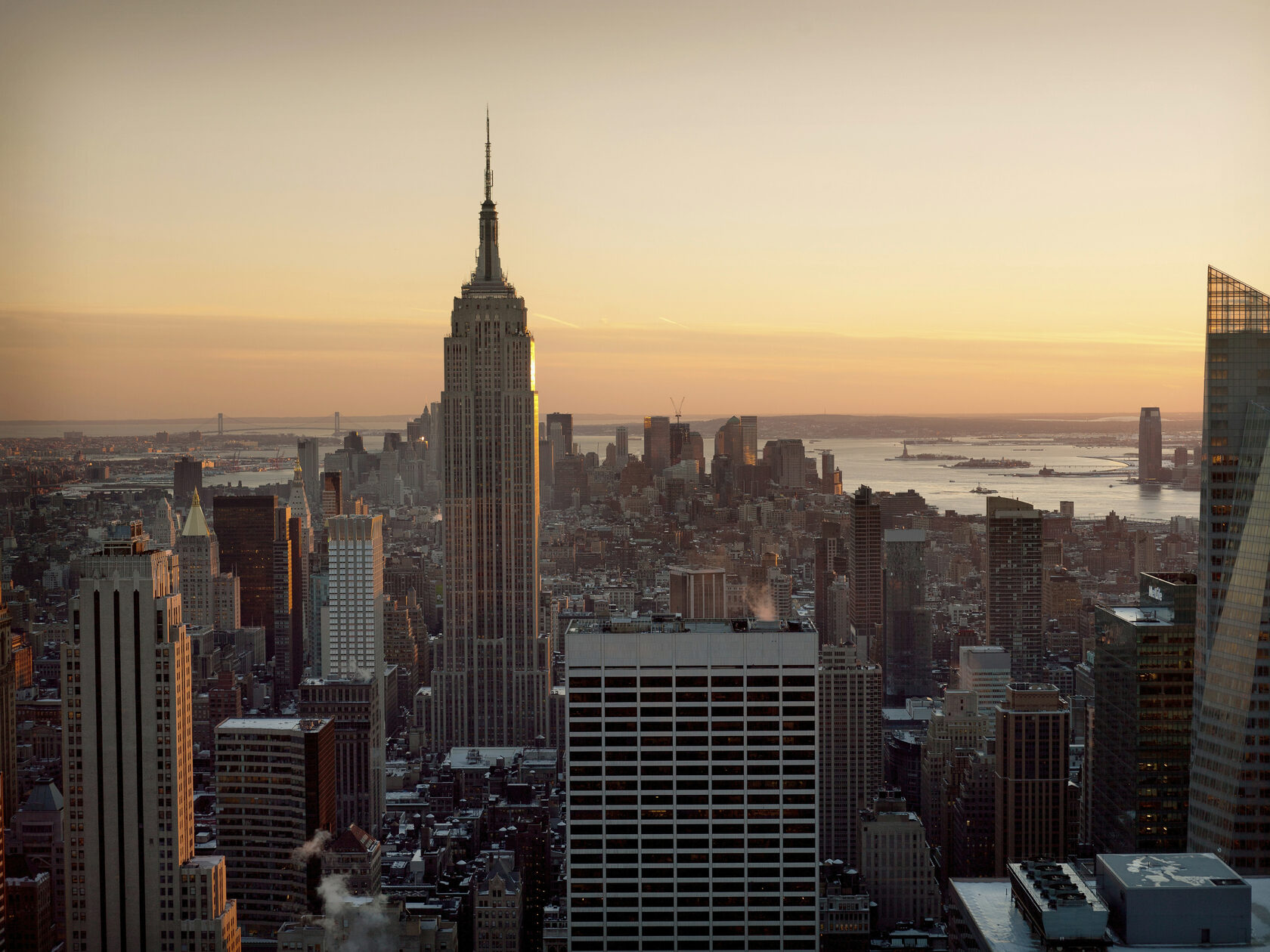
Dubai has thousands of buildings. Towers, villas, complexes, and developments. Some settle into the skyline without leaving a lasting impression.
Then there's Burj Khalifa. Burj Al Arab. The Museum of the Future. The city’s symbols and landmarks.
So, what's the difference? Why do some buildings become cultural monuments while others often disappear into the background?
Then there's Burj Khalifa. Burj Al Arab. The Museum of the Future. The city’s symbols and landmarks.
So, what's the difference? Why do some buildings become cultural monuments while others often disappear into the background?
Reason No. 1: The Design – Facades That Demand Attention
The Burj Khalifa isn't just tall; it's the tallest. Its design is unmistakable. The sleek form inspired by desert flowers makes it instantly recognizable from any angle. You don't need to see a sign to know what you're looking at.
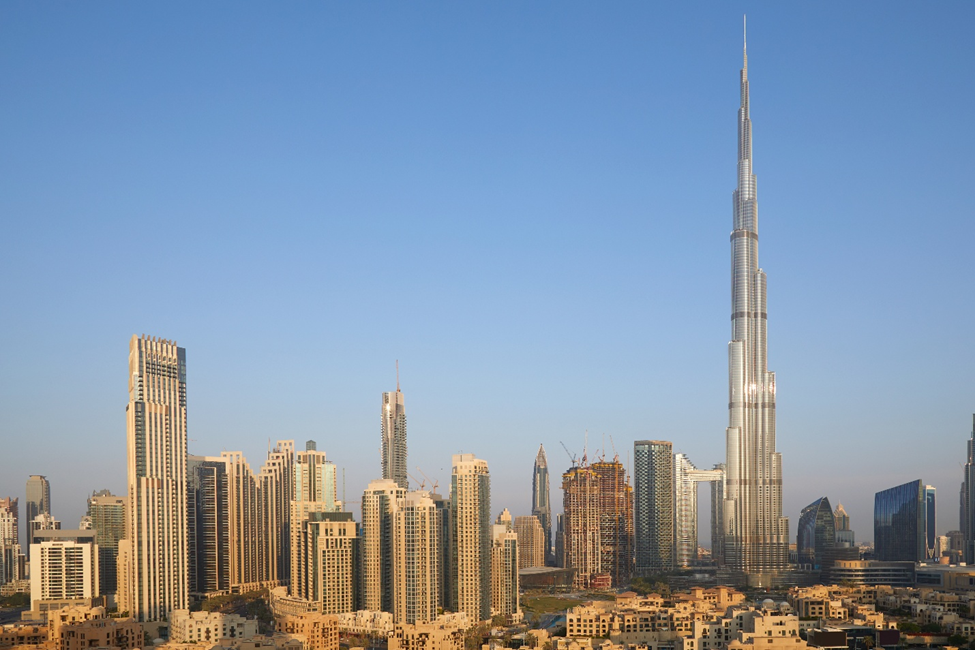
Burj Al Arab, with its unique sail-inspired design, dominates the Dubai coastline. It was designed to stand out. And it worked.
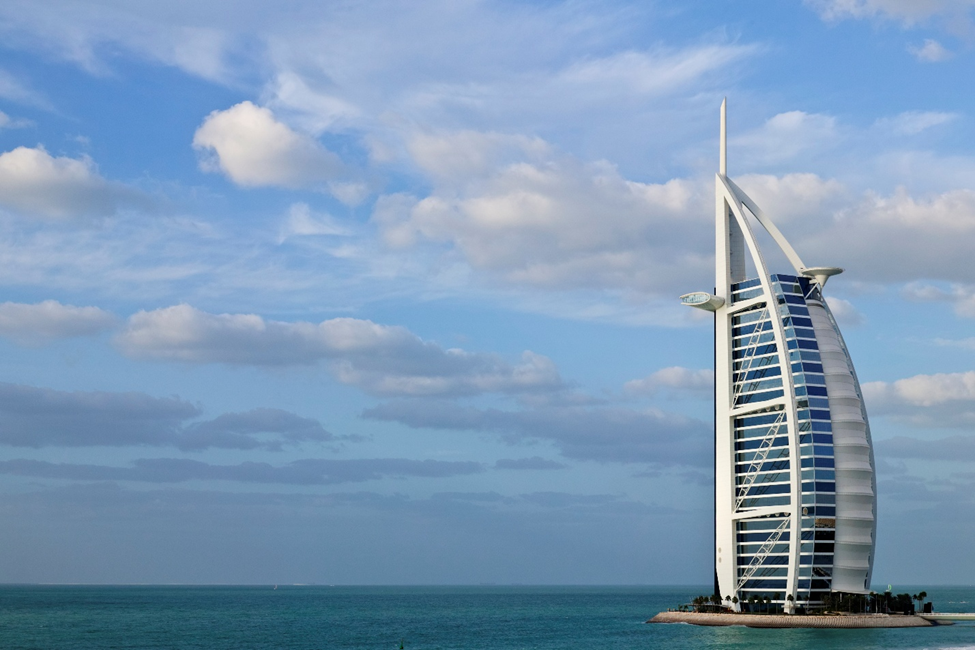
The Museum of the Future is another perfect example; a hollow torus covered in Arabic calligraphy. Futuristic, cultural, striking.
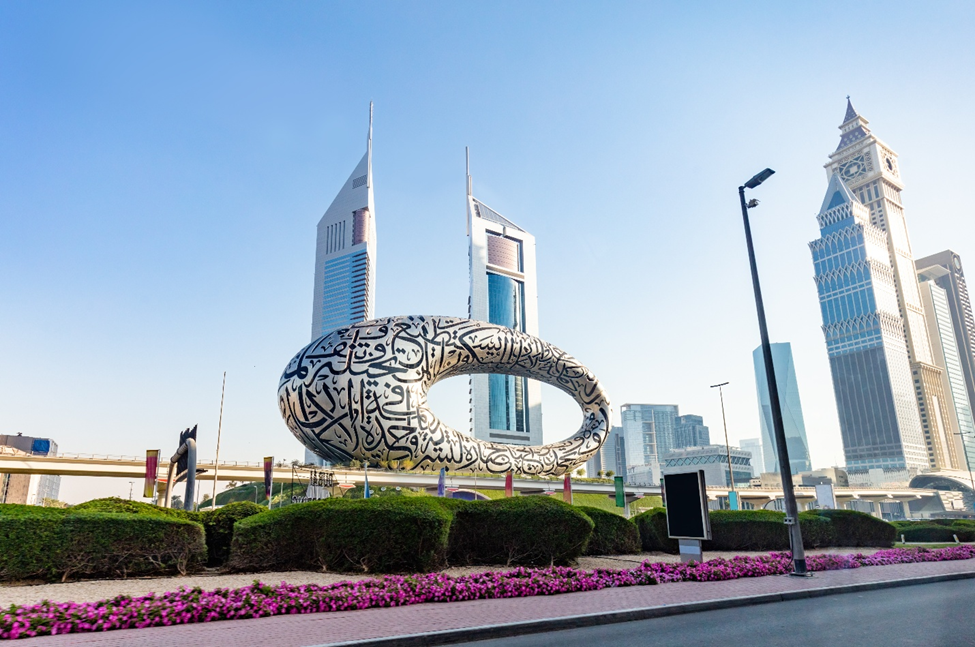
Compare that to the hundreds of glass towers across Dubai Marina or Downtown Dubai. Well-designed, yes. But not memorable.
Reason No. 2: The Features – The Traits That Set Them Apart
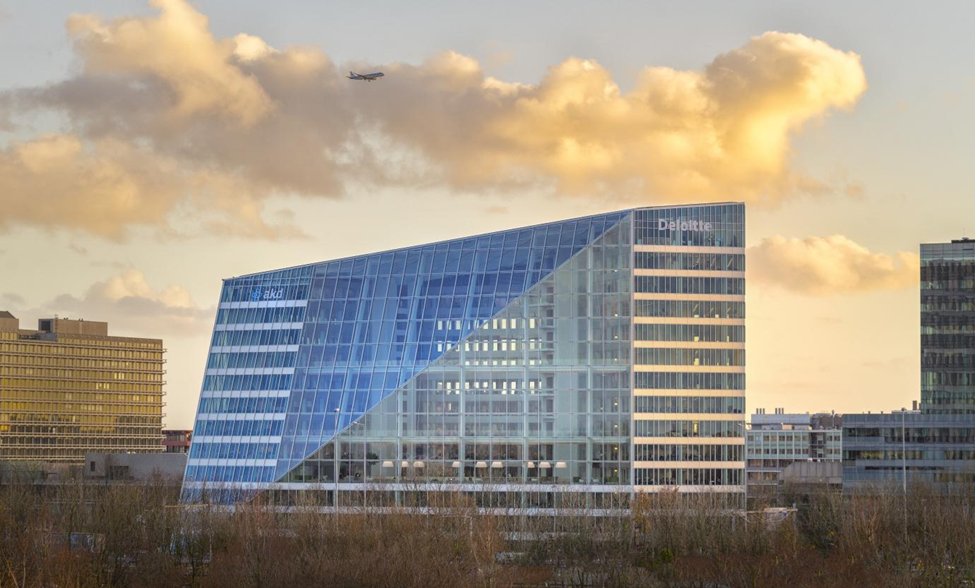
Bosco Verticale (Vertical Forest), Milan features two residential towers covered with over 900 trees and 20,000 plants. The greenery absorbs CO2, produces oxygen, and provides natural insulation. It's not just an architectural statement; it's a working urban forest. Nothing else looks or functions like it.
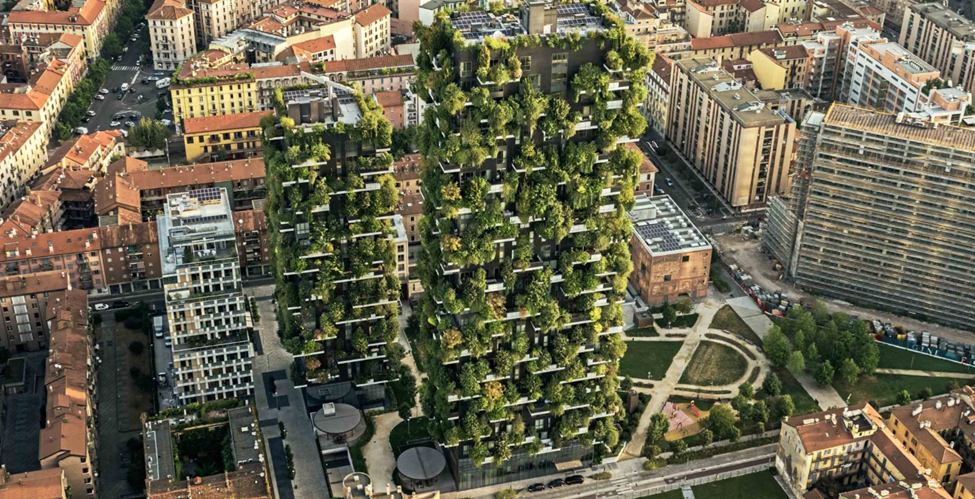
The Palm Jumeirah is iconic not because of any single building on it, but because the entire island is shaped like a palm tree visible from space. That's a feature no one can replicate.
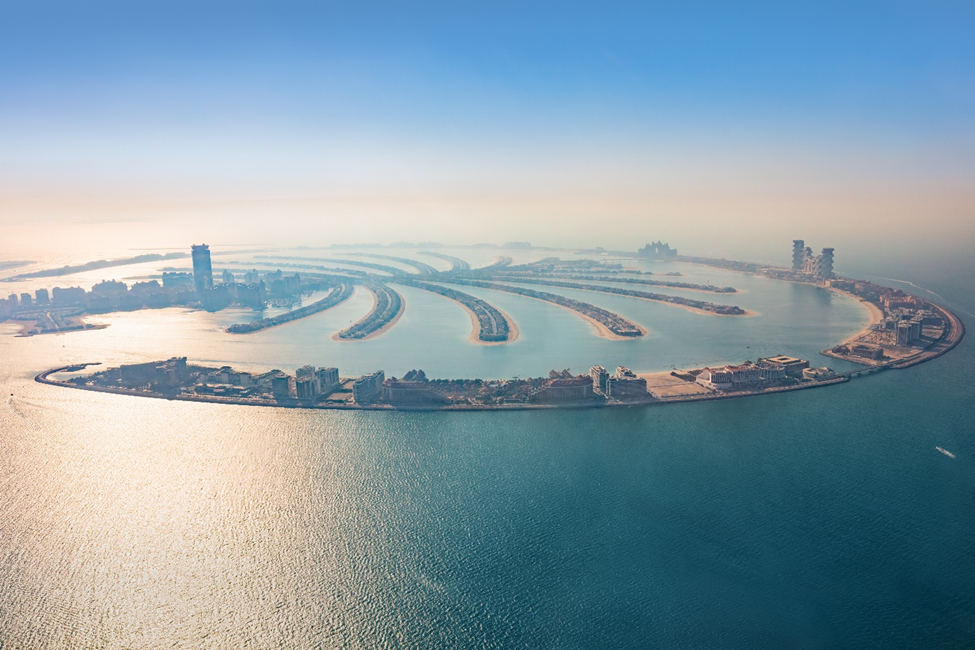
Unique means bold, purposeful, and impossible to ignore.
Reason No. 3: Cultural Relevance - Buildings That Mean Something
Iconic buildings tap into something bigger than themselves. They reflect the identity, dreams, or values of the place they're built.
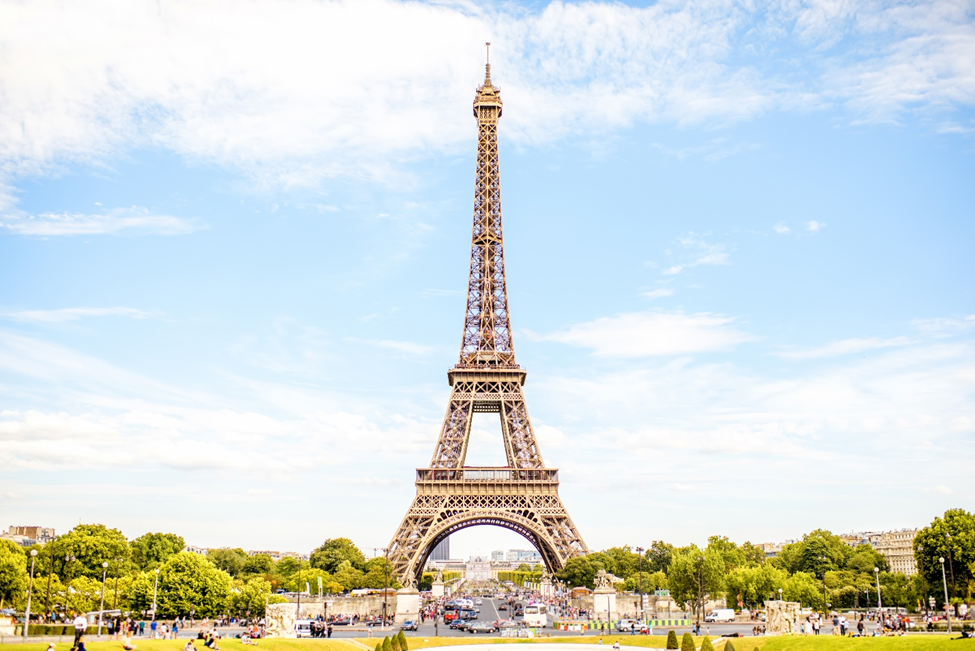
The Eiffel Tower was controversial when it was built for the 1889 World's Fair in Paris. Designed by Gustave Eiffel, critics called it an eyesore. Artists and intellectuals protested. But it came to symbolize French innovation and ambition. Now it symbolizes love in the city of love.
The Eiffel Tower was controversial when it was built for the 1889 World's Fair in Paris. Designed by Gustave Eiffel, critics called it an eyesore. Artists and intellectuals protested. But it came to symbolize French innovation and ambition. Now it symbolizes love in the city of love.
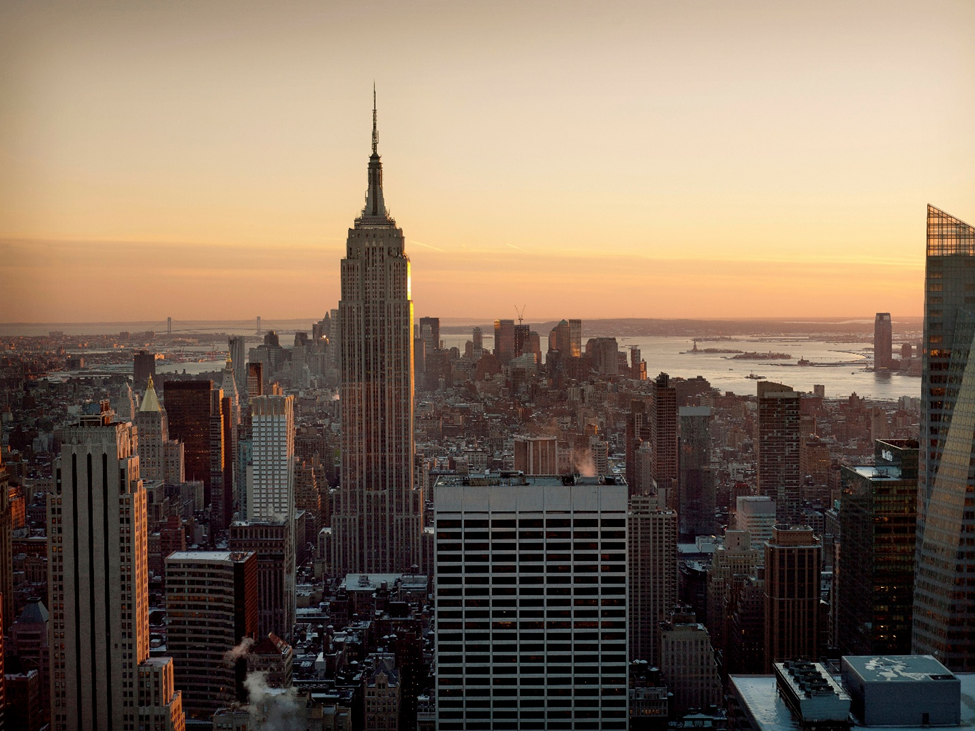
The Empire State Building became an icon during the Great Depression. Completed in 1931 when America was at its lowest, it stood as a symbol of resilience and optimism. It said, "We can still build. We can still dream."
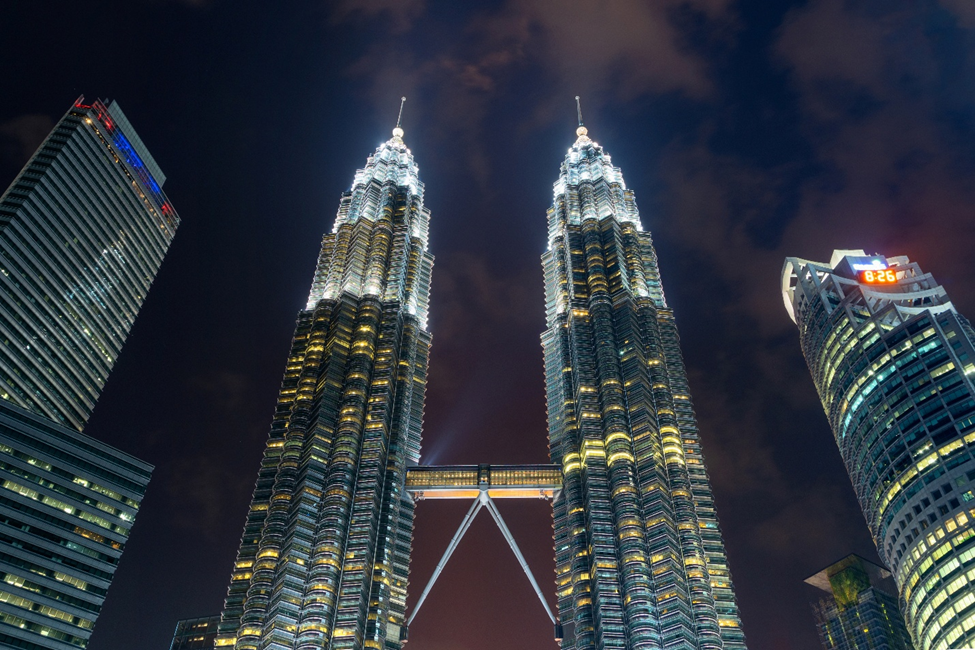
The Petronas Towers in Kuala Lumpur, completed in 1998, were designed to reflect Malaysian culture and Islamic geometric patterns. They became symbols of Malaysia's emergence as a modern economic power.
Buildings become icons when they carry meaning beyond their function. When they tell a story about who built them, why, and what they represent.
Reason No. 4: Emotional Storytelling - Buildings People Can Relate To
Iconic buildings make people feel something.
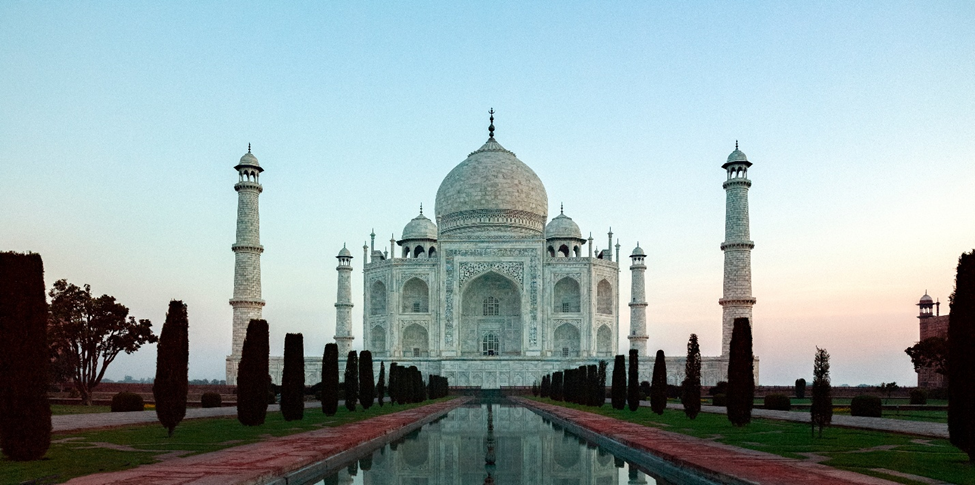
The Taj Mahal isn't just beautiful architecture. It's a symbol of love, built by Mughal emperor Shah Jahan for his deceased wife Mumtaz Mahal between 1632 and 1653.
The Taj Mahal isn't just beautiful architecture. It's a symbol of love, built by Mughal emperor Shah Jahan for his deceased wife Mumtaz Mahal between 1632 and 1653.
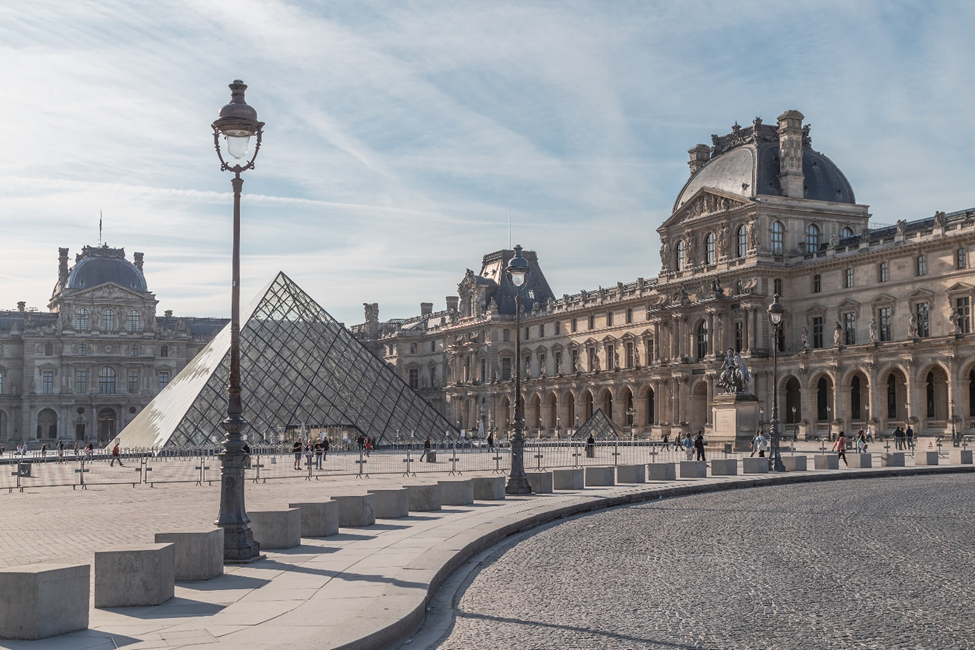
The Louvre Pyramid in Paris was hated when it opened in 1989. A modern glass structure in front of a classical palace? People didn’t really like it. But architect I.M. Pei's design created a striking contrast; old meeting new. Now the pyramid is as iconic as the museum itself.
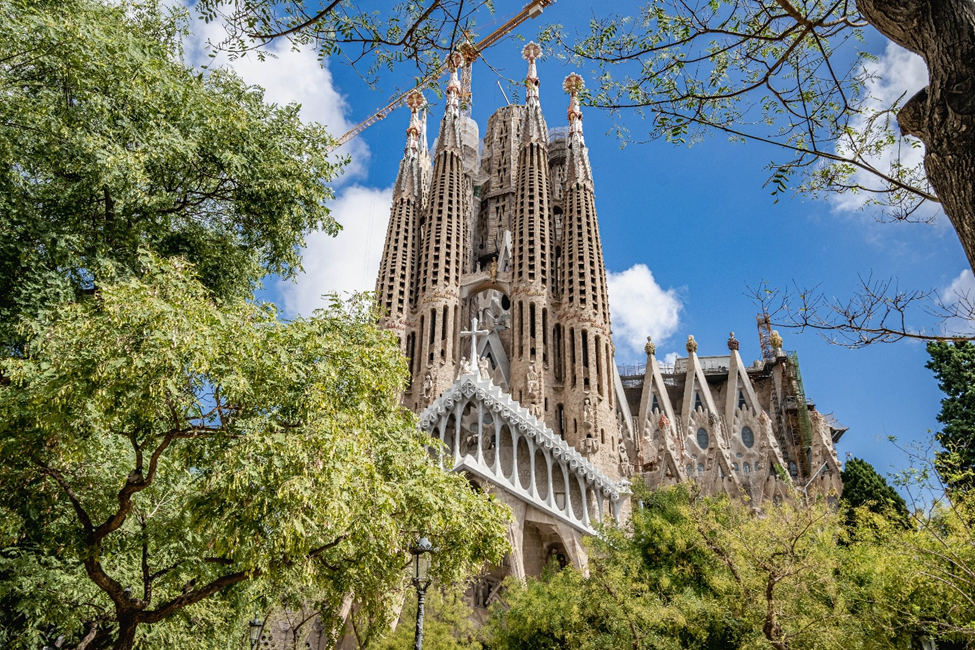
The Sagrada Familia in Barcelona has been under construction since 1882. Architect Antoni Gaudí spent 40 years on it and never saw it completed. That's part of its story. It's unfinished, yet iconic. People visit to admire the architecture and witness a century-long creative journey.
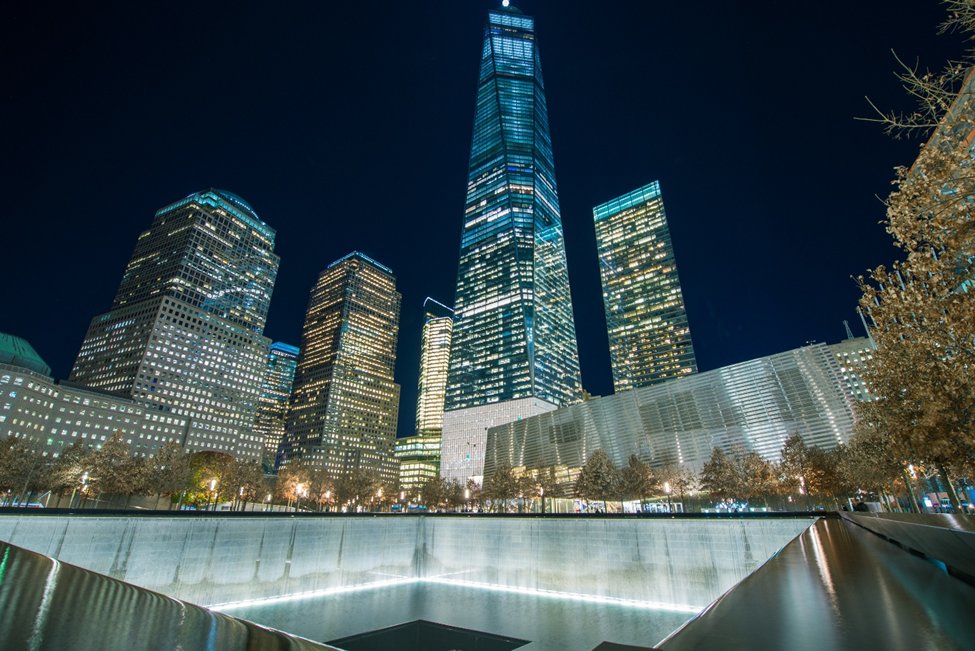
The 9/11 Memorial & Museum in New York isn't iconic because of architectural boldness, it's iconic because of what it represents. The twin reflecting pools sit in the footprints of the original towers. The design is simple yet powerful. It tells a story of loss and resilience.
Buildings that become icons don't just exist. They invite emotional connection. They give people something to talk about, share, return to.
The Bottom Line
Most buildings are built to function. Iconic buildings are built to endure.
They're designed to be noticed. They do something no one else has done. They reflect the values and aspirations of the people and place that created them. And they make people feel something worth remembering.
In real estate, there's a premium on being iconic. Properties in Dubai near landmarks like the Burj Khalifa or Palm Jumeirah have more value. Developments with unique architecture attract buyers willing to pay more. Even in resale, an iconic building holds value better than a generic one.
The Bottom Line
Most buildings are built to function. Iconic buildings are built to endure.
They're designed to be noticed. They do something no one else has done. They reflect the values and aspirations of the people and place that created them. And they make people feel something worth remembering.
In real estate, there's a premium on being iconic. Properties in Dubai near landmarks like the Burj Khalifa or Palm Jumeirah have more value. Developments with unique architecture attract buyers willing to pay more. Even in resale, an iconic building holds value better than a generic one.