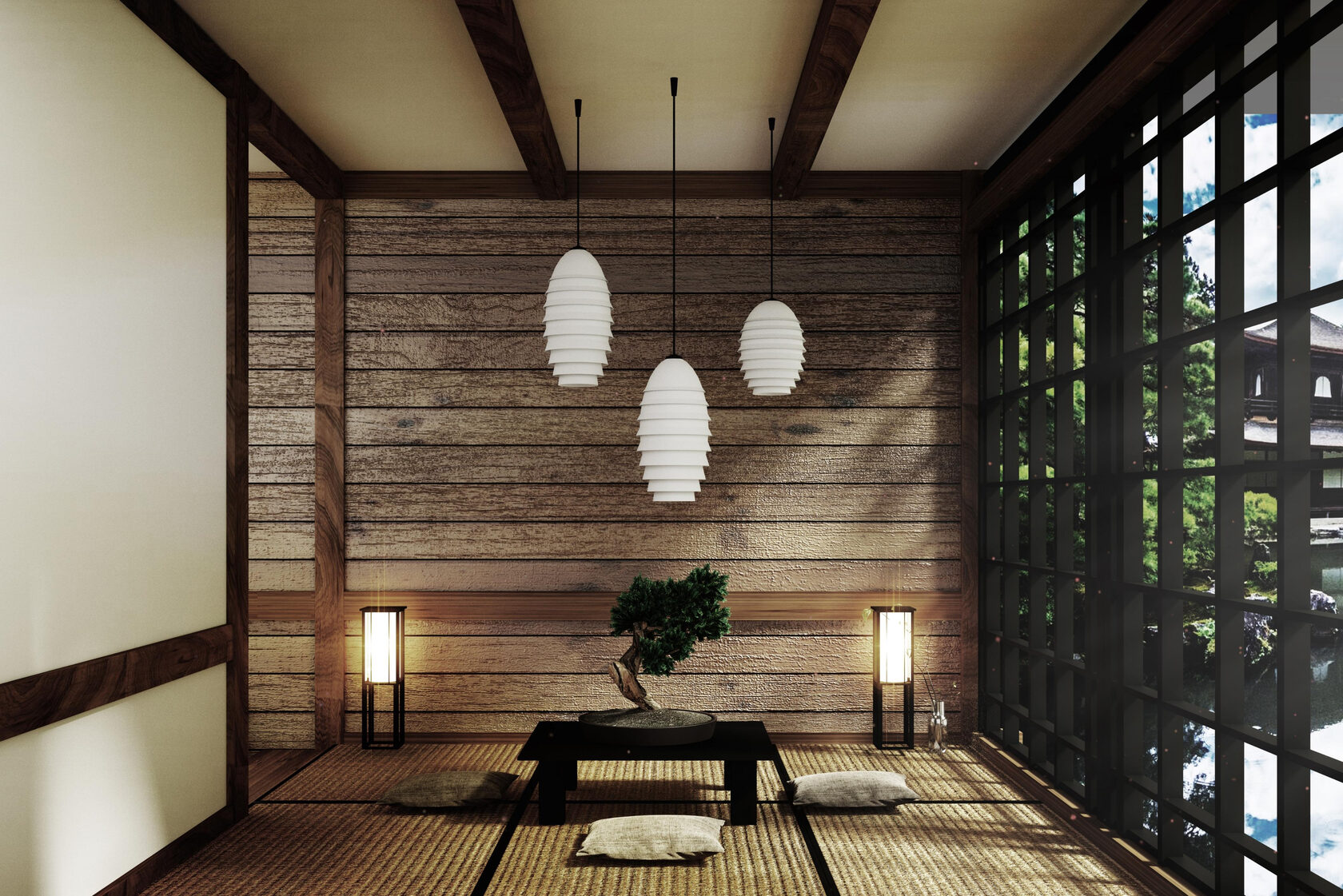
Luxury is not a universal concept. What is considered a “high-end” living in one country can feel completely ordinary in another. As global real estate projects increasingly cater to international clientele, understanding how different cultures define luxury becomes essential.
Japan: The “Less is More” Luxury
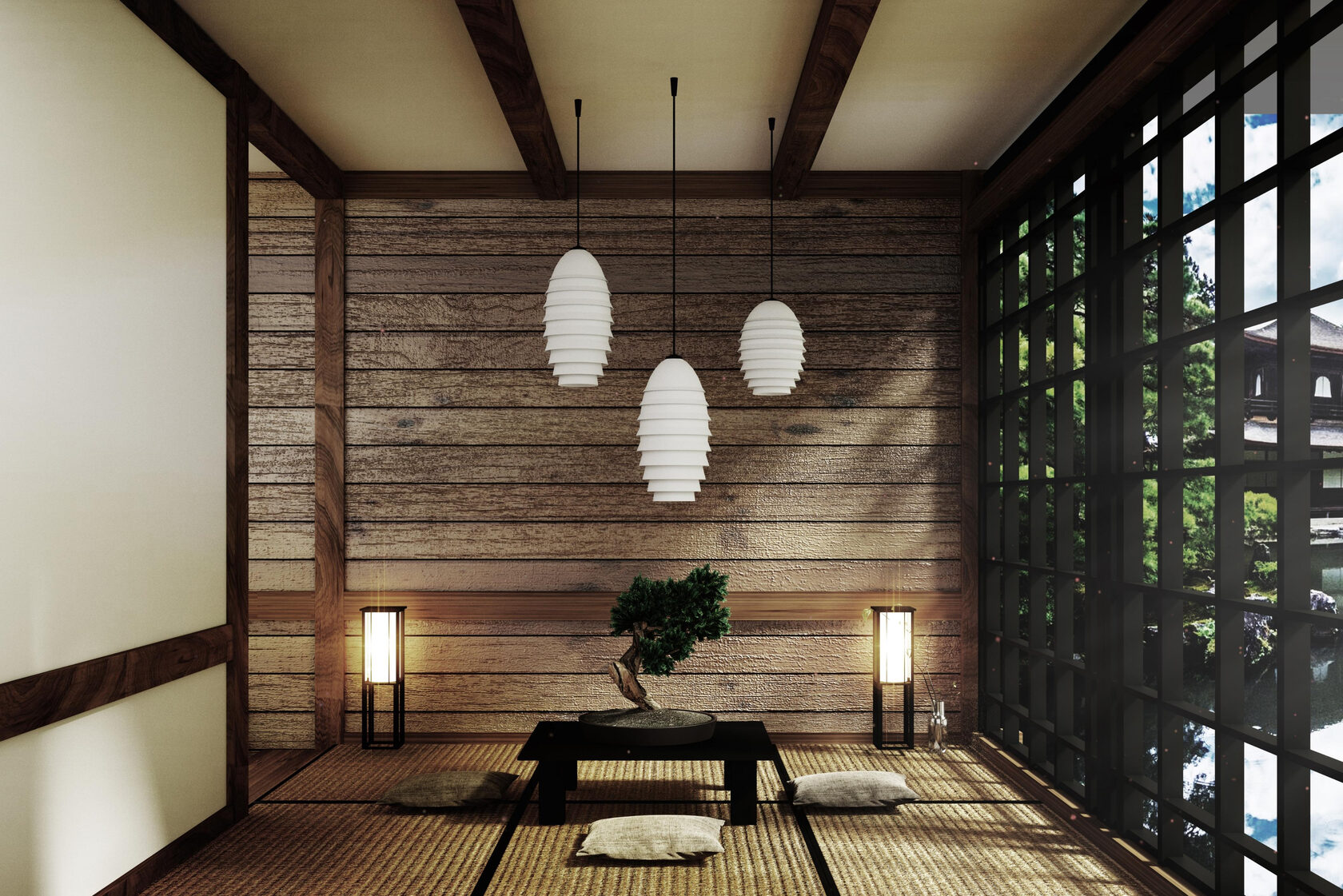
In Japan, luxury whispers rather than shouts. The concept of ma, the aesthetic appreciation of negative space, intrudes every aspect of premium living. A luxury Tokyo apartment might feature vast expanses of empty floor space, natural materials left deliberately unadorned and carefully considered lines that frame a tree or a view of distant mountains.
Japanese luxury brands like Muji have built global empires on this aesthetic, proving that "no-brand quality goods" can command premium prices. In residential design, a luxury property might showcase exposed wood beams weathered to perfection, tatami rooms with nothing but a low table and floor cushions, or bathrooms featuring soaking tubs carved from single pieces of hinoki cypress.
This philosophy stems from Zen Buddhist principles and the traditional tea ceremony, where restraint and simplicity create space for contemplation.
Japanese luxury brands like Muji have built global empires on this aesthetic, proving that "no-brand quality goods" can command premium prices. In residential design, a luxury property might showcase exposed wood beams weathered to perfection, tatami rooms with nothing but a low table and floor cushions, or bathrooms featuring soaking tubs carved from single pieces of hinoki cypress.
Italy: The Cathedral of Craftsmanship
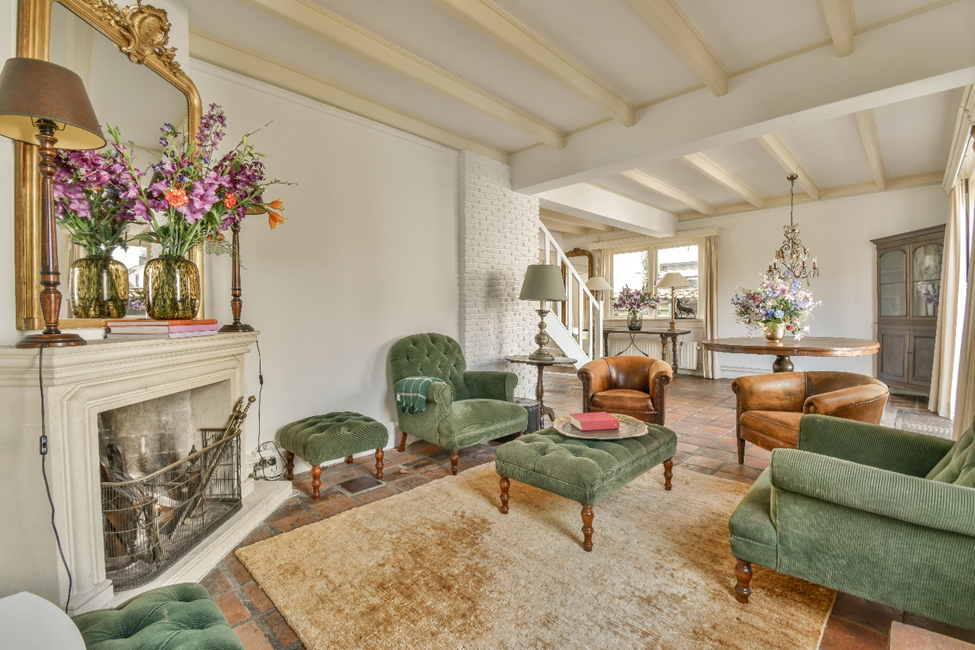
Italian luxury is built on a deep love for artistry and tradition. In cities like Milan or Florence, a high-end home is all about care, skill, and history woven into every detail, rather than just the size. Think hand-painted Venetian plasters that take weeks to perfect, custom woodwork shaped by master carpenters, or textiles made on old family looms. It’s a luxury you can feel because someone poured their heart into making it.
Italy also celebrates luxury with la bella figura, a concept that believes beauty matters in how you live, host, and present your space. A dinner table set with love, a room arranged to catch the perfect afternoon light, conversations that linger longer than the meal itself. In Italy, the home becomes a stage for living beautifully.
And in real estate, true luxury often lies in heritage. A restored palazzo with frescoed ceilings or original terrazzo floors carries charm and authenticity that even the most modern buildings can’t imitate. In Italy, the past is luxury, not a burden.
Italy also celebrates luxury with la bella figura, a concept that believes beauty matters in how you live, host, and present your space. A dinner table set with love, a room arranged to catch the perfect afternoon light, conversations that linger longer than the meal itself. In Italy, the home becomes a stage for living beautifully.
And in real estate, true luxury often lies in heritage. A restored palazzo with frescoed ceilings or original terrazzo floors carries charm and authenticity that even the most modern buildings can’t imitate. In Italy, the past is luxury, not a burden.
Dubai: Where Luxury is a Lifestyle
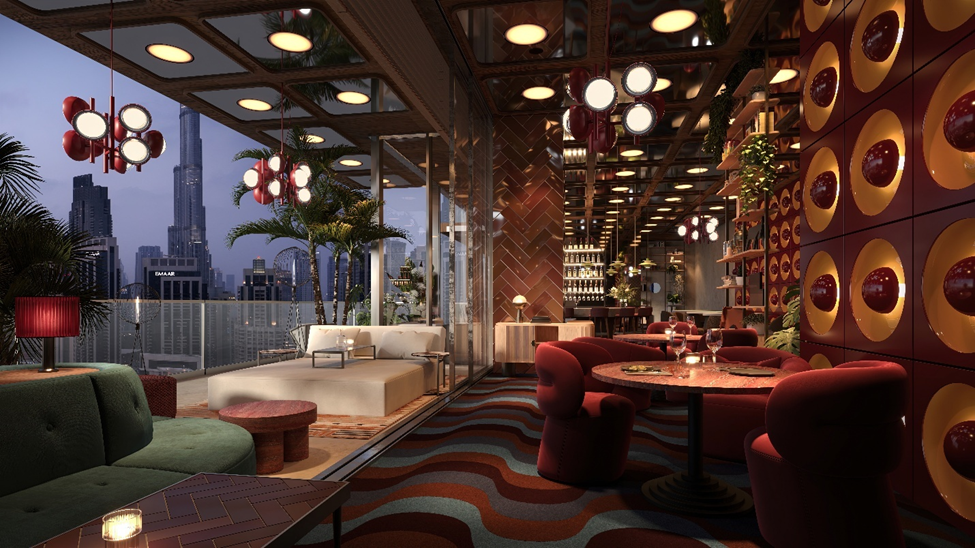
Dubai represents the most dramatic departure from traditional luxury standards. The city is known for presenting immersive and unforgettable experiences. A luxury home here isn’t just a space to live; it’s an entire lifestyle ecosystem. From 24/7 concierge teams that handle anything you need, private beach access, temperature-controlled pools, and smart-home tech that anticipates your routine, Dubai redefines premium living by turning everyday life into a one-of-a-kind experience.
In Dubai, buildings aren’t just buildings, they’re destinations. It’s normal for a tower to have its own fine-dining restaurants, private cinema, sky garden, or wellness club. This isn’t luxury for the sake of luxury; it’s tied to the region’s deep hospitality culture and its role as a global hub where people expect the extraordinary.
In Dubai, buildings aren’t just buildings, they’re destinations. It’s normal for a tower to have its own fine-dining restaurants, private cinema, sky garden, or wellness club. This isn’t luxury for the sake of luxury; it’s tied to the region’s deep hospitality culture and its role as a global hub where people expect the extraordinary.
The Americas: Power, Space, and Privacy
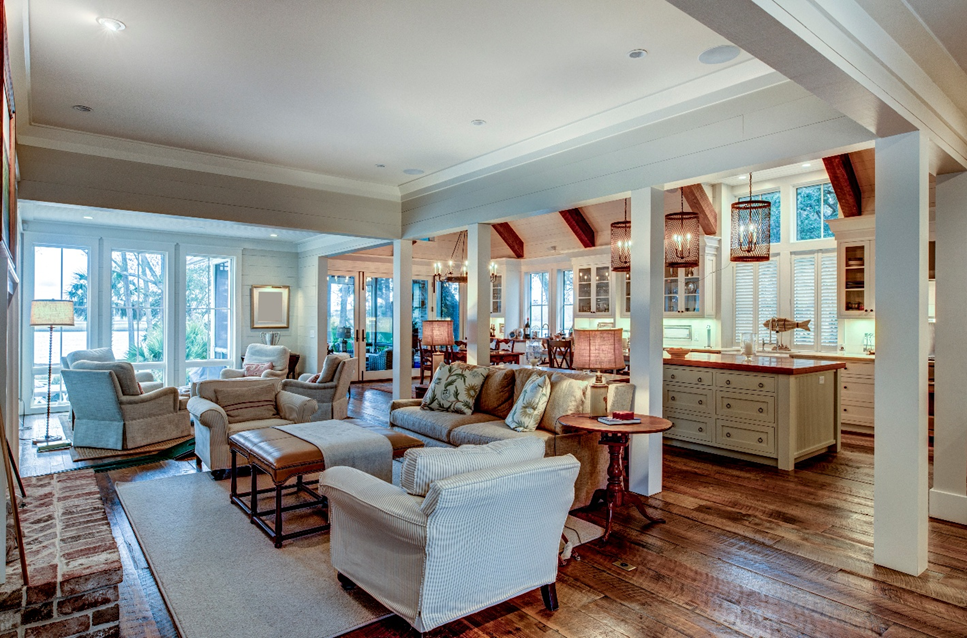
In the United States, luxury often manifests as generous square footage, privacy, and symbols of achievement. A luxury American home might sprawl across multiple acres, featuring home theaters, wine cellars, professional-grade kitchens, and garage space for vehicle collections. The emphasis falls on personal space and the ability to accommodate any activity without leaving the property.
This contrasts with Latin American luxury, particularly in cities like São Paulo or Buenos Aires, where premium living often emphasizes social spaces, architectural drama, and seamless indoor-outdoor integration. Brazilian luxury embraces sensuality, color, and a connection to nature that reflects the country's landscape and climate. Luxury apartments might feature extensive terraces with lush plantings, entertainment spaces designed for large gatherings, and architectural elements that celebrate curves over straight lines.
Conclusion: Luxury as Cultural Expression
These different definitions of luxury reveal deeper truths about cultural values, historical experiences, and collective aspirations.
For real estate developers, understanding these differences isn't just cultural sensitivity, it's business necessity. The future of luxury lies in the ability to represent each culture while achieving the highest standards of quality.
This contrasts with Latin American luxury, particularly in cities like São Paulo or Buenos Aires, where premium living often emphasizes social spaces, architectural drama, and seamless indoor-outdoor integration. Brazilian luxury embraces sensuality, color, and a connection to nature that reflects the country's landscape and climate. Luxury apartments might feature extensive terraces with lush plantings, entertainment spaces designed for large gatherings, and architectural elements that celebrate curves over straight lines.
Conclusion: Luxury as Cultural Expression
These different definitions of luxury reveal deeper truths about cultural values, historical experiences, and collective aspirations.
For real estate developers, understanding these differences isn't just cultural sensitivity, it's business necessity. The future of luxury lies in the ability to represent each culture while achieving the highest standards of quality.