Interior design shapes the way we experience our homes, influencing everything from mood to productivity. In 2025, design has evolved to meet well-being and balance. As our lives grow busier and more digitally connected, people have been craving spaces that offer calm, comfort, and a sense of grounding.
Natural elements have made a strong comeback, with materials like wood, stone, and plenty of greenery helping to bring the outside in.
This approach creates environments that feel warm and inviting without unnecessary clutter, offering a subtle harmony between simplicity and coziness. At the same time, quiet corners dedicated to relaxation and self-care have become priority, turning parts of the home into personal sanctuaries for rest and renewal.
Technology is also blending seamlessly into interiors, designed to enhance daily life without disrupting the peaceful atmosphere. Smart lighting, climate control, and hidden conveniences now work quietly, supporting comfort and ease.
Together, these shifts reflect a desire for homes that truly nurture both body and mind, spaces where style meets wellness and smart living.
As a real estate intelligence hub, Evolutions works very closely with world-renowned interior designers and architects to stay ahead of the curve and diversify our portfolio and offerings, ensuring real estate assets are future-proof. This article goes on to prove our commitment to staying ahead of the curve, for each interior trend that is listed, Evolutions has a project that has adapted to it.
Technology is also blending seamlessly into interiors, designed to enhance daily life without disrupting the peaceful atmosphere. Smart lighting, climate control, and hidden conveniences now work quietly, supporting comfort and ease.
Together, these shifts reflect a desire for homes that truly nurture both body and mind, spaces where style meets wellness and smart living.
As a real estate intelligence hub, Evolutions works very closely with world-renowned interior designers and architects to stay ahead of the curve and diversify our portfolio and offerings, ensuring real estate assets are future-proof. This article goes on to prove our commitment to staying ahead of the curve, for each interior trend that is listed, Evolutions has a project that has adapted to it.
Biophilic Design
Biophilic design is recognized as a leading interior design trend, emerging as a response to the stresses of modern life. With urban living, digital fatigue, and mental health concerns on the rise, biophilic design is more than an aesthetic choice, it's a wellness-driven movement. By intentionally incorporating elements of nature into indoor spaces, this approach aims to create environments that nurture well-being, calm the mind, and restore our connection to the natural world.
Increasingly present in homes, offices, and public spaces, biophilic interiors feature indoor plants, wooden textures, stone finishes, and expansive windows that blur the line between indoors and outdoors.
Research conducted by the University of Tehran in 2021 revealed that the beyond its visual appeal, exposure to nature-inspired design can reduce stress, improve focus, and even enhance productivity. As designers and homeowners prioritize sustainability and wellness, biophilic design is reshaping interiors into healthier, more balanced spaces that support the body and mind.
Increasingly present in homes, offices, and public spaces, biophilic interiors feature indoor plants, wooden textures, stone finishes, and expansive windows that blur the line between indoors and outdoors.
Research conducted by the University of Tehran in 2021 revealed that the beyond its visual appeal, exposure to nature-inspired design can reduce stress, improve focus, and even enhance productivity. As designers and homeowners prioritize sustainability and wellness, biophilic design is reshaping interiors into healthier, more balanced spaces that support the body and mind.
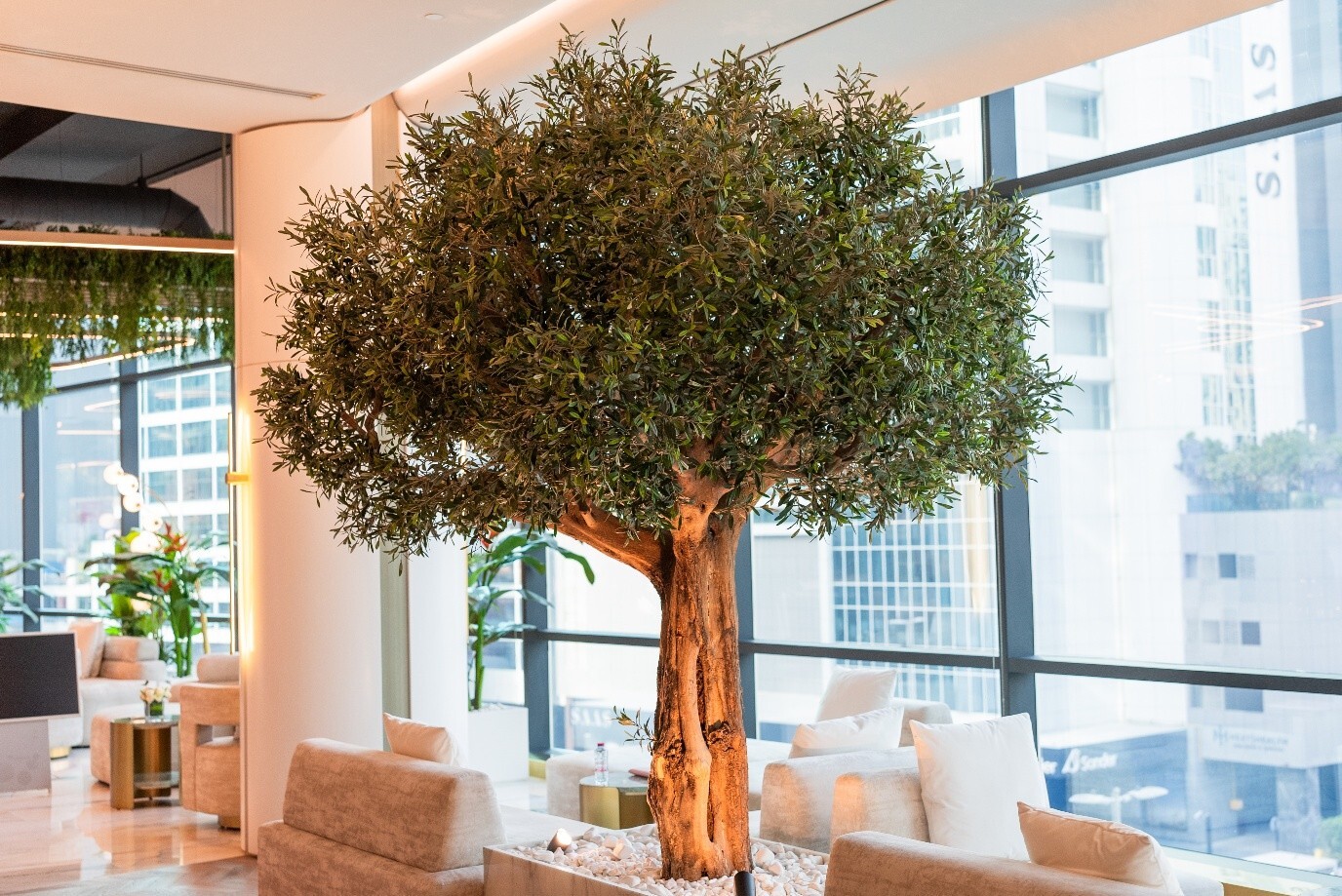
At the Evolutions Concept Store, biophilic design takes its shape through thoughtful placement of trees, plants, succulents, and more. Allowing visitors and employees to be productive in serene settings.
Warm Minimalism
In 2025, warm minimalism has redefined the concept of minimalism by softening its edges and adding depth, comfort, and personality.
While classic minimalism is known for its clean lines, neutral palettes, and uncluttered spaces, warm minimalism has introduced richer textures, organic materials, and earth tones to create interiors that feel serene and inviting. It’s a design approach that balances simplicity with soul; offering calm, functional spaces that are also warm, tactile, and emotionally resonant.
Driven by a desire for clarity and comfort in our living environments, warm minimalism has become increasingly popular in interiors. Think natural wood finishes, soft textiles, sculptural lighting, and a curated approach to decor where every item feels intentional.
The goal is not to strip a space bare, but to create room to breathe; spaces that are visually quiet yet still feel lived-in and human. As people seek refuge from the noise of modern life, warm minimalism offers a stylish, mindful way to slow down and reconnect with what matters most.
While classic minimalism is known for its clean lines, neutral palettes, and uncluttered spaces, warm minimalism has introduced richer textures, organic materials, and earth tones to create interiors that feel serene and inviting. It’s a design approach that balances simplicity with soul; offering calm, functional spaces that are also warm, tactile, and emotionally resonant.
Driven by a desire for clarity and comfort in our living environments, warm minimalism has become increasingly popular in interiors. Think natural wood finishes, soft textiles, sculptural lighting, and a curated approach to decor where every item feels intentional.
The goal is not to strip a space bare, but to create room to breathe; spaces that are visually quiet yet still feel lived-in and human. As people seek refuge from the noise of modern life, warm minimalism offers a stylish, mindful way to slow down and reconnect with what matters most.
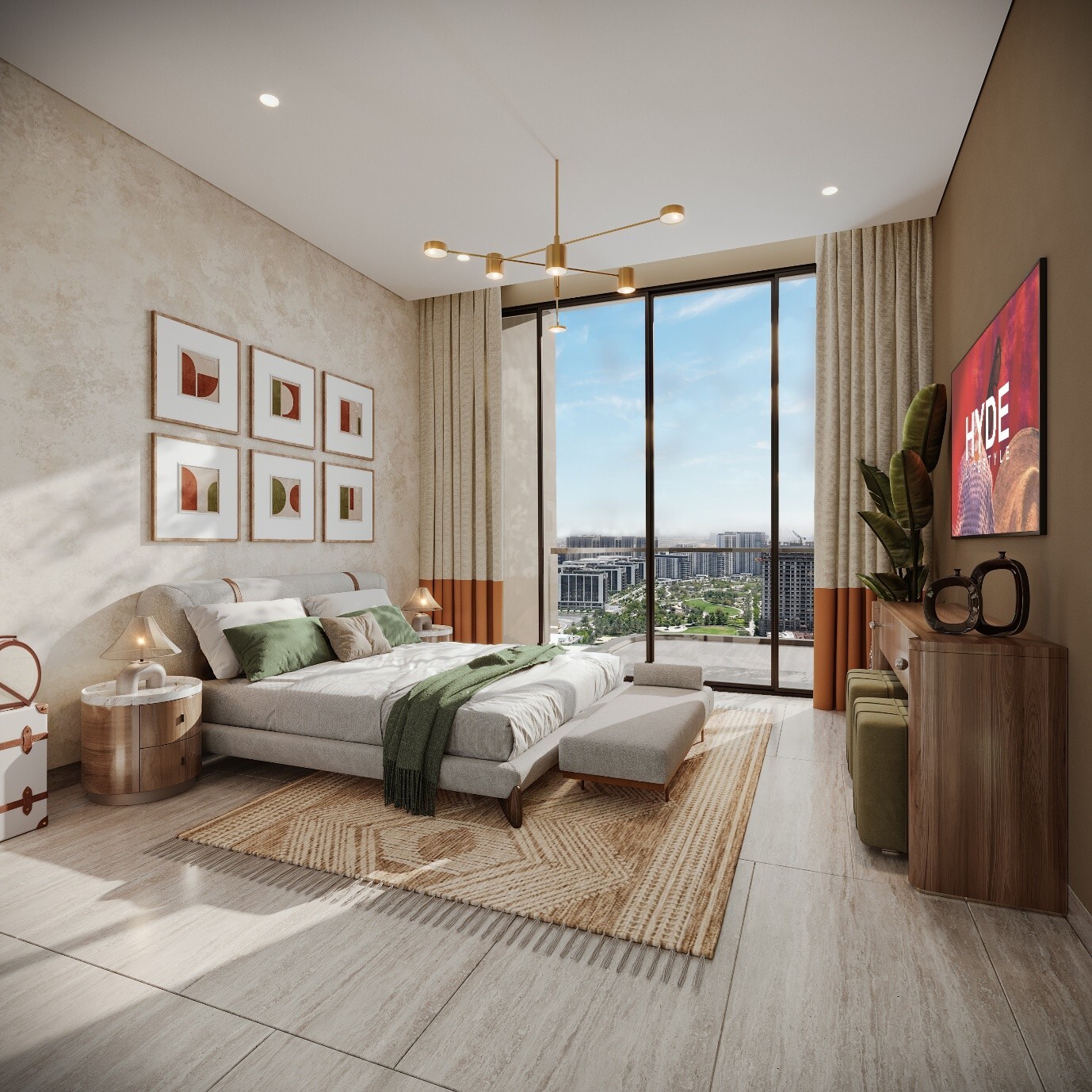
Evolutions, in partnership with the HYDE brand and CityView Developments, applied the concept of warm minimalism across the interiors of Hyde Residences, a premium project nestled in Dubai Hills Estate.
Wellness Spaces
As self-care is a central part of daily life, to reflect its importance, wellness spaces have emerged as the most influential trend in interior design this year.
Wellness-focused interiors are about creating environments that support mental, emotional, and physical health.
Whether it’s a quiet reading nook, a yoga corner, or an entire room dedicated to relaxation, these spaces are designed with intention, to soothe, restore, and encourage mindful living.
Wellness spaces often incorporate calming colours, soft lighting, natural materials, and clutter-free layouts to promote a sense of peace and presence. Elements like aromatherapy diffusers, indoor plants, meditation cushions, or even sound-absorbing materials help enhance the sensory experience.
From spa-like bathrooms to serene bedrooms and multifunctional self-care zones, the focus is on comfort, balance, and personalization. As people continue to prioritize health and well-being in their homes, wellness spaces are becoming essential sanctuaries for rest, reflection, and daily renewal.
Wellness spaces often incorporate calming colours, soft lighting, natural materials, and clutter-free layouts to promote a sense of peace and presence. Elements like aromatherapy diffusers, indoor plants, meditation cushions, or even sound-absorbing materials help enhance the sensory experience.
From spa-like bathrooms to serene bedrooms and multifunctional self-care zones, the focus is on comfort, balance, and personalization. As people continue to prioritize health and well-being in their homes, wellness spaces are becoming essential sanctuaries for rest, reflection, and daily renewal.
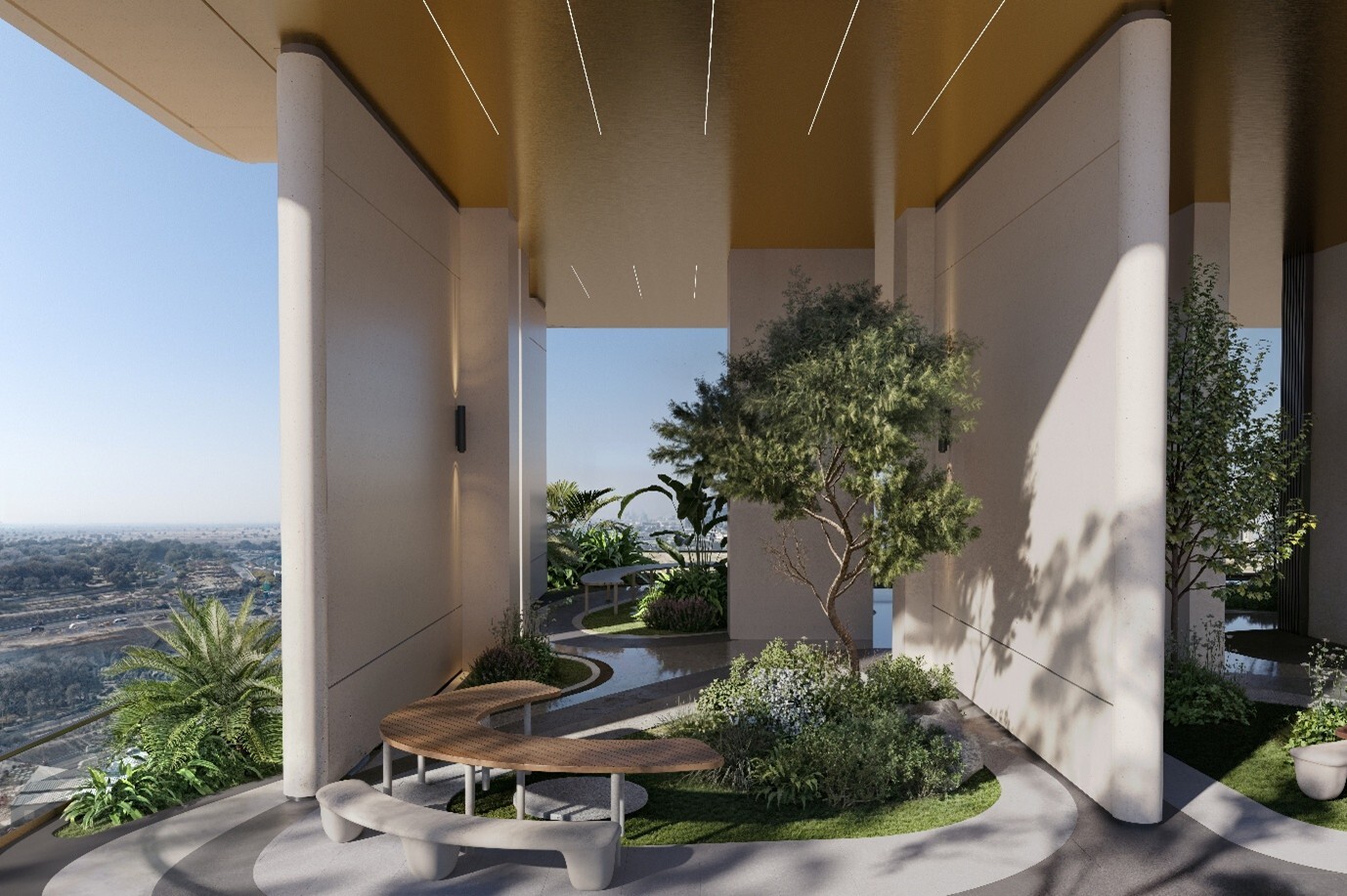
Evolutions’ exclusive project, in partnership with CityView Developments, Velos Residence in Motor City, features a stunning Japanese Zen Garden; allowing residents to bask in natural light, and use the space to indulge in a book or meditate, accommodating true relaxation and wellness.
Tech-Integration
Tech integration in interior design is now expected, and it’s moving beyond flashy gadgets and has become a seamless part of modern living.
Today’s smart homes prioritize both function and aesthetics, blending technology into the design in ways that are intuitive, subtle, and lifestyle-enhancing. From voice-controlled lighting and climate systems to hidden charging stations, built-in speakers, and smart mirrors, technology is being thoughtfully embedded into interiors to support comfort, convenience, and connectivity without disrupting the visual harmony of a space.
This trend is driven by the growing desire for efficiency, personalization, and wellness within the home. Smart tech can now adapt to daily routines, improve energy efficiency, and even contribute to better sleep or healthier indoor environments. Designers are finding creative ways to conceal wires, integrate tech into furniture, and use digital tools like programmable lighting or automated blinds to enhance both form and function. As technology becomes more human-centered, its role in interior design is shifting, from attention-grabbing to an invisible layer of everyday life.
The extent of tech integration is subjective based on the resident; each EV project is perfectly compatible with the latest home tech; however, the extent of home automation is up to the residents that make a unit into a home.
Today’s smart homes prioritize both function and aesthetics, blending technology into the design in ways that are intuitive, subtle, and lifestyle-enhancing. From voice-controlled lighting and climate systems to hidden charging stations, built-in speakers, and smart mirrors, technology is being thoughtfully embedded into interiors to support comfort, convenience, and connectivity without disrupting the visual harmony of a space.
This trend is driven by the growing desire for efficiency, personalization, and wellness within the home. Smart tech can now adapt to daily routines, improve energy efficiency, and even contribute to better sleep or healthier indoor environments. Designers are finding creative ways to conceal wires, integrate tech into furniture, and use digital tools like programmable lighting or automated blinds to enhance both form and function. As technology becomes more human-centered, its role in interior design is shifting, from attention-grabbing to an invisible layer of everyday life.
The extent of tech integration is subjective based on the resident; each EV project is perfectly compatible with the latest home tech; however, the extent of home automation is up to the residents that make a unit into a home.