
We spend nearly 90% of our lives indoors. While our bodies have evolved to move, breathe, and thrive in harmony with the sun through the centuries, many of our homes exist in defiance of it.
Curtains stay drawn, screens glow deep into the night, and artificial lighting turns day into an endless, colourless blur.
But as architecture becomes more human-centric, a new design philosophy is emerging, one that listens to biology as much as it does to beauty.
Welcome to the World of Circadian Homes
The term circadian comes from the Latin circa diem, meaning “around a day”. It describes the body’s natural 24-hour cycle that governs everything from our sleep patterns and hormone production to energy levels and mood.
When spaces are designed with this rhythm in mind, light, air, colour, and spatial flow are orchestrated to mirror the body’s needs, alertness by day, calm by night, balance in between.
In other words, circadian design transforms the home from a static environment into a living organism that moves in harmony with its inhabitants.
Curtains stay drawn, screens glow deep into the night, and artificial lighting turns day into an endless, colourless blur.
But as architecture becomes more human-centric, a new design philosophy is emerging, one that listens to biology as much as it does to beauty.
Welcome to the World of Circadian Homes
The term circadian comes from the Latin circa diem, meaning “around a day”. It describes the body’s natural 24-hour cycle that governs everything from our sleep patterns and hormone production to energy levels and mood.
When spaces are designed with this rhythm in mind, light, air, colour, and spatial flow are orchestrated to mirror the body’s needs, alertness by day, calm by night, balance in between.
In other words, circadian design transforms the home from a static environment into a living organism that moves in harmony with its inhabitants.
The Science of Light and Life
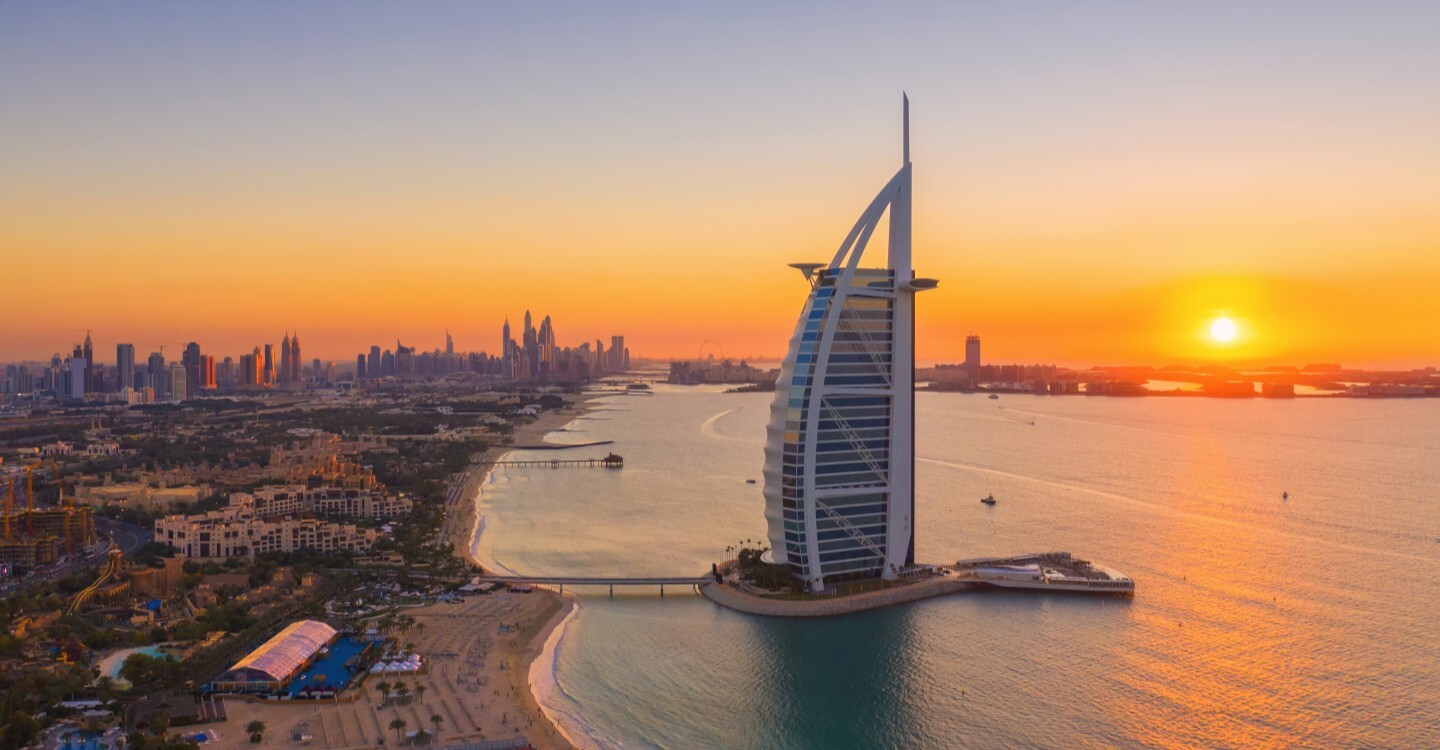
Light is the language of circadian design.
Our brains use light as their compass, blue-rich morning light triggers wakefulness and boosts serotonin, while warmer tones in the evening signal the release of melatonin to prepare for rest.
A circadian home, therefore, is not about illumination alone, but synchronisation. Through strategic window placement, adjustable colour temperature, and daylight-tracking systems, architects can mimic the sun’s natural choreography.
Example:
The Villa at Al Barari in Dubai, designed by Anarchitect, integrates tall north-facing glass façades that flood the living areas with diffuse daylight, bright but gentle, avoiding glare and heat gain.
As evening sets, layered lighting systems shift from cool white to golden hues, guiding the body towards rest naturally.
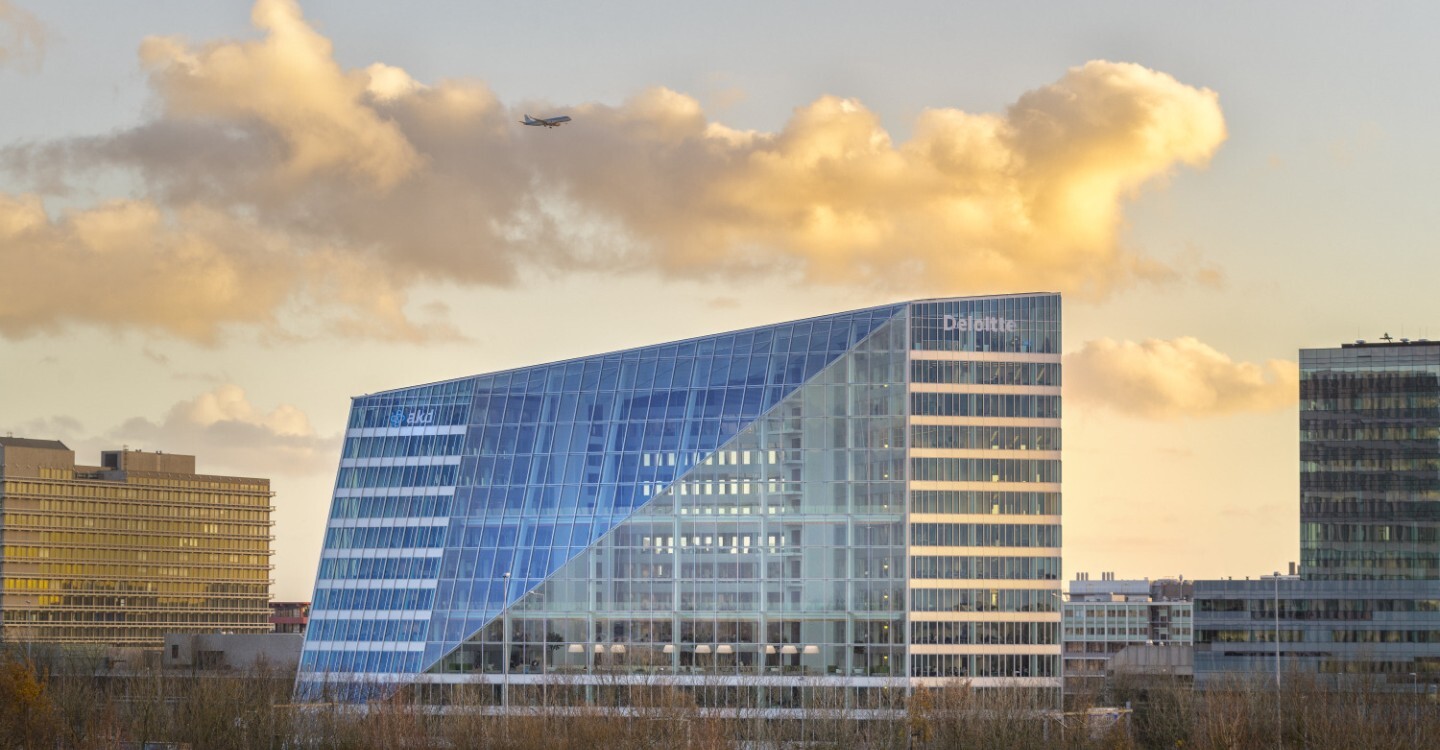
Globally, The Edge in Amsterdam, often called one of the smartest buildings in the world, uses circadian lighting technology that adjusts to time and weather conditions, showing how intelligent systems can emulate the dynamic of natural light even in dense urban environments.
Designing for Time, Not Just Space
Traditional architecture has long prioritised space, dimensions, layout, function.
Circadian architecture adds a fourth dimension: time.
Rooms are designed not just for what happens in them, but when. Morning-facing bedrooms harness sunrise hues to cue awakening.
Living rooms receive the soft western glow to extend sociability into the evening. Kitchens, often the home’s heart, are bathed in natural light to sustain energy during active hours.
In climates like the UAE, where direct sunlight can be both blessing and challenge, this balance becomes an art. Techniques like deep overhangs, perforated screens (mashrabiya), and reflective surfaces allow homes to benefit from daylight’s rhythm without succumbing to its heat.
It’s the modern interpretation of heritage wisdom, using design to harmonise with, not fight against, the sun.
Circadian architecture adds a fourth dimension: time.
Rooms are designed not just for what happens in them, but when. Morning-facing bedrooms harness sunrise hues to cue awakening.
Living rooms receive the soft western glow to extend sociability into the evening. Kitchens, often the home’s heart, are bathed in natural light to sustain energy during active hours.
In climates like the UAE, where direct sunlight can be both blessing and challenge, this balance becomes an art. Techniques like deep overhangs, perforated screens (mashrabiya), and reflective surfaces allow homes to benefit from daylight’s rhythm without succumbing to its heat.
It’s the modern interpretation of heritage wisdom, using design to harmonise with, not fight against, the sun.
Adaptive Intelligence at Home
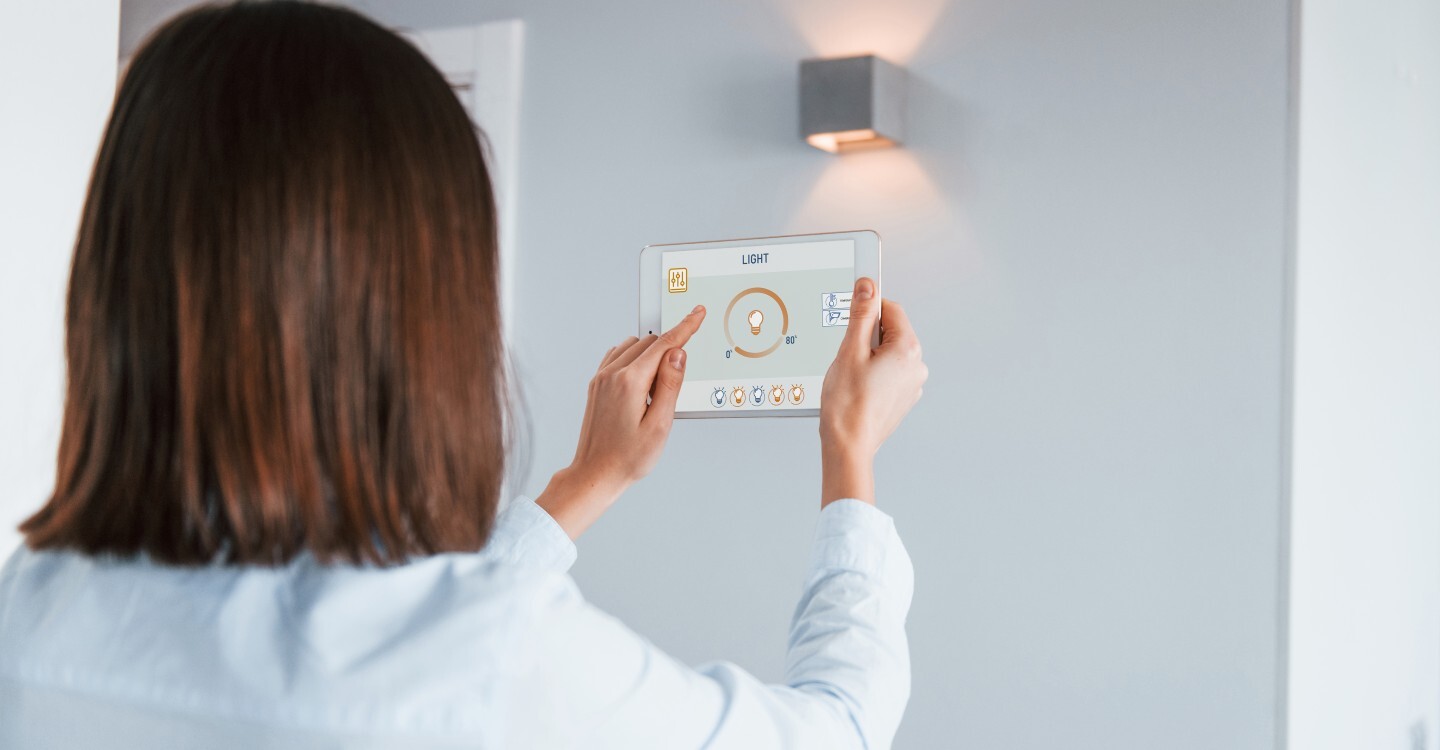
Today’s circadian homes are merging biophilia with technology, crafting environments that sense and respond.
Smart lighting systems such as Lutron’s Ketra or Philips Hue White Ambiance adjust automatically to mimic the solar cycle.
Smart glass, like View Dynamic Glass, tints dynamically through the day, reducing glare and aligning light exposure with human needs.
Imagine a home that wakes you gently as blinds rise to morning light, temperature adjusts to your body’s rhythm, and lighting tones shift subtly through the day, all without a single conscious command.
It’s wellness, engineered.
Smart lighting systems such as Lutron’s Ketra or Philips Hue White Ambiance adjust automatically to mimic the solar cycle.
Smart glass, like View Dynamic Glass, tints dynamically through the day, reducing glare and aligning light exposure with human needs.
Imagine a home that wakes you gently as blinds rise to morning light, temperature adjusts to your body’s rhythm, and lighting tones shift subtly through the day, all without a single conscious command.
It’s wellness, engineered.
Air, Colour, and Material, aka The Silent Synchronizers
While light takes centre stage, air and material play supporting roles. Good circadian design ensures airflow moves naturally and steadily, mimicking the gentle environmental variation our bodies subconsciously crave.
Colour becomes more than aesthetic: cooler tones enhance alertness, while earthy or amber shades promote relaxation. Meanwhile, natural materials like wood, stone, and clay surfaces introduce texture that grounds and connects inhabitants to the organic world, another key circadian anchor.
In Dubai, the interiors of The Sustainable City’s villas employ these principles subtly, open ventilation corridors, clay-based paints, and abundant greenery create a multisensory connection to nature that enhances psychological restoration.
Colour becomes more than aesthetic: cooler tones enhance alertness, while earthy or amber shades promote relaxation. Meanwhile, natural materials like wood, stone, and clay surfaces introduce texture that grounds and connects inhabitants to the organic world, another key circadian anchor.
In Dubai, the interiors of The Sustainable City’s villas employ these principles subtly, open ventilation corridors, clay-based paints, and abundant greenery create a multisensory connection to nature that enhances psychological restoration.
Biophilia and Circadian Synergy
Biophilic design, the human affinity for nature, forms the emotional counterpart to circadian design’s physiological side.
Together, they produce spaces that heal.
The rhythmic patterns of shadow through latticed screens, the sound of a water feature echoing a heartbeat, or the soft sway of indoor greenery, all stimulate the same neurological responses as time spent outdoors.
This is particularly vital in modern metropolises like Dubai, where high-rise living can distance residents from natural cycles.
Incorporating terraces, skylights, and even small interior gardens helps reintroduce temporal awareness, the sense of “where we are in the day”, often lost in artificial interiors.
Together, they produce spaces that heal.
The rhythmic patterns of shadow through latticed screens, the sound of a water feature echoing a heartbeat, or the soft sway of indoor greenery, all stimulate the same neurological responses as time spent outdoors.
This is particularly vital in modern metropolises like Dubai, where high-rise living can distance residents from natural cycles.
Incorporating terraces, skylights, and even small interior gardens helps reintroduce temporal awareness, the sense of “where we are in the day”, often lost in artificial interiors.
Aesthetic with Purpose
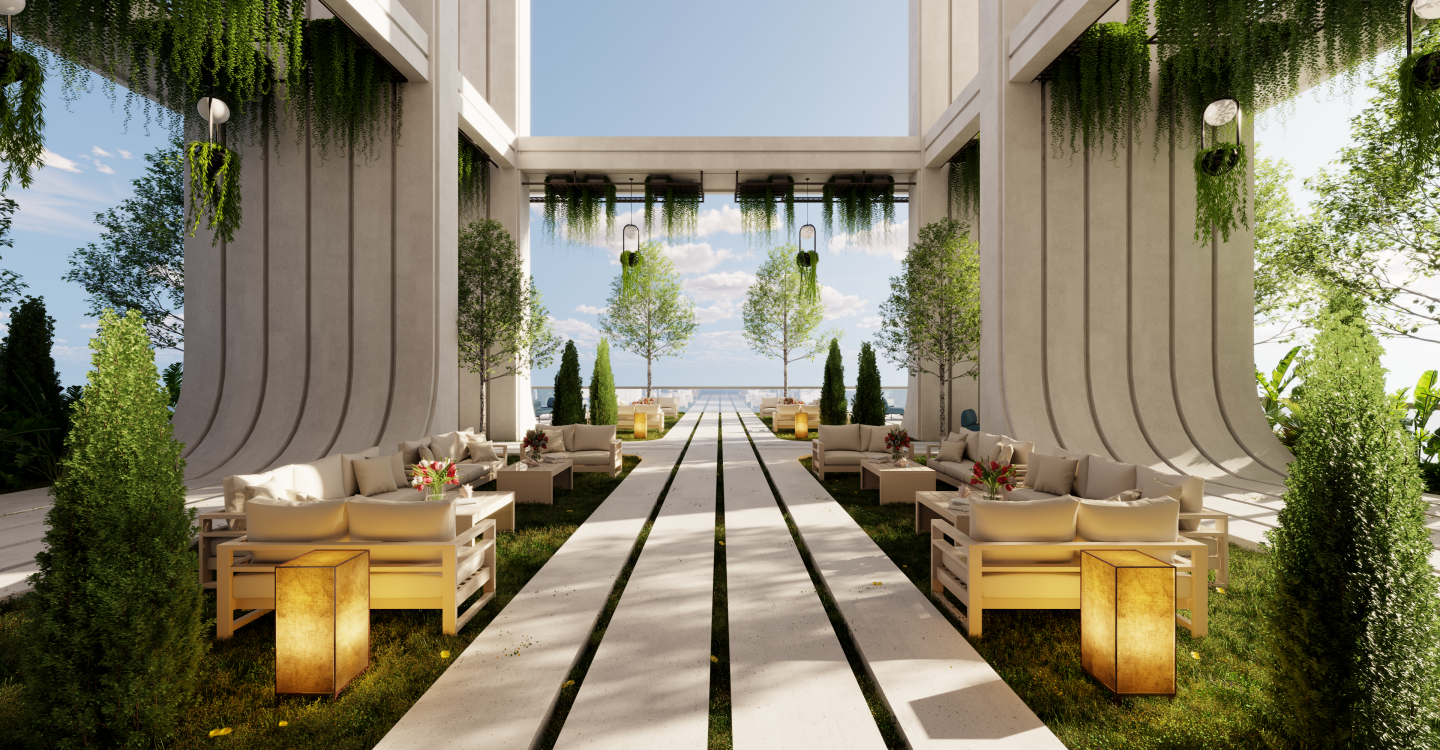
Circadian design does not impose a single visual style. Whether minimalist, Mediterranean, or ultra-contemporary, the principle remains the same: design that feels alive.
The palette may shift, but intention is constant, each space supports energy during daylight hours and serenity when night arrives. Architecture, here, becomes a silent partner in well-being.
In this sense, circadian homes redefine luxury: it’s not about excess, but alignment. The ultimate privilege is not marble or technology, it’s time that flows with you, not against you.
The palette may shift, but intention is constant, each space supports energy during daylight hours and serenity when night arrives. Architecture, here, becomes a silent partner in well-being.
In this sense, circadian homes redefine luxury: it’s not about excess, but alignment. The ultimate privilege is not marble or technology, it’s time that flows with you, not against you.
Dubai: A Canvas for Future Rhythms
The UAE’s architectural evolution makes it a perfect testing ground for circadian principles. Developers are already integrating daylight-optimised façades, smart glass, and wellness-oriented planning into their projects.
With urban density on the rise, the next wave of luxury is not square footage, it’s circadian intelligence.
Homes that know when to open to the world and when to cocoon, when to energise and when to calm.
The future of living in Dubai will be defined not only by skyline aesthetics but by how harmoniously a home beats with its residents’ internal clocks.
Beyond Architecture: A Lifestyle Philosophy
Circadian design is not a trend; it’s a return to instinct. It redefines comfort as something biological, not decorative. It demands that architecture listen, to biology, to sunlight, to time itself.
In doing so, it bridges the oldest rhythm known to humankind, the rising and setting of the sun, with the newest frontier of innovation.
Homes that breathe, respond, and flow with life itself: this is not just design for how we live today, but how we thrive tomorrow.
In the end, circadian homes remind us of a simple truth: When we live in rhythm with nature, design stops being shelter, and becomes symphony.
With urban density on the rise, the next wave of luxury is not square footage, it’s circadian intelligence.
Homes that know when to open to the world and when to cocoon, when to energise and when to calm.
The future of living in Dubai will be defined not only by skyline aesthetics but by how harmoniously a home beats with its residents’ internal clocks.
Beyond Architecture: A Lifestyle Philosophy
Circadian design is not a trend; it’s a return to instinct. It redefines comfort as something biological, not decorative. It demands that architecture listen, to biology, to sunlight, to time itself.
In doing so, it bridges the oldest rhythm known to humankind, the rising and setting of the sun, with the newest frontier of innovation.
Homes that breathe, respond, and flow with life itself: this is not just design for how we live today, but how we thrive tomorrow.
In the end, circadian homes remind us of a simple truth: When we live in rhythm with nature, design stops being shelter, and becomes symphony.